The New Definition of Brand Trust : Volatile and Viral
Apr 10, 2026
433% in just 48 hours.
That’s how much Alix Earle boosted sales for Naked Sundays BeautyScreen SPF50 Peptide Foundation tint with just one post in 2025.
Back in the day, numbers like that would take months of planning and a big ad budget. Now, all it takes is one video from the right person with the right following. If this product is in someone’s makeup bag, there’s a very high chance it’s not because they read up on Naked Sundays’ brand values.
It’s because they trust Alix Earle’s opinion.
The reason: people are now trusting influencers more than brands.
The OG Definition of Brand Trust
Brand trust typically meant that people believed a brand would deliver on its promises. Brands would spend a great deal of time and money to make every aspect of the brand perfectly aligned, hoping consumers would notice, think about it, and keep coming back for more.
The more people saw, bought, and were satisfied with the products, the more they trusted the brand.
But in the era of shortened attention spans and an overwhelming number of advertisements, brand trust has naturally morphed into consumer loyalty toward the influencer.
Brand Trust in the Era of the Influencer
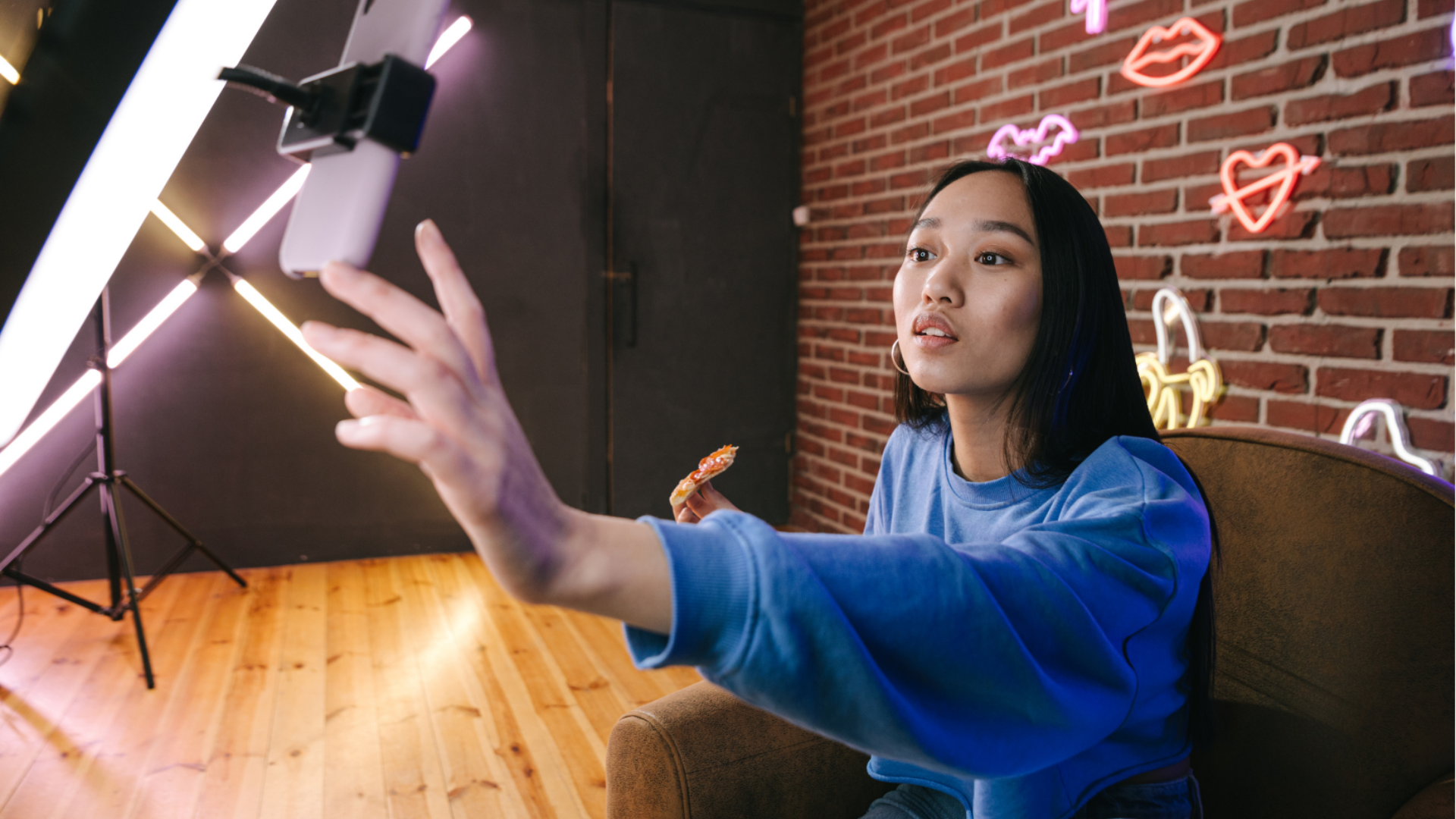
Brand trust is no longer built by brands; it’s borrowed from people. The definition of brand trust has shifted from the confidence in a brand’s ability to deliver a high-value product to a strong sense of loyalty to an influencer and the brands they use.
Influencers allow consumers to bypass the consideration step in the marketing funnel because, in their eyes, the influencer has already done that for them.
They can simply hit “add to cart” without researching or inspecting the brand, because the influencer’s review is what really matters. The perfected brand image is no match for the opinion of a consumer’s favorite influencer.
What Changed?
This shift didn’t happen overnight, and it’s still evolving as consumers continue to discover and purchase products. Social media platforms like TikTok and Instagram have completely replaced traditional advertising channels, putting the power in the consumers’ hands…literally.
With constant exposure to ads everywhere, it’s no wonder people have trust issues with brands. Influencers feel more like friends sharing real opinions, showing their authentic selves, and actually using the products they talk about. People didn’t stop trusting brands; they simply found someone more real and relatable to listen to.
Speed: The New Metric of Brand Trust
One of the biggest factors driving this shift in modern marketing is speed.
Traditionally, brand trust is measured over time through repeat purchases and clear long-term loyalty to the brand. When looking at the new definition of brand trust, trust can be observed almost instantly by tracing rapid spikes in sales to influencer recommendations through engagement rates and consumer conversations in the comment section.
This data suggests that consumers are making purchasing decisions with rapid deliberation, making the speed at which a consumer moves from exposure to purchase a powerful indicator of trust.
The Illusion of Authenticity
One of the distinctive things about influencer content is how real it feels, whether it’s a paid partnership or not. But the truth is, a lot of influencer content is all part of a brand’s campaigns. Brands pick creators, plan timing, and craft the overall message to drive results.
But the way it’s delivered changes everything. When a creator shares a product as part of their daily routine, it feels real and not like a curated ad. People know these are partnerships, but the casual approach makes it easy to forget.
This is what’s known as the authenticity paradox. The content is planned, but it doesn’t feel planned. The recommendation is strategic, but it doesn’t feel fake.
Most importantly, the trust feels personal, even though it’s happening on a huge scale. Brands have to be careful here; if the content feels too perfect or too controlled, it loses the magic that makes it work. Sometimes, how real something feels matters more than whether it actually is.
What Does the New Definition of Brand Trust Mean for Brands?
Now, brands have to team up with individuals who can get their products in front of the right people, instead of collaborating with other brands or businesses.
This comes with new risks, like worrying about reputation, getting their money’s worth, and how quickly opinions can change online.
Since the definition of brand trust now revolves around influencer impact, it’s extremely important for companies to build genuine connections with creators to earn consumer trust.

With Higher Rewards Come Higher Risks
But let’s be real, the influencer era is risky for brands.
Trust is tied to an individual human being, not the brand, so things can become unpredictable fast.
Trends change faster than an ex moves on, and influencers switch up their favorites all the time, bringing their followers with them. Even scarier, if an influencer’s reputation takes a hit, the products they talk about are at risk to take the hit too.
Plus, while influencers can drive first-time buys, they don’t guarantee people will stick around. When trust is borrowed instead of built, it can disappear just as quickly as it appeared.
Can Brands Still Build Their Own Trust?
After reading all this, it might seem like brands have lost control and no longer matter when it comes to brand trust. But that’s not entirely true.
Influencers can get people to notice and buy, but it’s still up to the brand to deliver. If the product isn’t great, people won’t come back and the brand trust potential is destroyed. Real brand trust comes from happy customers who buy again and again because the brand actually delivers what it promises.
Final Thoughts : The New Era of Brand Trust
At the end of the day, brand trust hasn’t disappeared, just changed.
Brands can’t build trust on their own anymore. Now, trust is passed along by people we actually believe. In a world where everything moves fast, and people want realness, credibility isn’t about being the biggest or the fanciest. It’s about being authentic and consistent.
For brands, this means figuring out which trusted voices best align with their values and how quickly that trust can turn into action.
Brand trust is still powerful, but it’s also more fragile than ever.
🪽 Written by Savannah Rae Marshall
join 40k marketing girlies
private Marketing Girly LinkedIn Group
A private community where young women in marketing network, collaborate, and support each other.
the weekly edit
get marketing jobs in your inbox
Join the Sky Society Weekly Edit for marketing jobs delivered straight to your inbox.
We hate SPAM. We will never sell your information, for any reason.