The Best Music Branding Strategies Behind Bad Bunny Success
Apr 10, 2026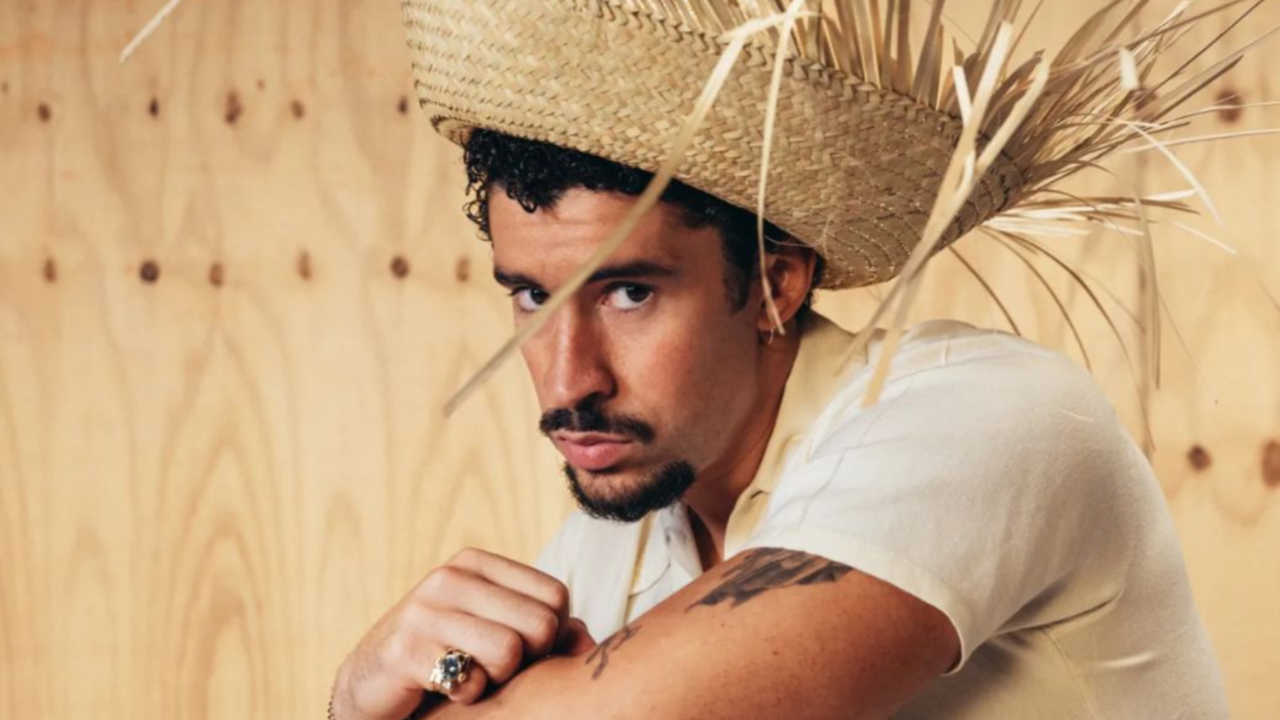
In today’s music industry, success isn't just about having a hit song; it's about building a brand.
While many artists rely on viral moments and controversy to stay relevant, one artist has completely redefined what it means to turn music into a global marketing brand.
Born Benito Antonio Martinez Ocasio, better known to the world as Bad Bunny, he is not only a musician but also a marketing genius who understands the power of music branding strategies. In today's era, artists are no longer just performers; they are brands.
Through various marketing tactics, including authenticity, fan engagement, cultural storytelling, and viral moments. Bad Bunny has created one of the most powerful global brands in the history of contemporary music.
Not Your Average Superstar
From the beginning of his career, Bad Bunny stood out as an artist who refused to conform to industry norms. With his bold style, street swag, and unapologetic personality, he quickly proved he was not meant to fit into the traditional mold of what a Latin artist should be.
Even when faced with criticism, he stayed loyal to his language, his culture, and his identity. This decision became one of Bad Bunny's most effective music branding strategies, building a brand rooted in authenticity rather than perfection.
He doesn’t follow trends; he is the trendsetter himself.
One example of this is his approach to fashion. Over the years, Bad Bunny has challenged toxic masculinity and gender norms by mixing masculinity and femininity in both his everyday style and red carpet looks.
His 2023 Met Gala look featured an open back jacket with a cape covered in roses, paired with a slick back updo and some beautiful pearl studs. The internet exploded. Some people loved it, while others criticized it, but that was the point.
In marketing, controversy brings attention, which then sparks conversation and fuels brand awareness. Just like his taste in fashion, Bad Bunny's music also reflects carefully curated branding. Every album he has released carries its own identity and theme.
From his X 100PRE to Debi Tirar Mas Fotos, every project has one thing in common: they are Iconic.
This level of intentional branding demonstrates how effective music branding strategies are at keeping audiences excited and engaged by consistently offering something fresh and new. Music alone doesn't create a global superstar; branding does.
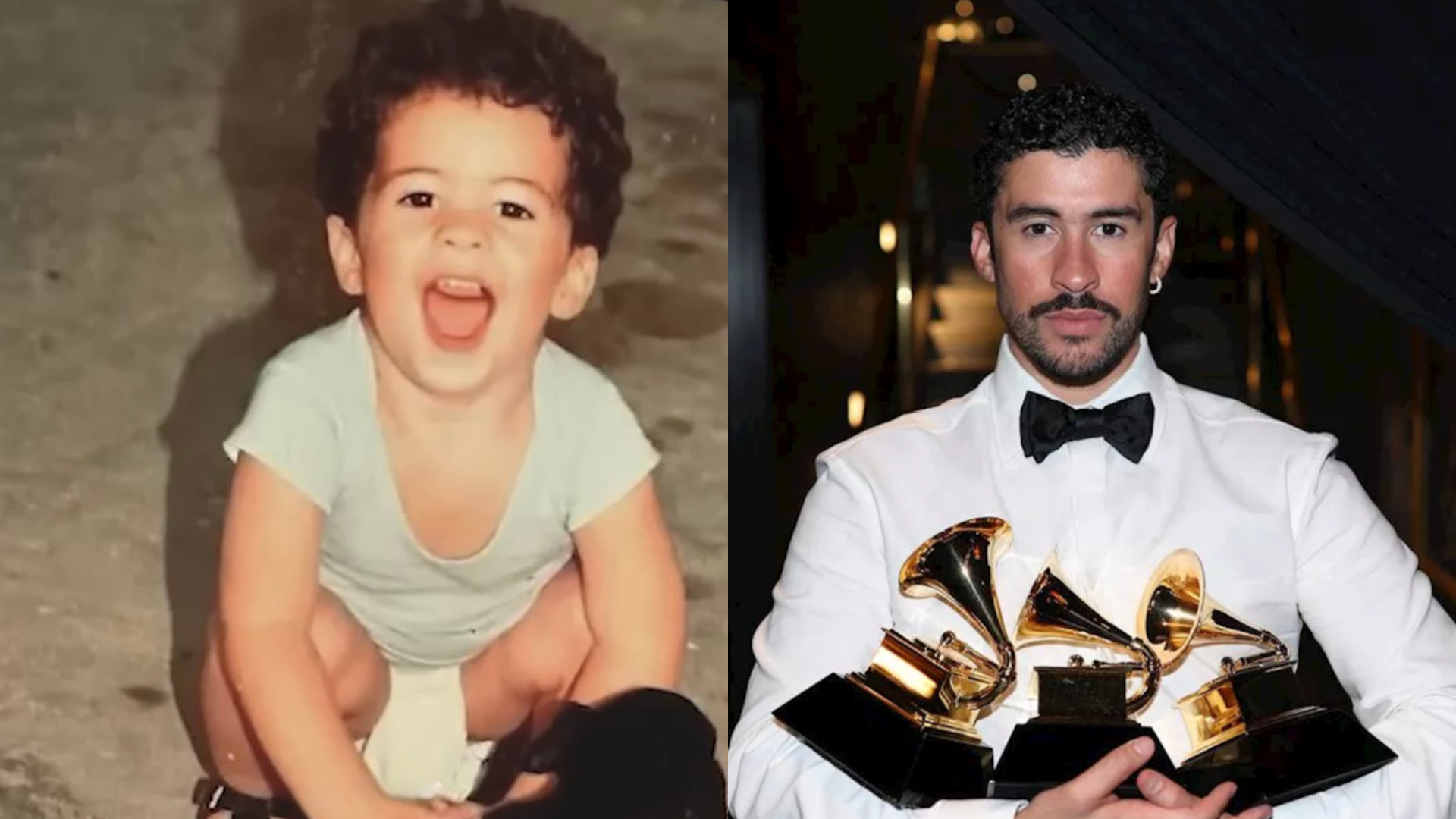
It is passion, authenticity, cultural pride, and knowing exactly who you are that build a brand. And Bad Bunny knew who he was from a very early age.
How Bad Bunny Uses FOMO in Music Marketing
Everyone shares one common fear, and that is FOMO, or fear of missing out. Bad Bunny has mastered the art of turning that fear into a powerful marketing advantage. He is known for his short notice projects and album releases.
This strategy creates massive excitement online and immediately drives engagement.
It's human nature to want what feels limited or uncertain, which is why fans rush to social media to search, share, and speculate. This tactic, known as scarcity marketing, has become one of Bad Bunny's most effective music branding strategies.
Another tactic Bad Bunny uses is incorporating Easter Eggs into his projects. In celebration of his most recent album Debi Tirar Mas Fotos, Bad Bunny posted the track names on Spotify using GPS coordinates.
Fans across Puerto Rico and even online began searching the island to find the locations connected to each song. Fans took these hints to social media, where they worked together to decode what the album might reveal.
This created organic buzz before the album was officially released.
Soon after, fans around the world joined the viral DTMF trend on TikTok and Instagram. People began posting nostalgic photos of meaningful moments with family, friends, and relationships.
The trend reflected the emotional themes of the album, which are nostalgia, regret, and appreciation.
Since people are more likely to trust recommendations from others than from advertisements, Bad Bunny uses this to his advantage, letting his audience do the marketing for him. Instead of relying on traditional ads, his fans naturally promote his music through posts, trends, and word of mouth.
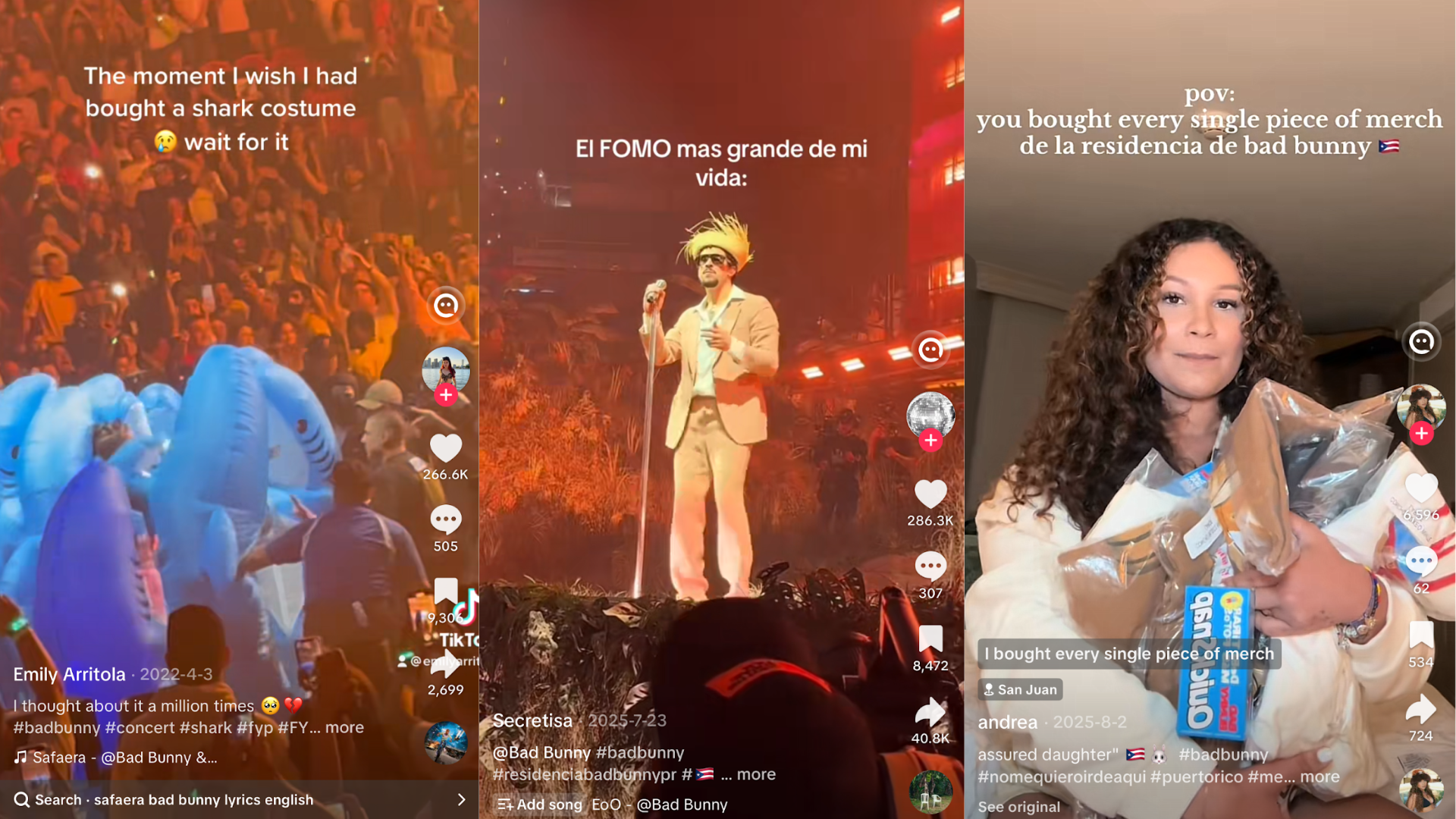
A perfect example of this strategy was his Puerto Rico residency. He believed that launching a project that is local to his cause, like Puerto Rico will help increase engagement and ensure that his loyal fans get a first glimpse of what is to come.
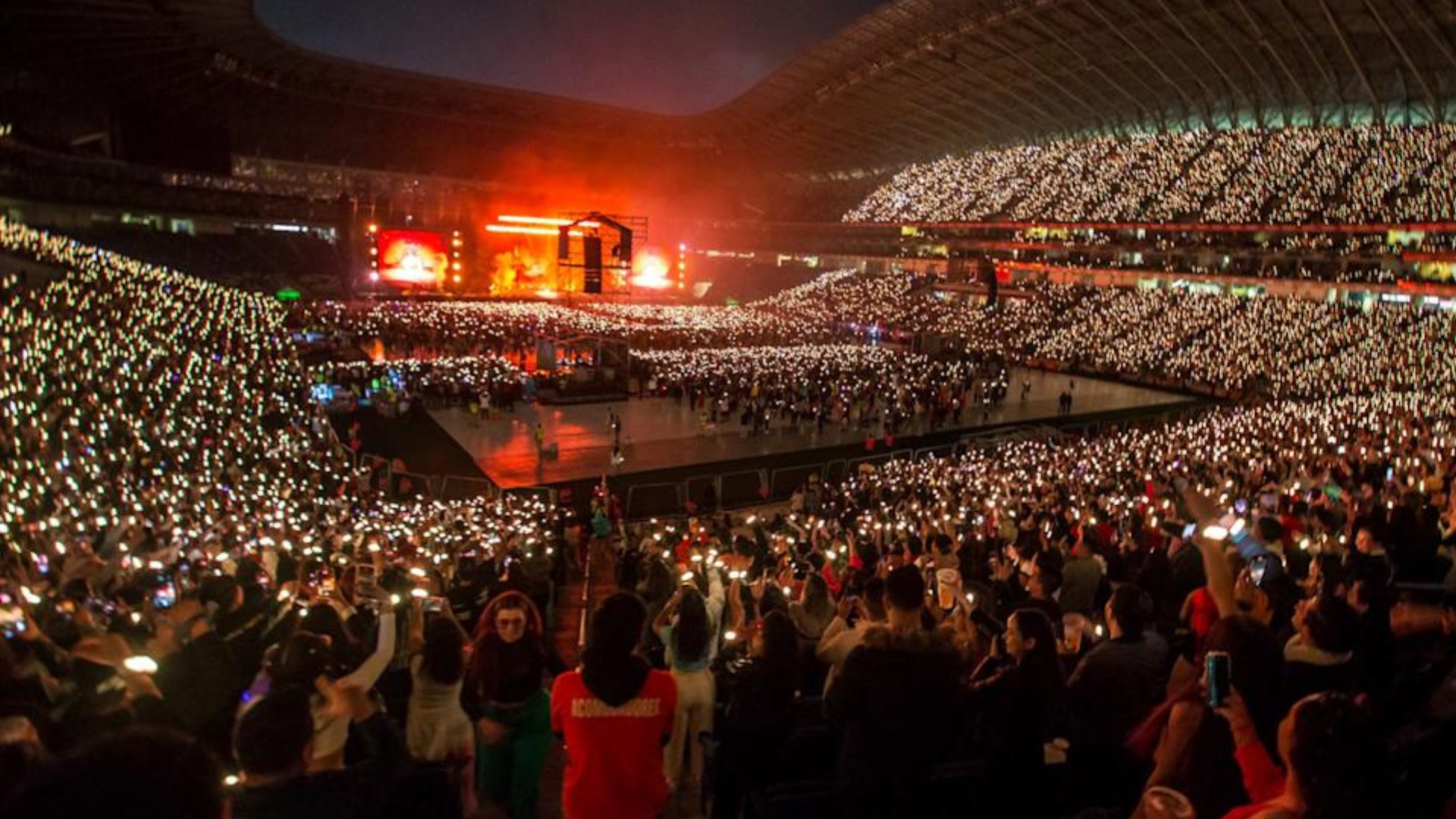
Loyal fans attended his shows first, then shared their experiences online, generating organic buzz across all social media platforms. The results? Thirty one sold out shows that generated over $400 million in economic impact. That right there is the power of FOMO and fan driven marketing.

Seguimos Aqui : How Cultural Storytelling Shaped Bad Bunny’s Music Branding
In addition to FOMO driven marketing, cultural storytelling plays a major role in his brand identity and his deep connection to his culture. His pride in Puerto Rican culture plays a key role in his music branding strategies.
Instead of overpromoting his music with endless ads, Bad Bunny focuses on storytelling. His latest album, Debi Tirar Mas Fotos, connects fans emotionally by reflecting real Latino experiences, memories, and history.
Many of his listeners hear his music and immediately think, “I relate to this”. These topics are shown in the short film released alongside his album. This short film highlights social, economic, and cultural challenges currently affecting his motherland, Puerto Rico.
The story follows an elderly man experiencing the effects of gentrification, local businesses changing, and how his community is slowly transforming due to tourism. Through this story, Bad Bunny's message comes through “Seguimos Aqui," meaning “We are still here”.
Despite the changes happening around them, Puerto Rican culture remains strong. This storytelling is another example of powerful music branding strategies, proving that culture and authenticity can create a deeper emotional connection with audiences than any traditional marketing ad ever could.
Benito emphasizes his efforts to unify people. His Apple Music Super Bowl commercial highlighted people from different cultures, races, and backgrounds coming together through music and dance.
His song “Baile Inolvidable” even made history, reaching #1 on Apple Music in the United States, becoming the first salsa song to ever get that recognition on the streaming platform.
His love for his culture and his people also appears through activism. At the Grammy Awards, Bad Bunny used his platform to speak out against a sensitive yet important issue affecting the Latino community. Moments like these show that his brand is not just about his music but about who he is as a person, his values, and what he stands for.
When the Whole World Was Watching…
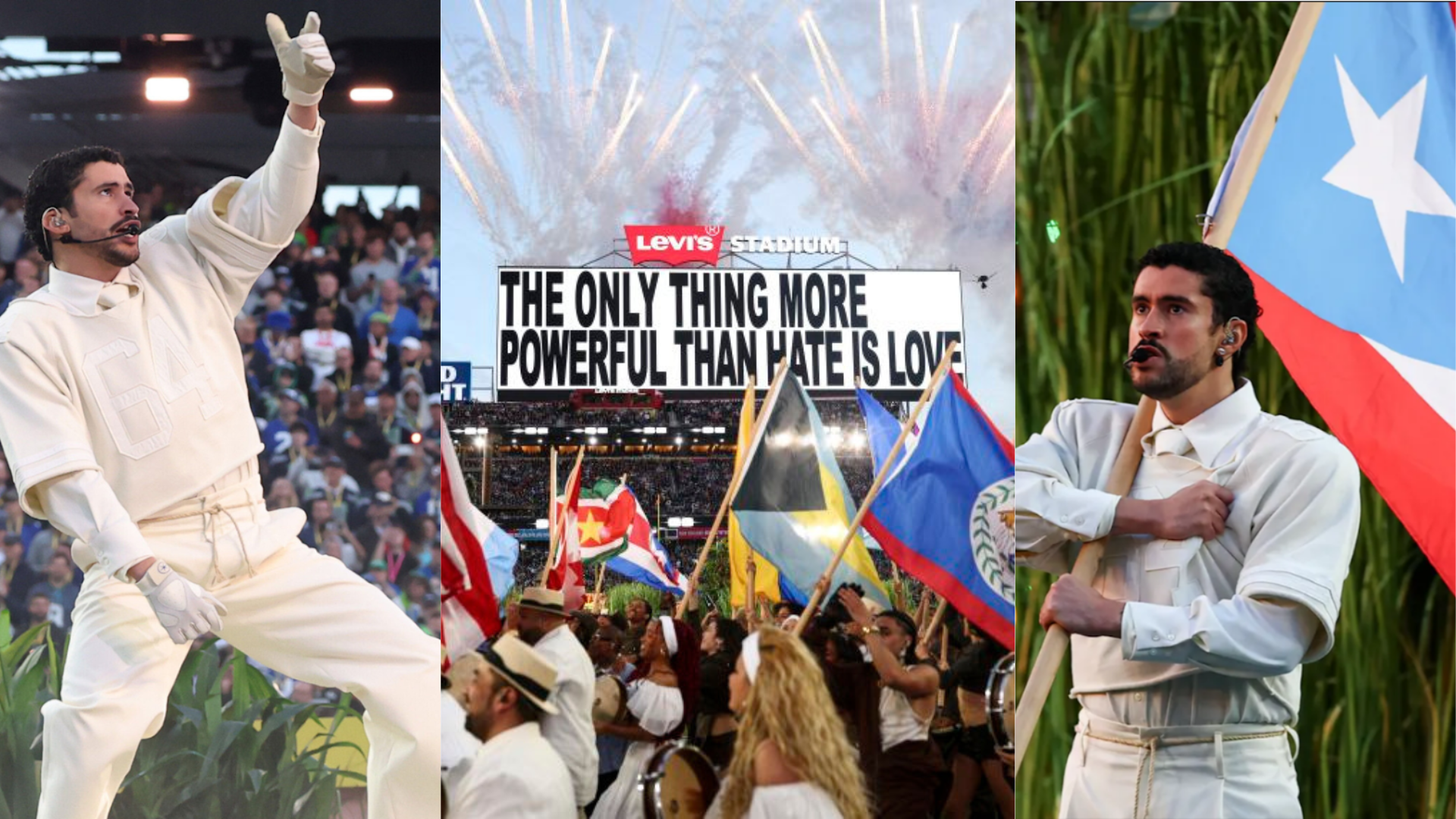
The anticipation for Bad Bunny's United States visit didn't last long. Months later, he was announced as the headlining performer for one of the most watched events in the U.S, the Super Bowl Halftime Show.
Within just 24 hours after his performance, he generated over 4.1 billion views worldwide, making it one of the most watched Super Bowl halftime shows to date. This performance was more than just entertainment; it was a cultural moment.
One of the biggest stages in the world, Bad Bunny showcased the music branding strategies that helped build his global success: authenticity, storytelling, cultural pride, and relatability. He proved that the most powerful marketing strategy is to be unapologetically yourself.
One moment that stood out was when he handed his Grammy award to his younger self. The message was clear yet powerful: any kid with a dream can achieve greatness, no matter their background.
Moments like these create emotional connections with viewers and reinforce a brand built on inspiration and authenticity.
Throughout his performance, Bad Bunny included nostalgic Latino moments instantly recognizable by millions, such as a scene showcasing a child sleeping across two chairs, a memory many Latinos remember seeing at family gatherings and celebrations. These little clips made his performance feel relatable to millions of viewers.
He also used this platform to bring attention to Latino owned small businesses, such as a real taco stand from Los Angeles called “Villas Tacos”.
Little moments like these highlight one of Bad Bunny's music branding strategies, using his platform to uplift his community and share his Latino pride with the world. His performance even featured one of his most powerful messages displayed on the stadium screen, “The only thing more powerful than hate is love”.
Through his music, advocacy, and storytelling, Bad Bunny transformed the halftime show into a meaningful statement about culture, identity, and celebration.
Marketing Branding Strategies Artists & Brands Should Take Notes On
User generated content (UGC) is booming in today's world, especially with the rise of micro influencers. However, audiences are slowly growing tired of constant paid promotions and sponsored ads.
Artists and brands can learn from these music branding strategies by focusing on organic engagement rather than relying solely on advertising.
One of the most effective ways artists and brands can apply this is through authenticity, something that makes their brand or themselves stand out.
Authenticity pays off over time, allowing audiences to relate to the content and emotionally connect in an era where most of the media feels bland or detached from reality, especially with the rise of AI.
Bad Bunny has proven to be authentically himself over time by staying true to identity, building a brand that people can trust and emotionally connect with.
During his halftime show, Bad Bunny wore a simple outfit from Zara, a brand that many can afford and is seen as attainable. Instead of creating distance between himself and his viewers, he made them feel like they could achieve his vibe and style.
Artists and brands should focus on relatability because people are naturally drawn to things they can relate to. That is why audiences often buy products promoted by influencers they see or want to see themselves in the person promoting it.
In a world where everyone is trying to fit into trends or follow social norms, Bad Bunny has consistently done the opposite. He built a legacy by having a clear brand, embracing his culture, and challenging toxic gender expectations.
That is a marketing strategy that lasts, one that is wholesome and authentic. These music branding strategies show that success comes from building real connections, not just gaining attention. When people see themselves in an artist or brand, they don’t just watch or listen; they become part of a community and a loyal fan base.
The larger the community grows, the stronger and more successful the brand becomes. At the end of the day, people connect with people, not perfection.
🪽 Written by Jennifer Sazo Aquino
join 40k marketing girlies
private Marketing Girly LinkedIn Group
A private community where young women in marketing network, collaborate, and support each other.
the weekly edit
get marketing jobs in your inbox
Join the Sky Society Weekly Edit for marketing jobs delivered straight to your inbox.
We hate SPAM. We will never sell your information, for any reason.