The Celebrity Women Behind Today’s Most Powerful Beauty Brands
Apr 10, 2026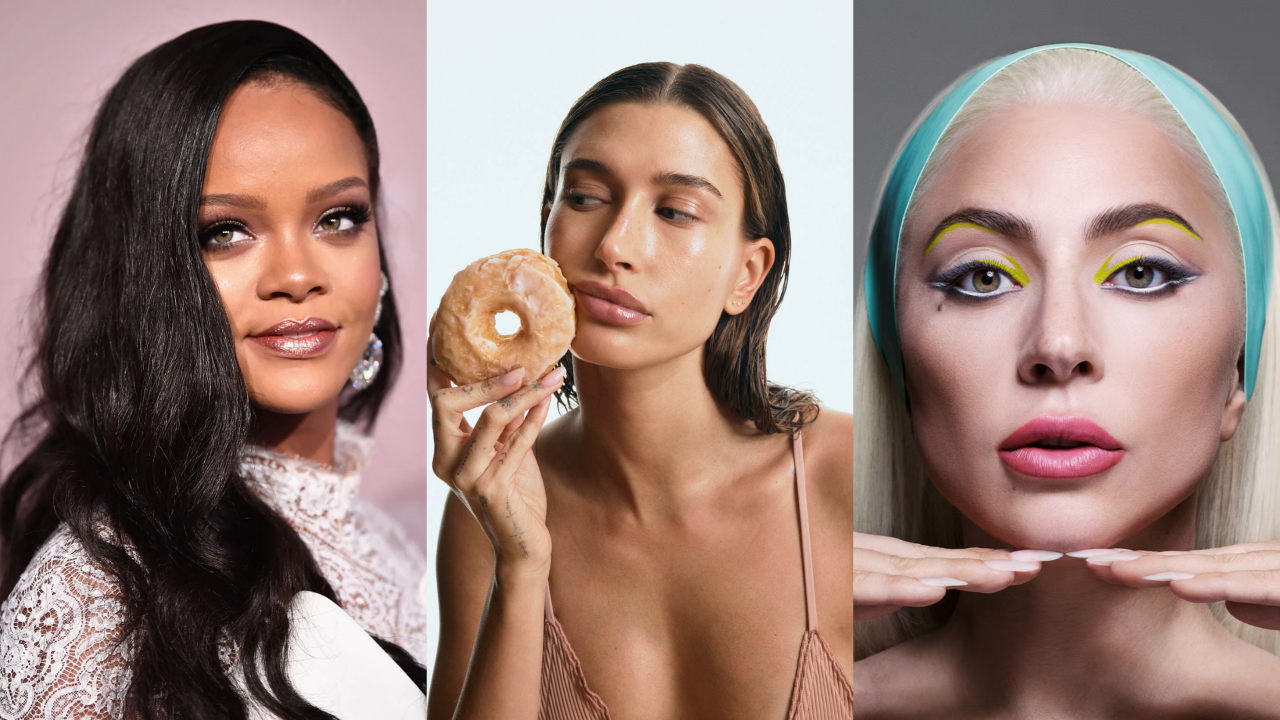
Celebrity brands have existed for basically as long as celebrities have. The first widely adopted celebrity brand came from an opera singer in the mid-19th century named Jenny Lind.
Celebrity beauty brands started to take off in the 1990s and 2000s, when supermodel Iman Abdulmajid launched Iman Cosmetics in 1994.
Today there are endless celebrity beauty brands and beauty entrepreneurs. Some fail. Some become completely revolutionary.
Three brands stand out above the rest. Fenty Beauty, Haus Labs, and Rhode are the celebrity beauty brands that are so impactful that beauty entrepreneurship has never looked the same.
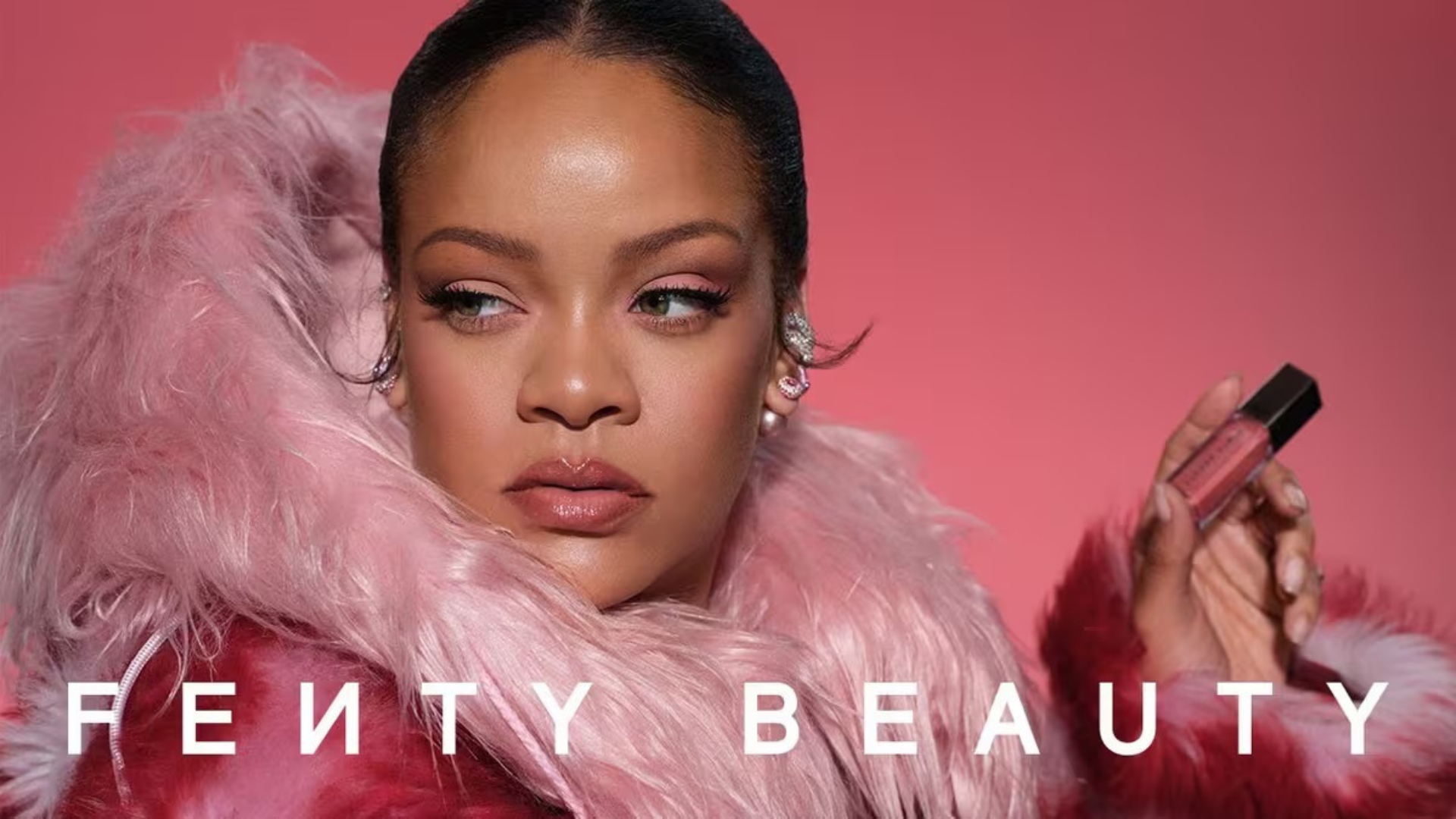
Fenty Beauty : The Brand That Set the Standard
For decades the standard amount of shades a brand would launch with was 10-20 shades that regularly ignored women with darker complexions. Fenty Beauty by Rhianna launched in 2017, what made it so special was that Rihanna launched with over 40 foundation shades.
This was completely revolutionary at the time and showed because Fenty Beauty made $72 million dollars in their first month.
This pressured traditional beauty brands to catch up. This was then dubbed the ‘Fenty effect’. In 2018 when Tarte launched a new line with only 15 shades they were met with immediate backlash for not being diverse enough.
Today Fenty has over 50 different shades and is still one of the most successful celebrity beauty brands and in 2017 Fenty Beauty was named one of the best inventions of 2017 by Time Magazine and it has been a continuous masterclass in beauty entrepreneurship ever since.
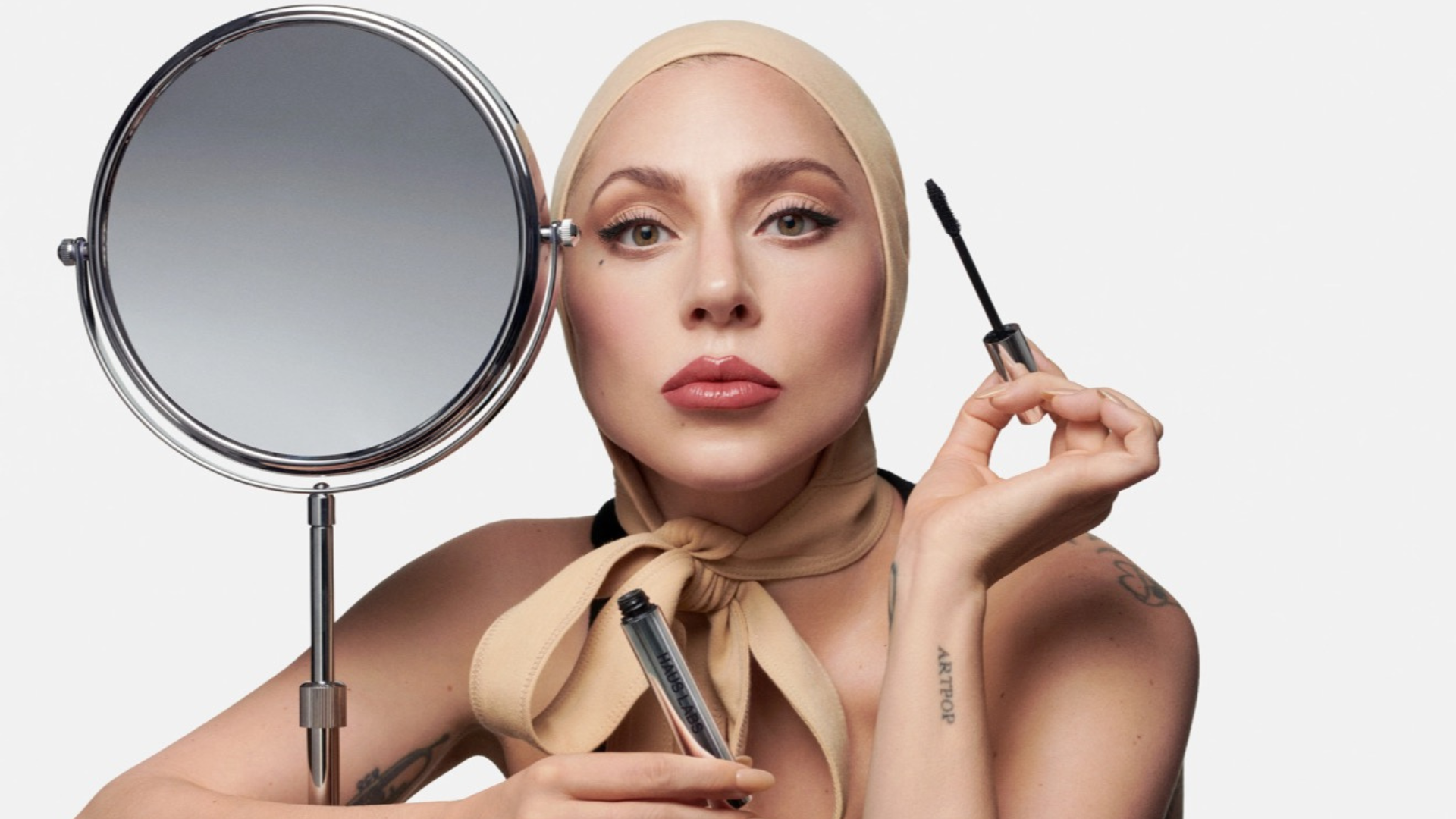
Haus Labs : Why the Rebrand Was Worth It
Haus Labs launched in 2019 as an Amazon exclusive brand. It was founded by Lady Gaga. The brand came across as unfocused, completely different from Rihanna’s Fenty in 2017 and unfortunately by 2021 the brand was bringing in just $20 million a year.
Then in 2022, Haus Labs completely rebranded. Lady Gaga is still in the marketing but less so she now lets the products speak for themselves.
The team removed over 2,700 ingredients from their formulas, and replaced them with gentler skincare alternatives like hyaluronic acid and vegan collagen. They switched retail partners, moving from Amazon to Sephora bringing them from a brand that was a drug store adjacent to something higher end.
They redesigned the packaging, updated the brand name from Haus Laboratories to Haus Labs, and built a new story around clean artistry powered by science.
Haus labs is now extremely successful proving that just because it didn’t work the first time doesn’t mean that it can’t be successful.
Their Triclone Skin Tech Foundation which launched with 51 shades went viral on TikTok, racking up over 10 billion views. Industry analysts estimated the brand hit between $75 and $100 million in global revenue by 2023, up from $20 million just two years earlier.
The CEO Ben Jones has said that Haus Labs was always meant to stand on its own: “We tried to build this always as a brand that could stand alone.” Gaga is not just a face. She is the creative mind driving product development, and she wears her own products onstage at concerts which is arguably the toughest performance test any makeup could face.
For any aspiring beauty entrepreneur, the lesson is clear: early failure is not the end and the brands that are willing to listen, adapt, and rebuild are the ones that will last.
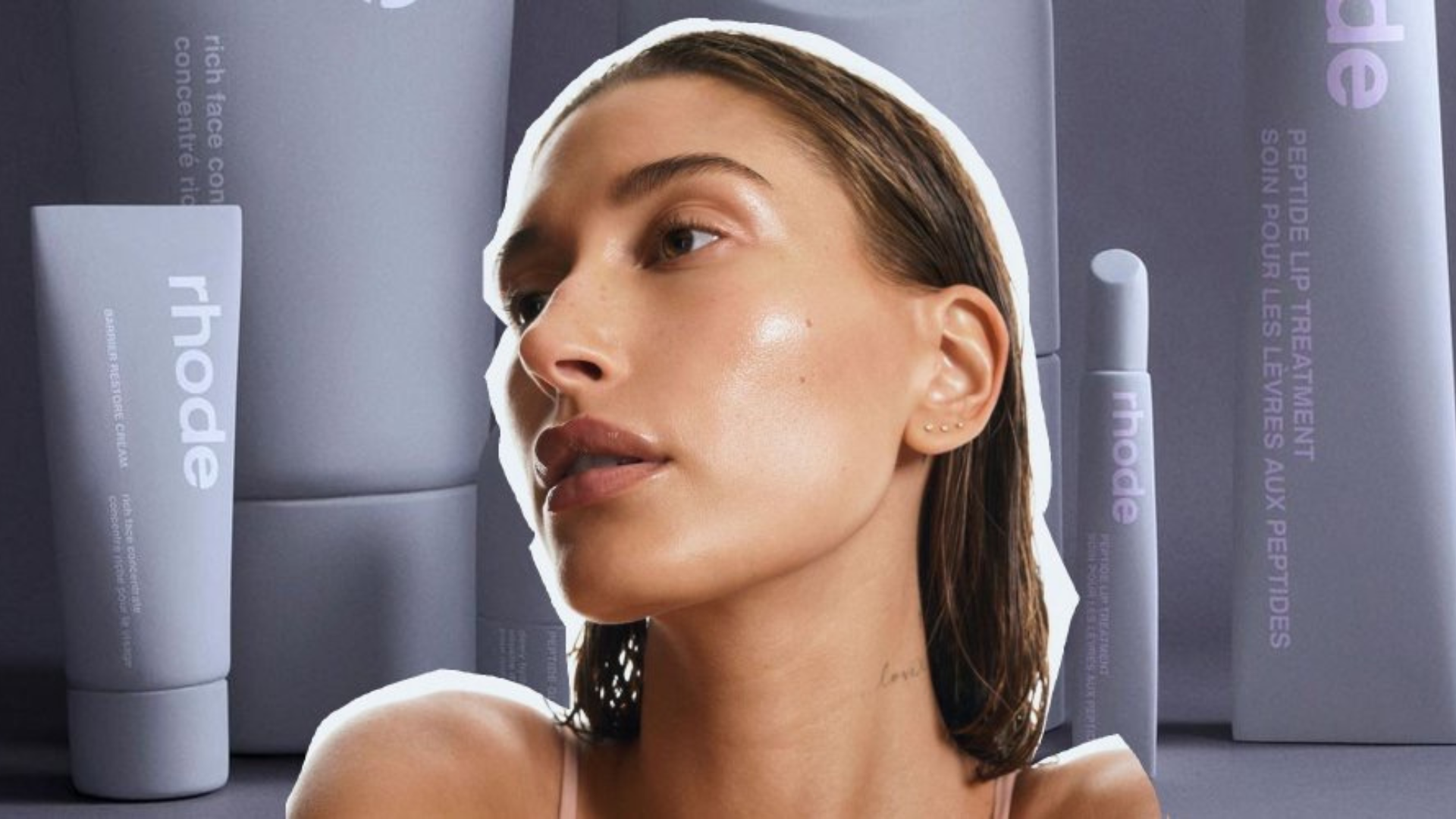
Rhode : How Hailey Bieber Built a Billion Dollar Brand
Rhode by Hailey Bieber is a very young brand only launching in 2022. Hailey Bieber has been known for years.
She started as a model and then became most known for her clean girl aesthetic that started in 2022 with her glazed doughnut nails at the 2022 Met Gala and just a few months later Rhode launched their direct to consumer website in June of 2022.
What made Rhode different from other celebrity launches was its strategy. Bieber did not just put her name on a product and step back.
She remained deeply involved as chief creative officer and head of innovation. She has attended every major retail launch in person. When the brand wanted to build on their extremely successful peptide lip treatment Bieber focused on the one thing she felt was missing: a lip plumper that did not burn or feel uncomfortable.
By being so deeply involved in Rhode every step of the way Bieber is redefining celebrity beauty entrepreneurship.
Rhode has become known for pop-ups that feel unique to the time and place where they are. A ski-resort pop-up in Big Sky, Montana earlier this year, promoted their winter skincare products with mint-green snowmobiles and cozy hot drinks.
When Rhode launched in Sephora UK there were cabs all around London with the Rhode logo on them. In these cabs customers were allowed to try out Rhode products in their own little mobile beauty studio.
In May 2025 (less than 3 years from when it launched), Rhode was acquired by e.l.f Beauty for $1 billion and it landed in Sephora stores just a few months later.
Since then, it has grown to become the top-selling brand at Sephora in North America beating out brands with decades more history. e.l.f Beauty projects Rhode will bring in between $260 and $265 million in net sales in fiscal 2026.
Rhode also broke new ground by simultaneously launching DTC (Direct to Consumer) and in-store in Australia at Mecca, something the brand had never done before in a single market. Bieber called it a major learning moment.
Both channels succeeded. The thing to takeaway: consumers want options, and brands do not have to choose between online and physical retail.
What These 3 Brands Have in Common
These are three very different founders with three very different products. But the celebrity beauty brands that changed the industry all share a few things.
First, each brand was built around a real gap, not just a famous face. Fenty saw the shade problem. Haus Labs saw the clean-formula problem. Rhode saw the clinical-but-cold skincare problem and wanted warmth, simplicity, and fun.
Second, each founder stayed involved. Rihanna, Lady Gaga, and Hailey Bieber all remained active in product development and brand direction, not just plastering their face on ads or social media. They were not silent partners collecting royalties. They were building something they actually believed in.
Third, each brand used social media not just to sell, but to connect. Fenty hosted YouTube tutorials with Rihanna herself. Haus Labs partnered with over 1,700 creators in a single year. Rhode made viral moments out of pop-up experiences that fans wanted to be part of.
How the Industry Is Changing for Beauty Entrepreneurs
The industry is now harder, because consumers now expect more. More shades. Cleaner ingredients. Authentic founder involvement. Real stories. Brands that stand for something beyond the product.
However it is also better, because the playbook is now visible for young beauty entrepreneurs. Gap-finding. Inclusive formulas. Experiential marketing. DTC plus physical retail. Social storytelling. These are no longer secrets. They are proven strategies that smaller brands can learn from and adapt.
🪽 Written by Mimi Mogen
join 40k marketing girlies
private Marketing Girly LinkedIn Group
A private community where young women in marketing network, collaborate, and support each other.
the weekly edit
get marketing jobs in your inbox
Join the Sky Society Weekly Edit for marketing jobs delivered straight to your inbox.
We hate SPAM. We will never sell your information, for any reason.