K-pop Marketing - An Insider Look From A K-Pop Stan
Apr 10, 2026
If you’ve been into music lately, you’ve likely seen K-pop rise in popularity. This growth stood out last year, thanks to the Grammy-winning film K-Pop Demon Hunters.
K-pop is continuously growing, almost inescapable! With the K-pop marketing tactics laid out below, you'll understand exactly why!
Unmatched Brand Recognition
Most artists develop their brand gradually through consistent effort over time. K-Pop operates in a unique way. A group’s brand is set up before they even debut. From day one, there’s a specific look, feel, and concept.
All thanks to the companies behind the groups, who do all the planning. Unfortunately, a lot of K-Pop idols don't have a lot of say when it comes to creative direction. The groups that do best are usually the ones who fit their concept really well.
Illit is a good example. When they debuted, they went all in on a cute, bubbly pop vibe, which matched their hit song Magnetic. Many fans believed that Iroha and Yunah would fit a darker, edgier style better. They saw this during the pre-debut survival show. It’s a good reminder that this branding process is very planned, but not always perfect.
Groups usually stay true to their main concept, especially for their big comeback songs. But in K-Pop, a brand isn’t just about music. It shows up in music videos, outfits, how members act in interviews, and even what drinks they order at a café.
Groups like BTS and Ateez take this even further by creating whole fictional worlds. Their music videos often connect and tell a bigger story over time. It’s not just something fun to watch; it pulls fans in and keeps them engaged for years.
Ateez is a great example of this. Early songs like "Pirate King" and "Wonderland" tie their image to pirates. They use an hourglass in their videos. It shows time travel between the past, present, and future. The branding is so strong that many fans think of Ateez when they see a pirate or an hourglass.
Most K-Pop groups also have a signature color and a representative animal. BTS’s color is purple. V, a member of BTS created the word “Borahae” which means purple love!
So whenever they post on instagram you'll see a lot of purple hearts in the comments, showing how closely purple is linked to BTS! This is an example of how branding is a huge part of K-Pop marketing.
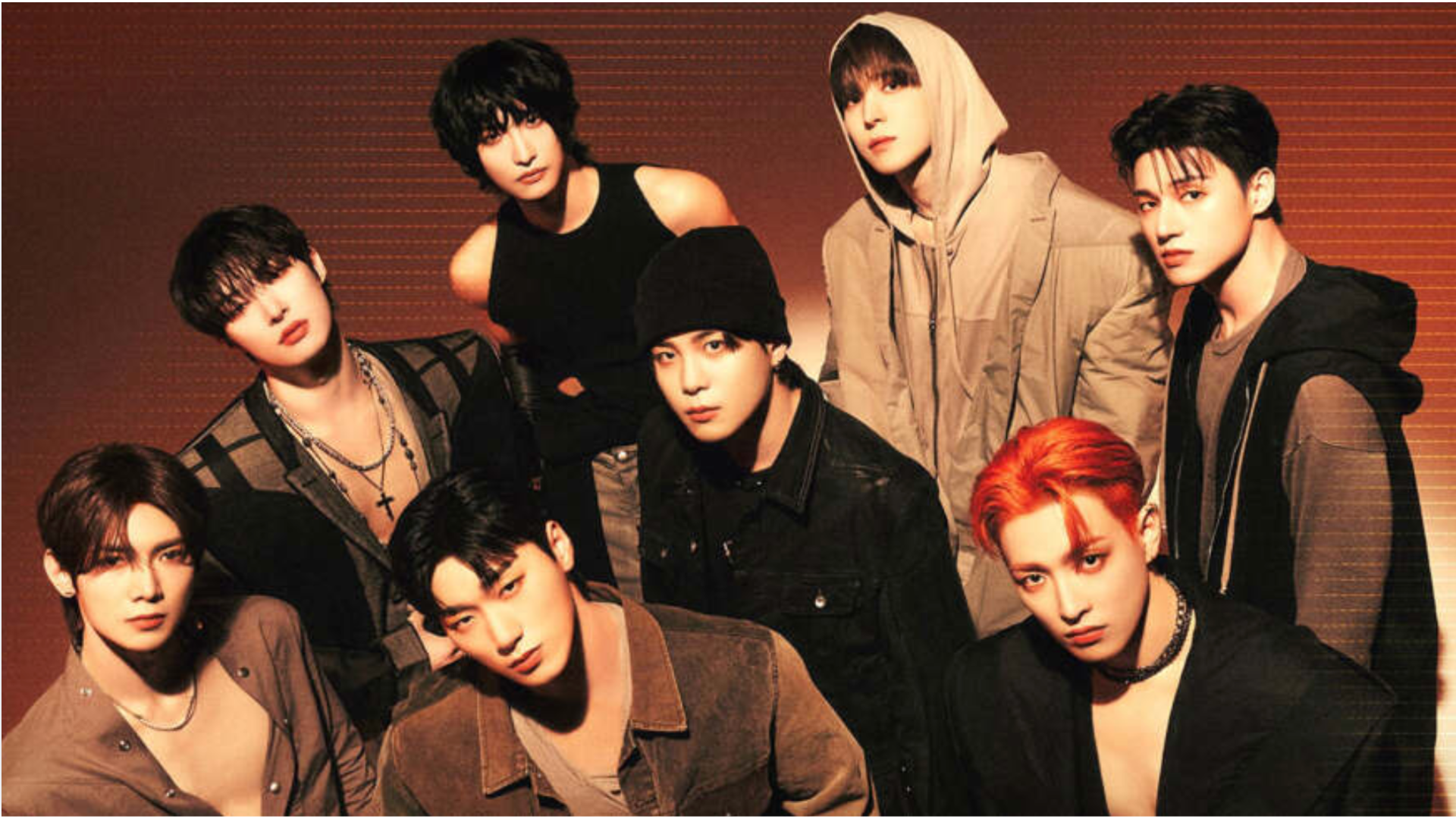
(ATEEZ)
Concert Culture
When it comes to concerts, a K-Pop concert offers a unique experience. Korean artists feel different from Western ones. The distance between Korea and fans worldwide makes it surreal. It seems unlikely that you are breathing the same air!
This feeling is especially strong with new groups that tour soon after their debut. Their early concerts show their amazing talent. They also highlight the hard work that fueled their quick rise.
One of the most distinctive features of K-Pop concerts is the display of fandom colors. For example, at an NCT concert, you’ll see a sea of neon green filling the stands. This isn’t just from fans’ outfits but also from their lightsticks! Lightsticks are just what they sound like.
They are special sticks with glowing tops made specifically for each group. There's nothing like experiencing something as breathtaking as stadiums light up in unison. It turns these concerts into unforgettable memories.
A concert connects fans to something bigger than themselves. Fanchants enhance this feeling. Fanchants (carefully crafted chants for each song) invite fans to join in by shouting members’ names in rhythm or emphasizing specific lyrics.
This shared experience connects fans not only to the group on stage but also to each other. It creates a powerful collective identity that unites everyone present. K-Pop marketing creates an immersive experience that fosters strong loyalty among fans.
This synchronized participation builds strong loyalty. It makes fans feel important to the group's success. It encourages repeat attendance and strengthens the bonds within the fan community. Fans often start planning for the next concert as soon as the current one ends. This is exactly the kind of engagement K-Pop marketers aim to inspire.
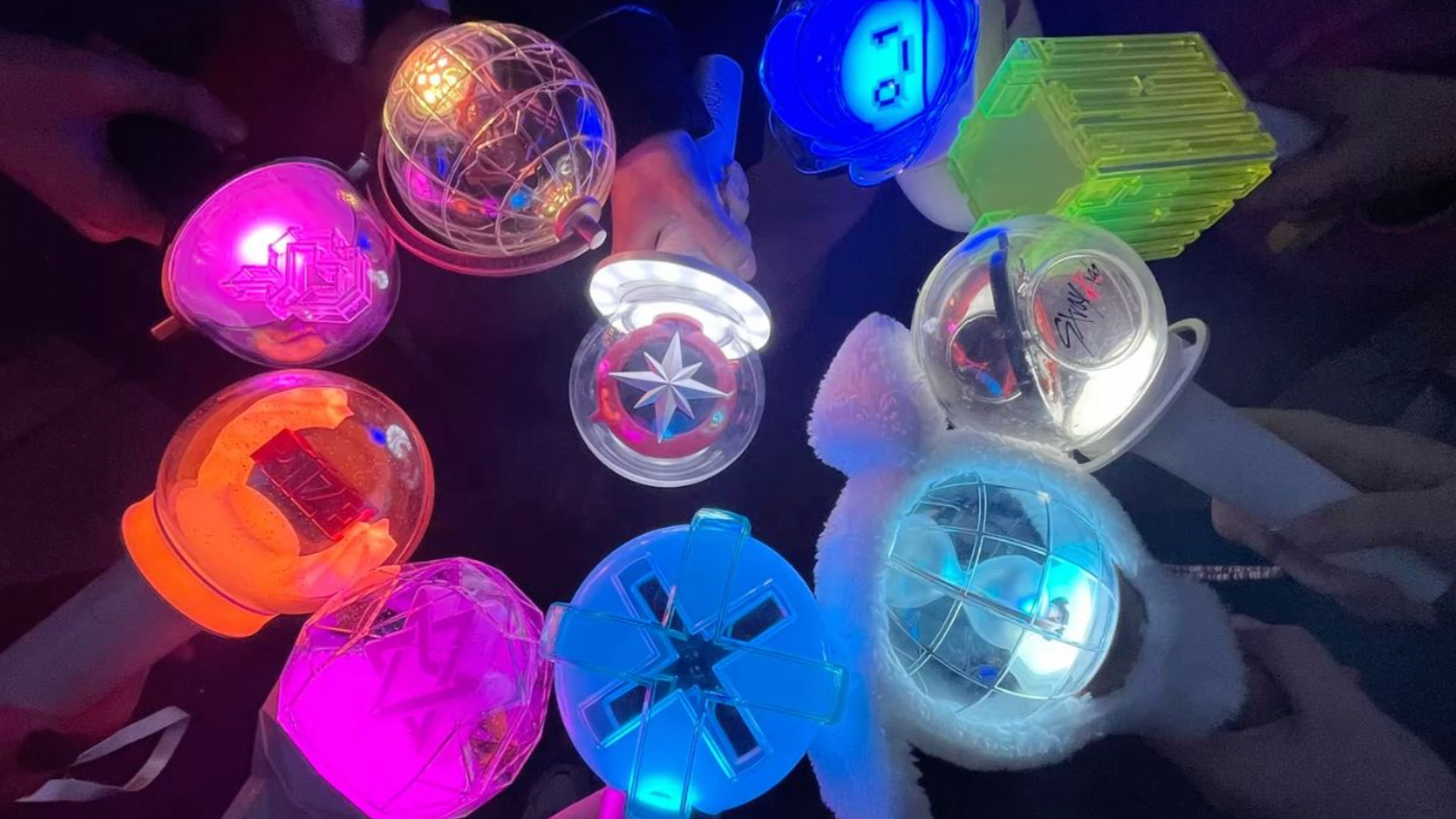
(Lightsticks)
Building Expectations
A strong brand does more than look good. It builds trust between fans and the artists. Having a strong brand has the capability to gain not only a fan’s trust but also that of peers in the industry. When a group remains consistent, fans feel a strong sense of familiarity with them.
That kind of loyalty goes way beyond listening to their music. It also helps groups earn respect in the industry.
A group that has excelled in this is RIIZE. They entered the industry in 2025 under NCT’s label, SM Ent. Their fresh vibe, energy, and catchy sound quickly won everyone over. So far their brand has been pretty consistent, with music-themed songs like “Talk Saxy”,”Get a Guitar”, and “Boom Boom Bass”!
Another way of solidifying trust within the industry is collabs. When teams collaborate, the company feels more united. It shows that everyone supports each other.
Fans love seeing their favorites team up, and it makes the whole company feel like one big family. That kind of connection holds significant importance in the K-Pop world.
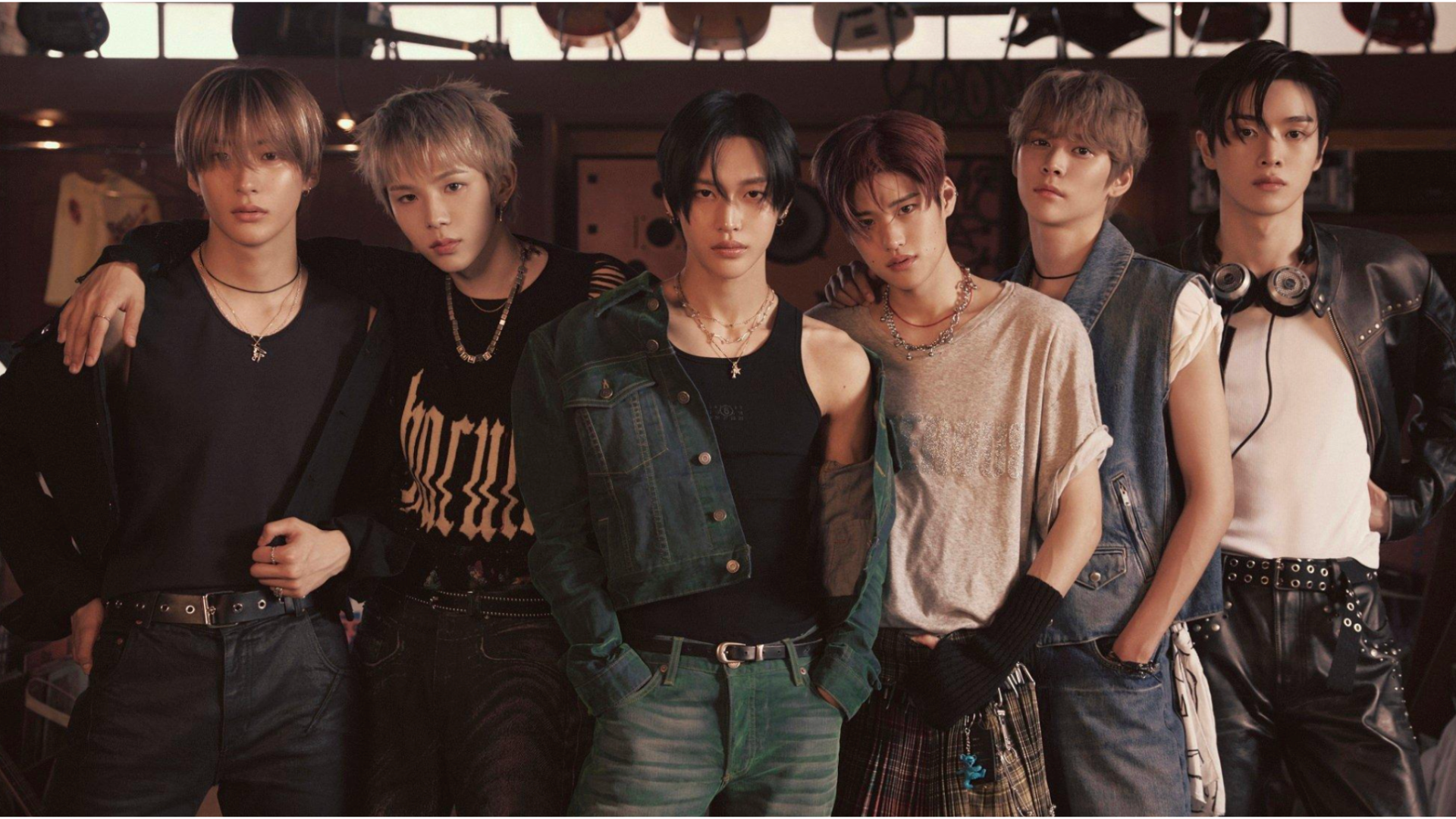
(RIIZE)
Endless & Relentless Content
Once someone falls for a K-Pop group, the next thing they do is follow them on every social media platform they can find. K-Pop teams are different from many Western artists. They post almost every day, often several times a day!
It might be a behind-the-scenes clip, a dance challenge, a teaser for new music, or a collab. Fans can always count on something new.
This constant content creates something clever: it trains fans. This is what makes K-Pop marketing so different. Seasoned fans develop what could be called an internal content clock, especially when it comes to new music.
If a group hasn't released anything in 3-4 months, a sense builds that new music is coming soon, and it's usually right.
This sparks conversations like “They haven’t released anything in a while… a comeback must be close!” That kind of fan-created buzz is super valuable, and it doesn’t happen by accident. This is how K-Pop marketing within companies creates on-the-ground marketing. When people start talking, they'll start posting, getting excited.
Many K-Pop companies plan their entire release schedule a year in advance. The result creates a fanbase that’s conditioned to always be excited and always ready for what’s next.
Fake Love (BTS Reference)
Many fans feel a deep connection with their favorite artist, even thinking that they would be a perfect match, platonically, or let's be real, romantically.
K-Pop marketing takes this to the next level. Through fan signs (events where fans can get albums signed and talk to their favorite artists), special apps, and tons of personal content. K-Pop idols create a sense of closeness that’s hard to find anywhere else in the music world.
Before idols even debut, they’re trained on how to connect with fans through cute behavior (called aegyo), humor, or just being warm and friendly. Fans eat it up every single time, and the industry knows it works.
Two of the biggest apps for this are Weverse and Bubble. Most HYBE artists use Weverse. It works like a small social media app where artists post and reply to fan comments.
Many JYP Entertainment artists use Bubble. It’s a paid app where fans can “chat” with their favorite members in what feels like a one-on-one conversation. The replies are usually written to work for lots of fans at once, but the feeling of connection is still real, even if it’s a little bit constructed. This takes the concept of "delulu" to a whole new level.
As I’ve mentioned before, idols train before they debut. A lot of companies record this process for a "survival show" to build a fan base before they debut. It’s easy to love these idols.
You watch them chase their dreams and cheer them on. Fans get involved by voting on who can stay or not, which is great engagement. Later on, when this group succeeds, its a flex to say you stanned them “pre-debut.” You can proudly claim you were there before they even started.
What Western Artists Can Learn from K-Pop Marketing
K-Pop marketing works because of three main things: a strong brand, regular content, and a close bond between fans and artists. These aren’t ideas that only work in Korea; most Western artists just haven’t used them this well. K-Pop has made a big splash in the Western industry. This shows they’re doing something amazing.
Katseye is a great example of how this approach works on a global scale. They’re an international girl group under HYBE. They’ve followed the K-Pop marketing playbook very well. They talk to fans through Weverse, hold fan signs, and maintain a very clear and strong brand.
Their journey to debut was shown in a survival show and a Netflix series. Fans felt a connection to them before they released any songs.
The lesson is clear: successful artists don’t just make music. They build worlds, earn trust, and create communities. K-Pop has known this for a long time. The rest of the music world is finally starting to figure it out.
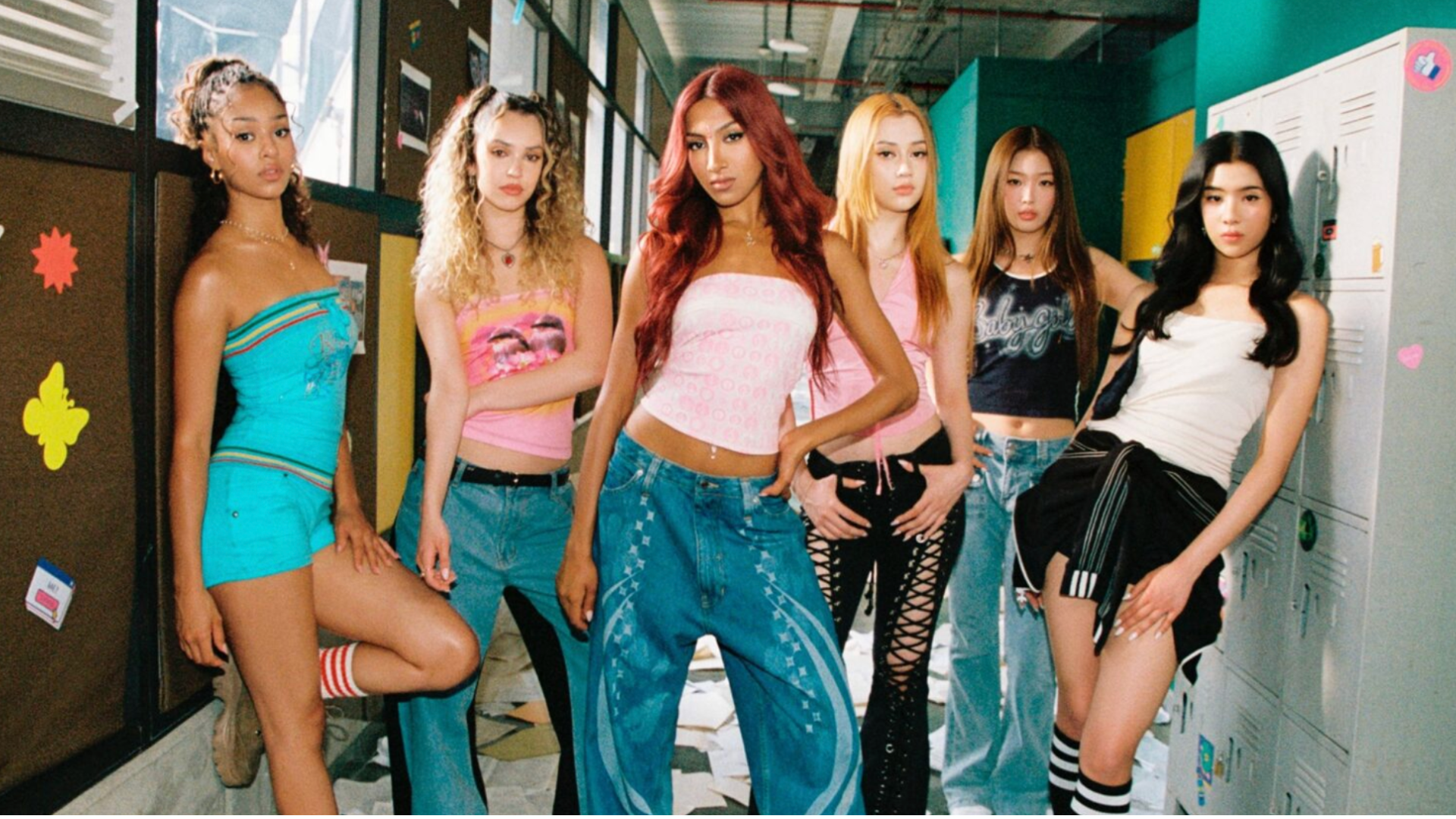
(KATSEYE)
🪽 Written by Jaylie Watson
join 40k marketing girlies
private Marketing Girly LinkedIn Group
A private community where young women in marketing network, collaborate, and support each other.
the weekly edit
get marketing jobs in your inbox
Join the Sky Society Weekly Edit for marketing jobs delivered straight to your inbox.
We hate SPAM. We will never sell your information, for any reason.