The Proven Power of User-Generated Content in 2026
Feb 12, 2026
In today’s digital marketing world, consumers trust real voices more than brand ads. People want to hear from other customers, not just companies trying to sell something. This shift has made user-generated content a powerful tool for building trust, engagement, and sales.
The benefits of user-generated content extend beyond its visual appeal. It changes how brands connect with their audiences in a more honest way. From viral social media posts to everyday product reviews, UGC delivers real results in a world that is crowded with traditional advertising.
User-generated content also matches how people shop today. Most people don’t buy something immediately after seeing a typical ad. They look it up, check reviews, watch videos, and see what real customers are saying. That is why UGC has become one of the most valuable tools a brand can use.
What is User-Generated Content?
User-generated content (UGC) includes reviews, photos, videos, recommendations, and social media posts made by customers. This type of content is different from brand-produced content because it comes from real people sharing their own experiences. It is not created by a company’s marketing team trying to sell a product.
Because UGC feels more natural and genuine, people tend to trust it more. Consumers are more likely to pay attention to this kind of content than to perfectly planned and organized ads. People want to see what the product looks like in real life, not just in a perfect studio photo.
UGC can also show more variety. A brand might sell a skincare product, but when different people post about it, you can see how it looks on different skin tones, different skin types, and in different lighting. That makes it easier for customers to understand the product before buying it.

The Benefits of User-Generated Content for Brand Trust
One of the biggest benefits of user-generated content is that it builds trust. Consumers are more likely to believe recommendations from people like themselves instead of traditional brand advertising. Seeing real customers share their honest opinions makes a brand feel more reliable.
A lot of shoppers will not buy something if there are no reviews at all. In fact, studies have shown that most people read online reviews before making a purchase. UGC is kind of like proof that a product is actually good and that other people really use it.

For example, the beauty brand Glossier built its reputation by encouraging customers to post makeup selfies and product reviews online. Instead of focusing on traditional ads, Glossier often reposted this user-generated content on Instagram. This helped the brand grow trust with its audience and eventually become a billion-dollar beauty company.

Another success story is GoPro. Many users share exciting adventure videos that were filmed using GoPro cameras.
GoPro even encourages this by offering rewards if users submit a cool video shot on a GoPro. As their website says, “Get the shot. Get rewarded.” When other consumers see these real videos, they are inspired to buy the product. This shows how user-generated content plays a strong role in building brand credibility.
How UGC Improves Engagement and Conversions
User-generated content often performs better than brand-created content on social media platforms. This is because people enjoy seeing real stories from other users instead of polished ads made by brands. UGC feels more relatable and natural, which makes people more likely to like, comment, and share it.
Take Gymshark, the fitness apparel brand, as an example. Gymshark regularly features customers’ workout videos and fitness transformation stories on Instagram and TikTok. These posts encourage engagement because people can relate to real fitness journeys and feel motivated by them.
UGC can also help conversions, which means it helps people go from looking to actually buying. Seeing real people use a product makes customers feel more confident. For example, if you see a person wearing a hoodie on TikTok and they say it’s comfortable, you might trust that more than an ad with a professional model.
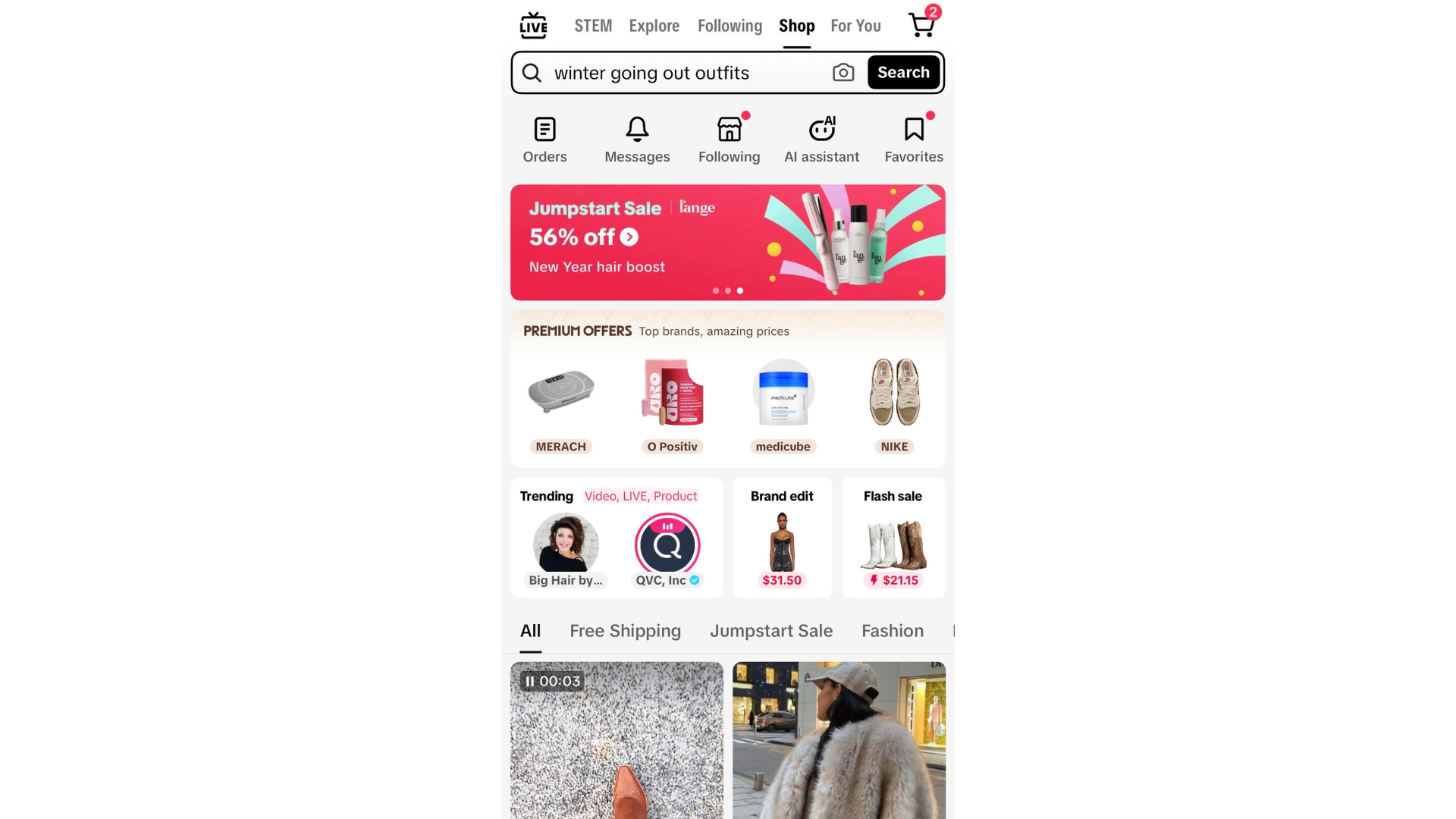
Another real-world example is TikTok Shop, which has become even bigger in 2026. A lot of products go viral because normal people review them, unbox them, or show before-and-after results. It feels like a friend is recommending it to you, so people are more likely to click and buy.

Similarly, when travelers post photos from their trips on Airbnb using branded hashtags, engagement increases quickly. Seeing real travel experiences makes others want to book stays for themselves. This helps boost interest and conversions in a natural way.
Because UGC feels like content users would normally see and engage with in their feeds, it performs better than traditional ads. People are more likely to stop scrolling, like a post, or leave a comment when the content feels real. This increases the benefits of user-generated content in clear and measurable ways.
How UGC Helps Brands Save Money and Reach More People
Traditional content creation, like studio photo shoots, can be very expensive for brands. Hiring photographers, models, and editing teams can add up real quick. User-generated content offers a more affordable alternative. Brands can reuse content made by customers without spending a lot on production.
This is especially helpful for startups and small businesses that do not have huge budgets. UGC helps them post content consistently without spending thousands of dollars every week. Instead of paying for expensive ads, they can rely on real customers to create content and spread the word naturally.

A good example of this is Comfrt, a lifestyle apparel brand. Comfrt runs an ambassador program made up of real customers who wear the brand in everyday life.
These ambassadors share photos and videos on social media, which helps increase brand awareness. This approach builds trust and increases brand visibility in an authentic way .
UGC also helps brands reach more people because customers share it with their own followers. That means the brand gets exposure without paying for every view. If one person posts a video wearing a brand’s outfit, the video might reach thousands of people for free. That is powerful marketing.
UGC Marketplaces and Platforms
As UGC becomes more important, new platforms are being created to connect brands with creators. Startups like SideShift focus on linking brands with content creators who specialize in UGC. These platforms prioritize quality, relevance, and authenticity instead of only focusing on follower count .
This is a big change compared to traditional influencer marketing. Instead of brands paying for a celebrity post, they can pay for real content that looks natural and fits their audience better. This makes UGC more strategic and measurable because brands can pick creators who match their style and goals.
Multi-Channel UGC Strategies
Brands now use user-generated content across many different channels, not just social media. Sephora, for example, shows customer reviews, photos, and videos on product pages. This helps shoppers see real results before buying, and they can learn tips from other customers, too.
On social media, platforms like TikTok and Instagram make it easy for UGC to spread. When users share posts with branded hashtags or show products in their everyday lives, it helps other people discover the brand naturally .
Brands also use UGC in email marketing, online ads, and even on their websites. For example, a clothing brand might include Instagram photos from real customers wearing their outfits. That makes the brand feel more personal and real.
Best Practices for Leveraging UGC
To get the most out of user-generated content, brands should follow a few key steps:
- Ask for permission. Always credit and get consent before using someone’s content.
- Be authentic. UGC should feel real, not scripted.
- Track performance. Use analytics to see which content boosts engagement and conversions.
A brand should also be careful not to over-edit UGC. If it starts looking like a normal ad, it loses the whole point. The best UGC feels like something you would actually see from a friend or a regular person online.
Why UGC Will Continue to Matter
Consumers are tired of being constantly marketed to. They want real stories, real experiences, and real voices they can relate to. That’s why user-generated content has become so important and will keep shaping marketing in 2026.
UGC helps brands build trust because customers believe other customers more than ads. It improves engagement because people like content that feels real. It also helps brands boost conversions because UGC gives shoppers proof before they buy.
On top of all that, UGC helps brands save money and reach more people without spending huge budgets on professional content.
At this point, user-generated content isn’t just a fun add-on anymore. It is a real marketing strategy that can make a brand more successful in the long run. If brands want to grow and connect with customers in a real way, they need to start investing in UGC more seriously.
🪽 Written by Isa Londoño
join 40k marketing girlies
private Marketing Girly LinkedIn Group
A private community where young women in marketing network, collaborate, and support each other.
the weekly edit
get marketing jobs in your inbox
Join the Sky Society Weekly Edit for marketing jobs delivered straight to your inbox.
We hate SPAM. We will never sell your information, for any reason.