The Truth About Food Marketing Strategies That Drive Desire
Feb 18, 2026
In a digital era, where attention spans are short and consumers actively avoid sponsored content, brands face a growing challenge of how to create marketing that feels desirable and not disruptive.
How can brands bridge the gap between the physical and the digital worlds while creating marketing that drives desire and action?
The secret lies in food marketing strategies.
Food marketing strategies allow brands to sell products without pushing them to consumers through direct advertising or sponsored content. Instead, it allows brands to create memorable experiences and emotional connections that evoke a natural sense of cravings for the product or brand.
Food is a powerful visual and emotional language that can turn your everyday products into objects of desire.

Food Marketing Strategies That Stop The Scroll
Food marketing strategies turn products into unforgettable experiences to savor, not just use.
They allow brands to tap into all 5 senses using a language that everyone understands: food. Food is something we think about daily and is a necessity.
Food is familiar, personal, and stirs up desire and cravings. It triggers emotional responses and nostalgia, evoking memories and fostering a more personal connection with the product or brand. It is a message that sticks.
Food has also become part of our personal branding. It lives on vision boards, in social media content, and in everyday conversation starters.
A simple question like “Are you more of a coffee person or a matcha girl?” can quickly turn into, “That makes sense, I can tell from the espresso Peptide Lip Tint?” or “I’ve only tried Laneige’s matcha Lip Glowy Balm, how is it?” Suddenly, brands enter everyday conversations organically, without paid advertisements or sponsored content.
That’s the power of food marketing strategies. They spark dialogue naturally, and turn word-of-mouth marketing into a powerful tool to drive cravings. The key to effective food marketing strategies is to tap into desire, not promotion. These beauty and fashion brands have perfected their use of food marketing strategies to the next level.
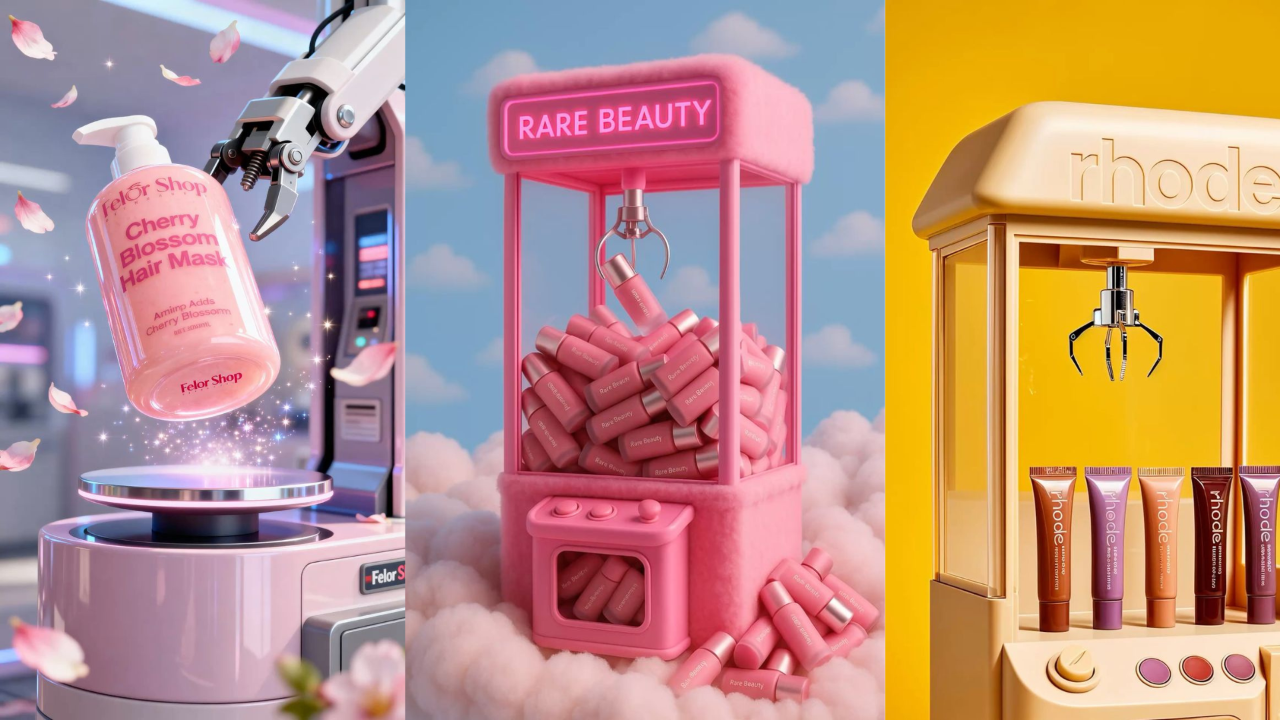
Rhode : Sweet Treats You Can’t Resist
Rhode has perfected using food marketing strategies to make their products feel almost edible. From cinnamon-roll-inspired drops to their Lemontini summer editions, both the brand’s social media feed and product packaging look mouthwatering and aesthetically pleasing. It makes their products feel irresistible.
Rhode applies food marketing strategies not only in their campaign visuals but also in their flavor names and simple, cute, food-inspired stickers like coffee, toast, and raspberries on their lip treatments. These small details encourage consumers to collect pieces that identify with their personal brand.
Coffee lovers gravitate toward the espresso-themed drops for the fall. Summer enthusiasts find the limited-edition Lemontini drops simply irresistible.
Rhode uses the same pleasure as desserts to make their seasonal drops ever more desirable and a must-have. Both their social content, product photography, and product itself create a playful world of delectable sweet treats.

Jacquemus : Unforgettable Butter
Imagine receiving an unexpected invitation to Jacquemus in the mail. Only, it's Jacquemus-branded bread and butter. That’s certainly unforgettable.
This was not about selling a product directly to consumers, but creating memorable and fantastical moments for consumers to experience and share with others.
By using bread and butter, Jacquemus created an experience that felt personal, unique, and shareable. Food became a way to bridge the gap between fantasy and reality.
These unexpected experiences help brands like Jacquemus stand out in a highly saturated market. In an era dominated by online shopping and marketing, Jacquemus found a way to bridge the gap between the digital and physical worlds through food marketing strategies that were unique, memorable, and impossible to scroll past.

Milk Makeup : Pretty Enough To Eat
Milk Makeup’s food marketing strategies are rooted in texture, nostalgia, and youthful play. Milk Makeup’s Jelly Tints became a hit with their Gen Z audience, especially on TikTok, leading to sell-outs.
Why did it work? The success of the tints came from looking and behaving exactly like jelly, something many consumers grew up with or are familiar with. It is translucent in color, jiggly in texture, and cool to the touch, exactly like jelly.
The application felt exciting and playful, like playing with jelly as a child. The pH-activated color added a layer of personalization and experimentation to the whole experience.
The combination of innovation and nostalgia made these Jelly Tints absolutely irresistible. Some consumers even bit into the products, proving the edible look of the tints. Milk Makeup used food to turn their makeup products into viral sensations, making their application a playful sensory experience.

Luxury Cafes : A Place to Taste Luxury
Luxury cafés are one of the most immersive food marketing strategies in the fashion industry today. Instead of loud, in-your-face marketing, luxury brands are choosing a more experience-driven route to drive engagement and promote their brand and launches.
Ralph’s Coffee, Tiffany’s Blue Box Café in New York, and Prada Caffè in London and Singapore all invite consumers to sit down and experience the brand through their food offerings. From New York to London and Paris, luxury brands are opening cafés as physical spaces to showcase and experience the brand.
These cafés don't sell edible fashion or jewelry. They sell the lifestyle and luxury that these brands represent.
It is the perfect way to combine an action people do every day, such as eating, into an immersive and memorable destination. They are the perfect Instagrammable spots to be shared across social media, especially for the younger generations. This strategy feels more organic, immersive, and less disruptive than traditional advertising.
Tiffany’s isn't trying to sell edible jewelry at their Blue Box Café. They are trying to sell you the experience of luxury, elegance, and Tiffany’s itself.

Laneige : Hydration For The Lips
Laneige uses food marketing strategies to create limited-edition drops for its famous hydrating lip masks. Limited edition drops like Hot Cocoa, Strawberry Shortcake, and Matcha Bubble Tea feel refreshing and crave-worthy. These seasonal drops tap into the same excitement as limited-edition, seasonal café beverages.
This keeps the brand's most popular product constantly engaging, encouraging consumers to continue purchasing the product by trying different flavors. Laneige uses food-inspired flavors to turn functional lip care into sensory, almost-drinkable experiences.

Conclusion
Food marketing strategies are powerful because they tap into personal connection and desire before logic. It offers a familiar and more organic approach to product or brand marketing, especially in a digital era where traditional forms of advertisements are often ignored.
They turn products into cravings, brands into experiences, and marketing into shareable moments.
When marketing feels experiential rather than promotional, it becomes memorable, shareable, and effective. Food marketing strategies work because they don’t just promote products; they sell a memory, identity, and an experience worth savoring.
🪽Written by Steffi Widjajanto Puspawidjaja
join 40k marketing girlies
private Marketing Girly LinkedIn Group
A private community where young women in marketing network, collaborate, and support each other.
the weekly edit
get marketing jobs in your inbox
Join the Sky Society Weekly Edit for marketing jobs delivered straight to your inbox.
We hate SPAM. We will never sell your information, for any reason.