Craving For More : The Latest Rise Of Sensory Marketing
Feb 18, 2026
Have you ever seen a campaign that looks good enough to eat?
This emerging strategy is called sensory marketing. In today’s competitive market landscape, it has become a challenge for brands to differentiate themselves from competitors. To address this concern, brands have turned to sensory marketing to connect with their customers and influence consumer behavior.
What is Sensory Marketing?
Sensory marketing is a strategy that taps into the five senses (sight, hearing, smell, taste, and touch) to capture the consumer’s attention and evoke certain emotions that will drive their purchasing decisions.
Today, a growing number of brands have implemented this marketing strategy to create a more personal experience for their consumers, ultimately boosting brand engagement and loyalty.
 The 5 Senses in Marketing
Sight: Visual Marketing
Sight is one of the most important factors in marketing since it is the first thing that appeals to consumers. If a marketing campaign does not catch the consumer’s eye, then they will simply scroll past it.
Therefore, brands must know how to effectively use color, typography, and visual elements in their campaigns. Not only does a visually appealing campaign gain traffic for a brand, but it also further strengthens its brand identity.
Sound: Auditory Marketing
Brands incorporate sound in their sensory marketing campaigns through the use of music, voiceover, brand sounds, and ASMR. Sound heavily influences a person’s mood; hence brands choose specific sounds and audio in order to evoke a specific emotion from their customers.
Smell: Scent Marketing
Scent is a powerful component in sensory marketing and is often overlooked by the typical consumer since it is so intertwined with everyday life. It is an effective marketing tactic that is connected to memory recall. Industries such as food/beverage and retail heavily rely on smell to attract customers and get them to purchase their products.
Taste: Gustatory Marketing
Taste is primarily utilized in the food/beverage industry to provide consumers with a unique tasting experience that will get them to come back for more. For example, grocery stores give out samples so their customers get the opportunity to try out the products before committing to the purchase.
Touch: Tactile Marketing
Tactile marketing allows consumers to interact with a brand’s product firsthand. Through the use of packaging and textures, customers are able to immerse themselves in the brand.
Touch is an important element in building trust between the consumer and the brand. Today, many companies and brands pour a lot of effort into their product packaging to give customers a high-quality experience. When done correctly, it leaves a positive impression on the customer and results in high customer retention.
The Psychology Behind Sensory Marketing
From a psychological standpoint, sensory stimulation can actually trigger certain emotions and memory recall. When a brand incorporates food into its marketing campaign, it stimulates the consumer’s senses and evokes feelings such as comfort and indulgence. This is known as cross-modal bias. As a result, the consumer is much more likely to purchase the product because they associate a certain feeling with it.
The use of sensory marketing can also trigger nostalgia. For example, food is relatable to everyone, and it connects people to their family and culture. Brands use this to their advantage when marketing their products by connecting them to nostalgic feelings. As a result, consumers are more inclined to purchase the product and trust the brand.

5 Examples of Sensory Marketing Done Right
There are a couple of brands that are currently nailing sensory marketing strategy. Let’s take a look at 5 examples that have recently caught our attention.

1. Rhode
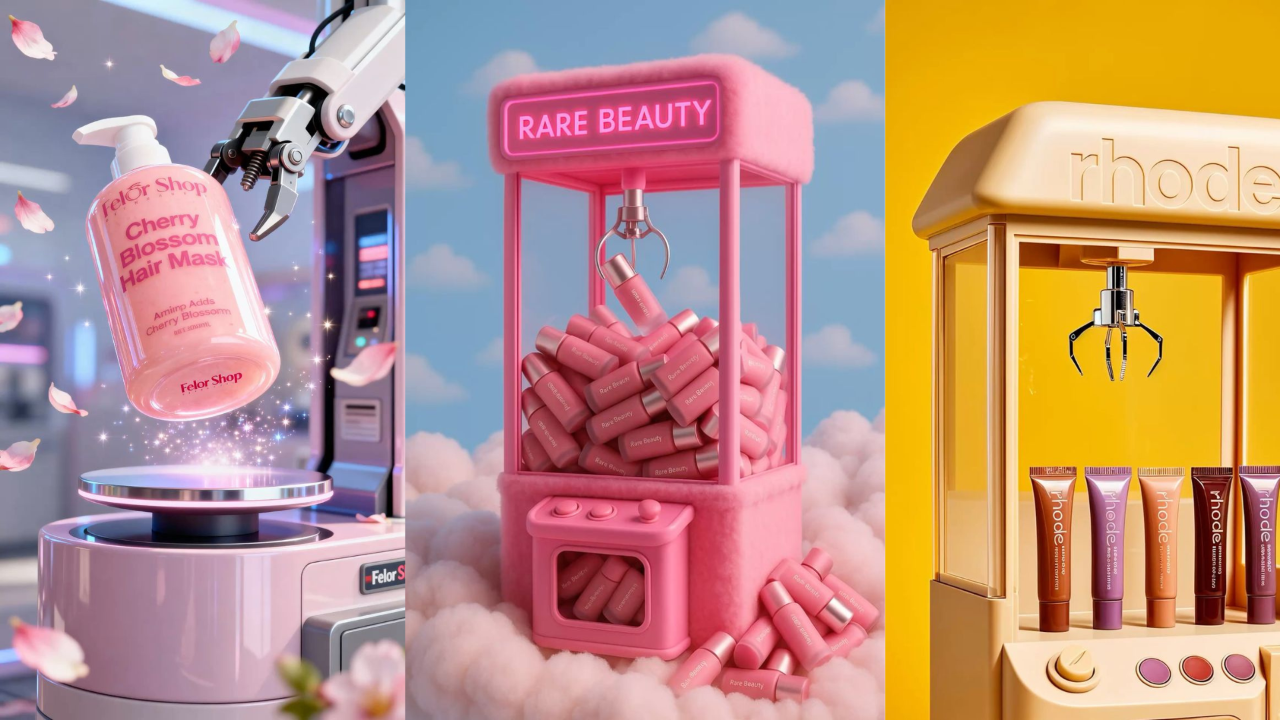
Rhode has mastered this strategy in all of their recent marketing campaigns, specifically their launch of their limited edition shades of the Scented Peptide Lip Tint. The shade names and visual ads for this launch are heavily centered around food. Since food is something that is familiar to everyone, it makes the product seem decadent and irresistible to consumers.

2. Netflix
Netflix uses auditory marketing by including its iconic ‘Tudum’ sound in its campaigns. The sound builds anticipation for viewers who are looking forward to consuming Netflix media. This sound plays a huge role in the company’s brand identity because that is what differentiates Netflix from its competitors. The sound is short and simple; however, has become a very effective marketing tactic.
3. Marty Supreme
Leading up to the release date of Mary Supreme, A24 took a unique approach to its marketing strategy for the movie. They turned Marty Supreme into a viral spectacle through their creative marketing campaigns. For instance, celebrities such as Kendall Jenner and Tom Brady were seen wearing limited-edition vintage Marty Supreme jackets.
The studio even hosted pop-ups that were open to fans who wanted to get their hands on this jacket. This use of tactile marketing encourages customer interaction and builds hype for the campaign.

4. Disneyland
Have you ever walked by a popcorn cart at Disneyland and gotten hit with a delicious, fresh popcorn smell? Well, it isn’t just from the popcorn that they’re selling.
Disneyland actually has hidden scent machines that spray the scent into the air. It is a great example of scent marketing because the fragrant scent entices guests to stop and purchase popcorn, eliminating the need for cast members to upsell the goods to them.

5. Fork n’ Film
Fork n’ Film brings films to life through curated full-course menus for an immersive dining experience. Each dish is served to you while you are watching it on the screen. This unique concept uses gustatory marketing to create a memorable and satisfying experience for diners. It allows them to feel more connected to the film, almost as if they were in the movie themselves.
How Can Your Brand Use Sensory Marketing?
If you want to implement sensory marketing for your brand, you should start by identifying your marketing goals and what senses you want to target. Then, you should pinpoint how you’re going to target those senses with specific sounds, smells, textures, etc.
It’s important to be intentional with your target senses, as you don’t want to overstimulate consumers. Next, create your strategy and test it. After reviewing the data and collecting customer feedback, adjust your strategy based on the results.

The Future for Sensory Marketing
It’s evident that marketing has transformed from being a one-dimensional strategy to creating a full-blown experience for consumers. Sensory marketing has turned into a powerful tool for brands to connect with their audience. When brands use sensory marketing correctly, they are able to connect with their audience and build a loyal customer base.
🪽 Written by Teresa Nguyen
join 40k marketing girlies
private Marketing Girly LinkedIn Group
A private community where young women in marketing network, collaborate, and support each other.
the weekly edit
get marketing jobs in your inbox
Join the Sky Society Weekly Edit for marketing jobs delivered straight to your inbox.
We hate SPAM. We will never sell your information, for any reason.