Movie Marketing Has Outgrown the Trailer, Now Brands Want In
Feb 12, 2026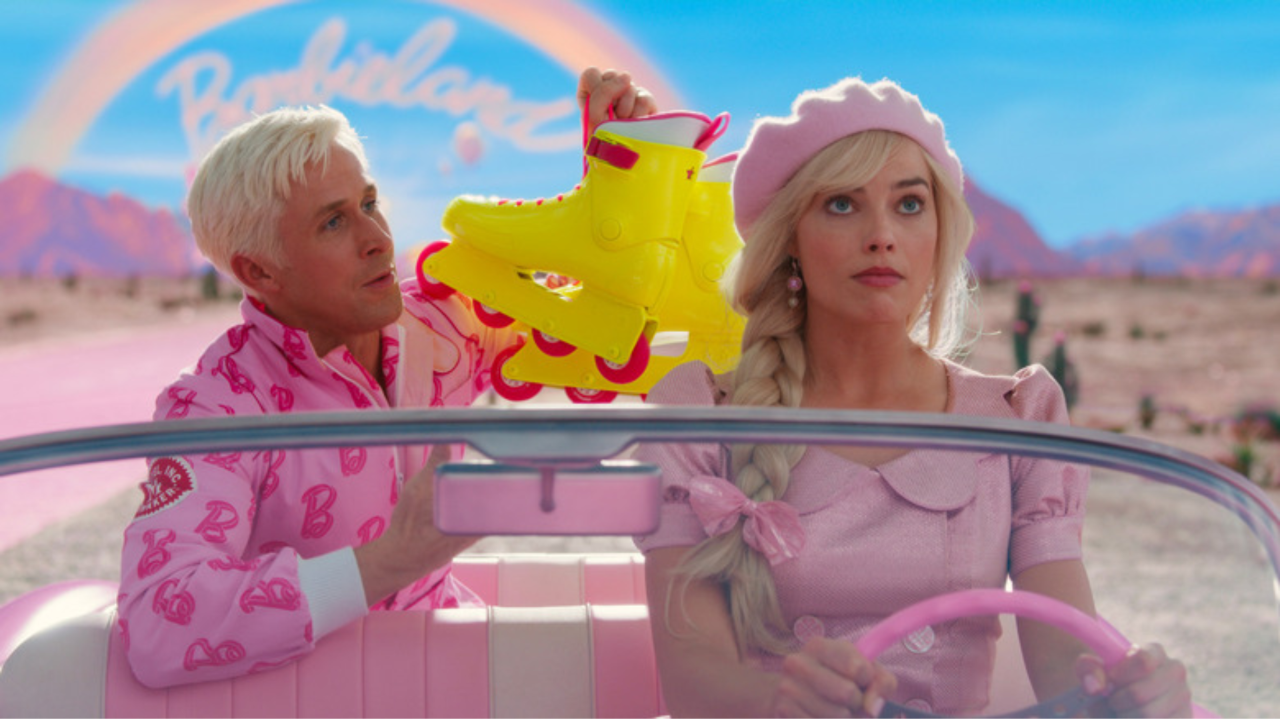
Over the past few years, movie marketing has become almost impossible to avoid. Campaigns no longer live only on screens or in theaters. They show up in social feeds, inboxes, grocery aisles, big box stores, and even casual dining chains.
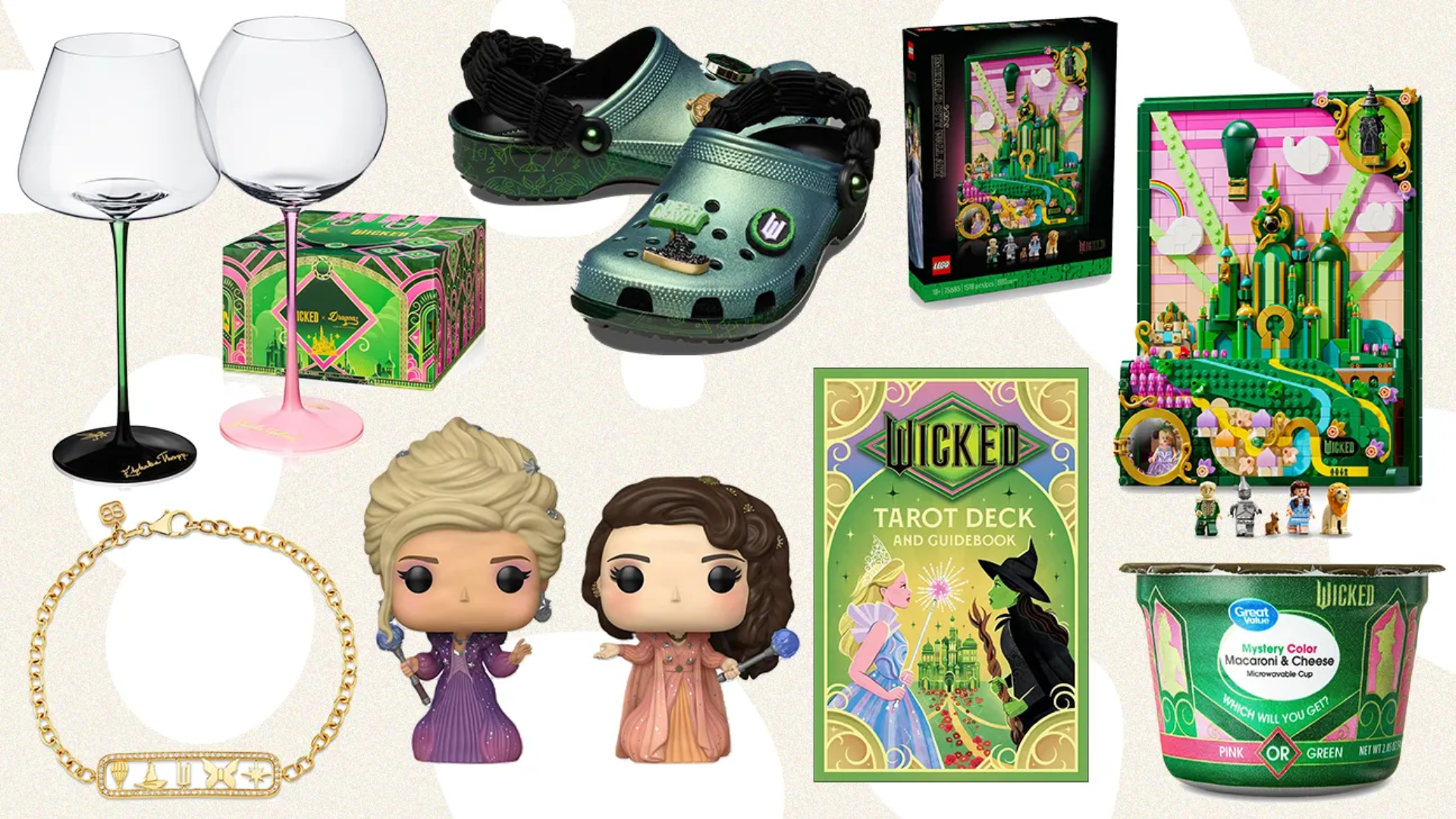
One of the most visible examples of this shift is Wicked. The film’s marketing campaign appeared everywhere at once. It followed consumers from Instagram to Target to the radio and beyond.
While Wicked has been the most noticeable recent example, it is not the only one. A similar level of saturation happened with Barbie in 2023. Smaller scale efforts have also appeared for films like People We Meet On Vacation, Marty Supreme, and Lilo and Stitch.
The Rise and Saturation of Modern Movie Marketing
Movie marketing has expanded far beyond trailers and press tours. Studios and brands now aim to bring audiences into the world of a film long before release. When done well, movie marketing can feel immersive and exciting.
When done poorly, it becomes noise.
This shift has created both opportunity and risk. Movie marketing can build emotional connection and cultural relevance. It can also overwhelm audiences when partnerships feel random or forced.
The difference comes down to relevance.
When Movie Marketing Turns Into Noise
Consumers today are more aware of how they are marketed to. As budgets tighten and attention spans shrink, people are more selective about what earns their interest.
Leading up to the release of Wicked, many partnerships sparked confusion rather than excitement. Collaborations with laundry detergent, cleaning products, and color changing food items raised eyebrows.
These products did not feel connected to the world of Oz. They did not add to the story or deepen the experience of the film.
That uneasy feeling consumers had is a response to inauthenticity. People can tell when movie marketing is built with intention and when it is built for exposure alone.
Modern audiences are not passive. They recognize when a character or logo is simply placed on a label to capitalize on a cultural moment.
Visibility without relevance does not build brand equity.
Oversaturation can also dilute the impact of partnerships that actually make sense. When everything is branded, nothing feels special.
In these cases, movie marketing stops feeling immersive and starts feeling transactional.
When Movie Marketing Actually Works
Not all movie marketing partnerships miss the mark. Some collaborations stand out precisely because they feel thoughtful and intentional.
These partnerships do more than borrow attention. They extend the world of the film into real life in ways that feel natural.
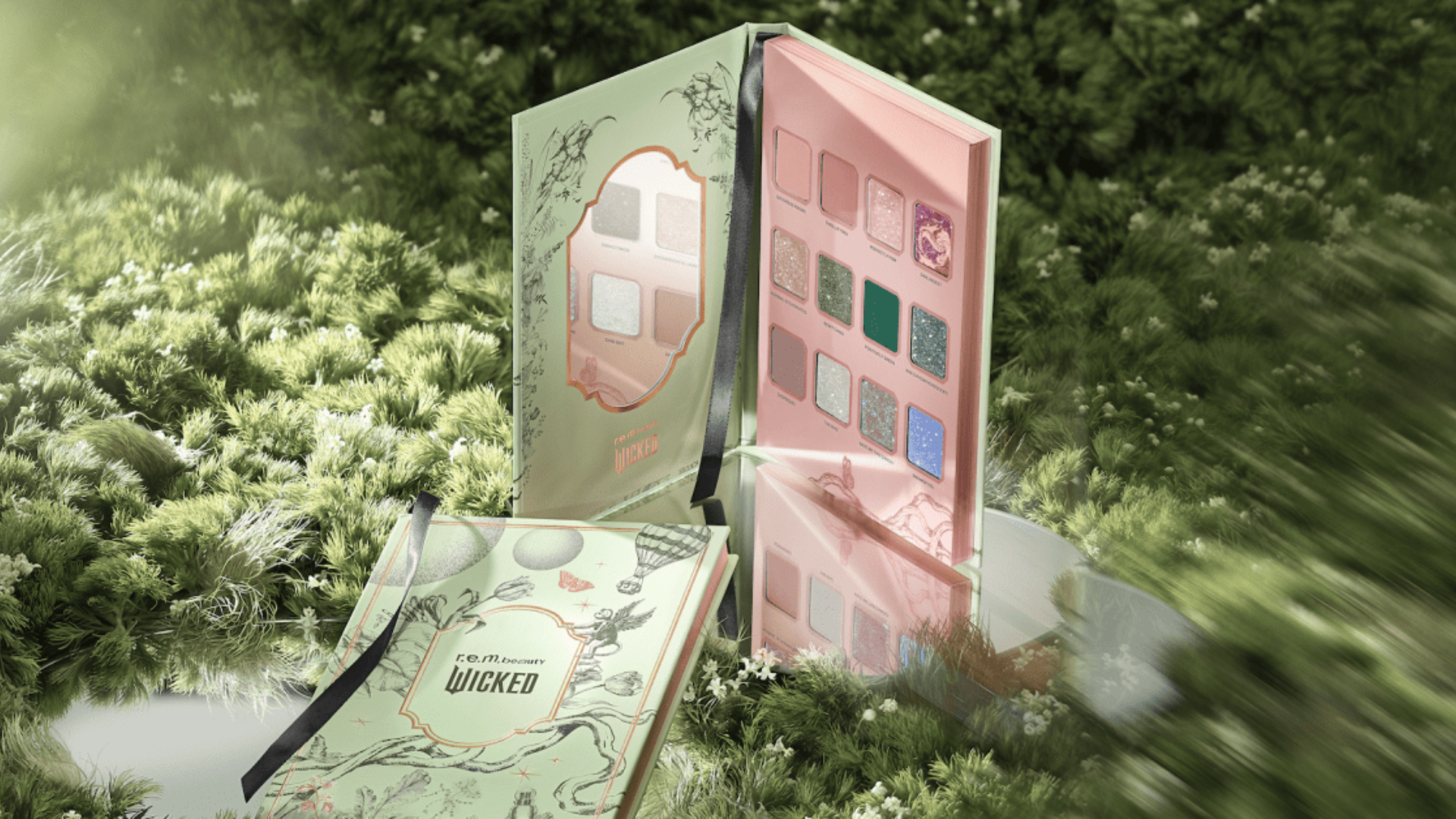
Wicked x REM Beauty
The Wicked and REM Beauty collaboration resonated strongly with consumers, putting other collaborations with the film to shame.
This worked for several reasons, the first of which was the pre-established connection between Ariana Grande as the founder of REM and her role as Glinda in the film. This only made sense for Grande’s audience.
The products themselves also mattered. The color palette, textures, and packaging reflected the whimsy and magic of Oz. The line felt like it belonged on Glinda’s vanity.
This movie marketing effort brought fans deeper into the world of the story instead of pulling them out of it.
People We Meet On Vacation x FabFitFun
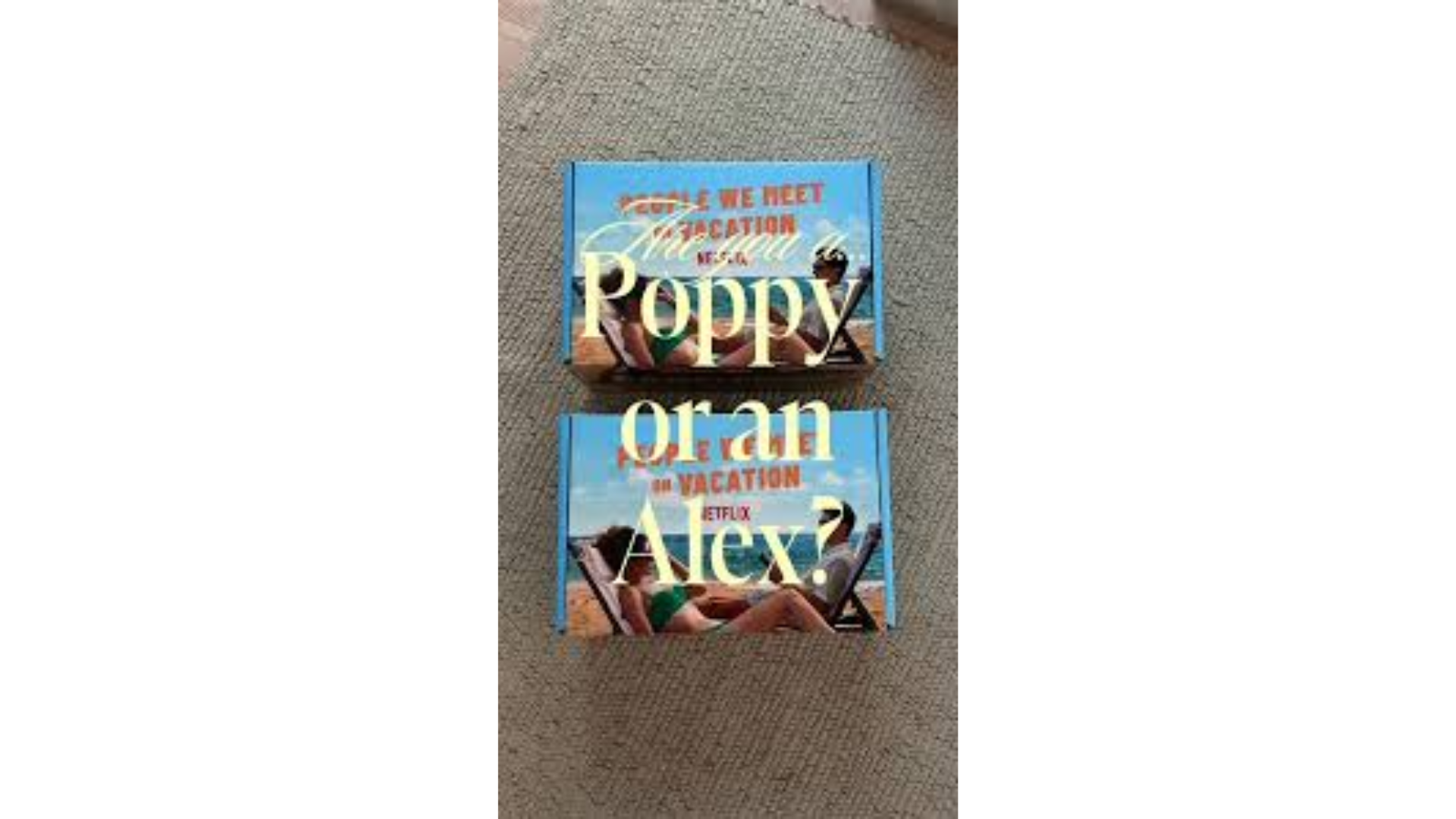
Not every effective movie marketing campaign needs to go viral. The People We Meet On Vacation collaboration with FabFitFun is a strong example.
FabFitFun is a lifestyle subscription box with a large base of women consumers, overlapping with the target audience for the film.
Ahead of the movie’s Netflix release, FabFitFun gave away two curated boxes. Each box was themed around one of the main characters, Poppy and Alex.
The products reflected the personalities of the characters. Fans familiar with the book could immediately understand the choices.
This movie marketing partnership felt thoughtful and personal. It did not rely on mass exposure to be effective.
Marty Supreme x Wheaties
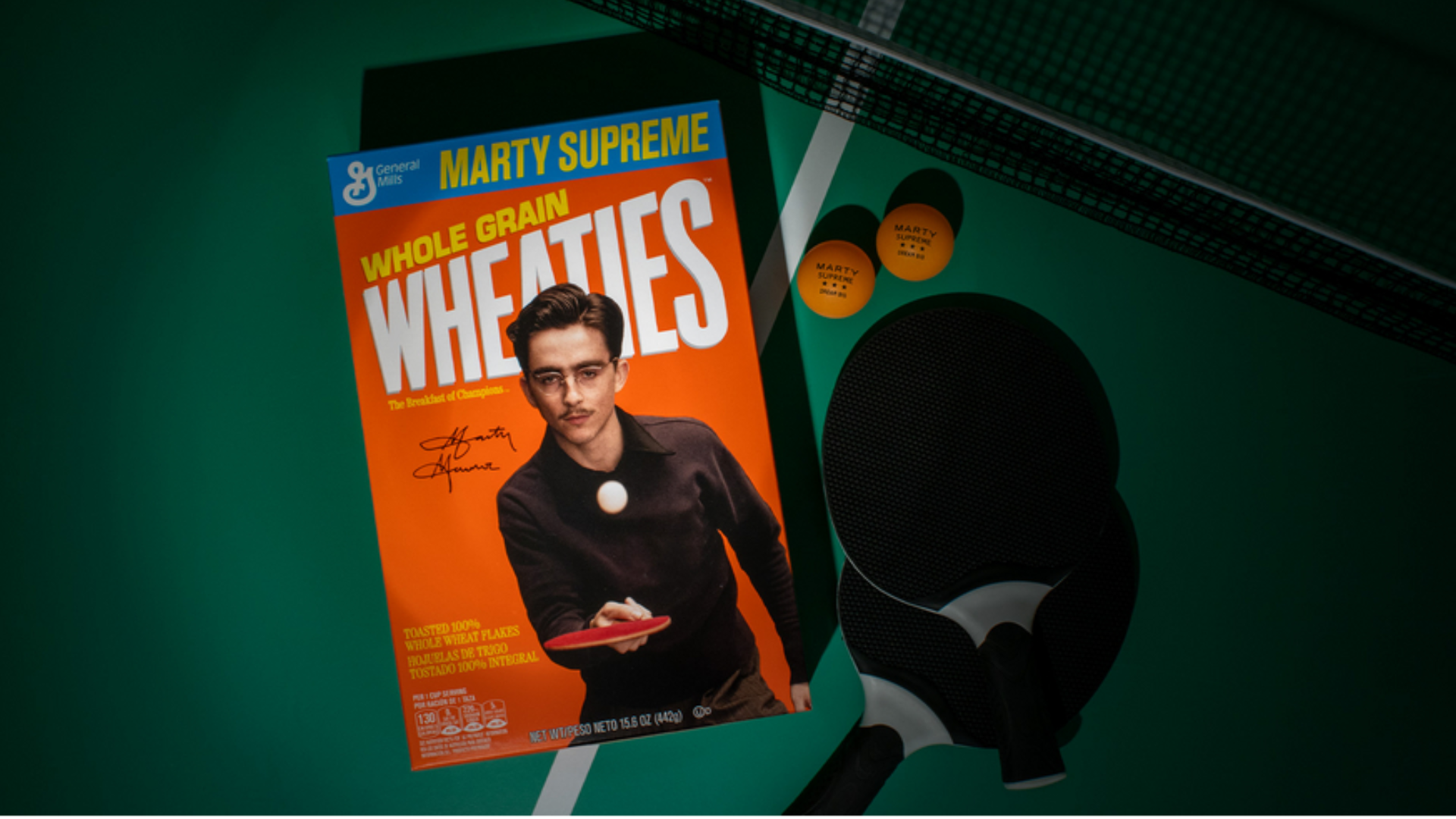
The Marty Supreme and Wheaties collaboration took a different approach. It leaned into novelty and storytelling.
A limited edition Wheaties box featured Timothée Chalamet and referenced a line from the film about appearing on a cereal box. This partnership worked because it blurred the line between the movie’s world and reality. It felt playful rather than commercial.
Not everyone saw this campaign, and that was intentional. Effective movie marketing does not need to reach everyone. It needs to reach the right people.
How Brands Should Decide Whether to Align With a Movie IP
As partnerships in movie marketing become more common, brands need a stronger filter for deciding when to participate.
Not every film needs a brand partner. Not every brand benefits from aligning with a movie. Marketers should ask a few key questions before moving forward.
- Does this partnership make sense without the logo? If the branding were removed, the product or experience should still feel connected to the film’s world.
- Does it enhance the story or simply borrow attention? Strong movie marketing adds depth rather than distraction.
- Will it still feel relevant after the hype fades? If the partnership only works during opening weekend, it may not be worth the investment.
- Does it align emotionally, not just demographically? Shared values and tone matter more than audience overlap alone.
Thoughtful movie marketing requires restraint. Saying no can be just as strategic as saying yes.
The Future of Movie Marketing : Fewer, Smarter Partnerships
Consumers are not tired of movie marketing. They are tired of noise.
Audiences still welcome creative, well-executed partnerships that feel intentional and meaningful.
The future of movie marketing will not be defined by volume. It will be defined by intentionality.
Studios will need to be more selective about how their intellectual property is used. Brands will need to be more honest about whether a partnership truly fits.
Effective movie marketing builds worlds instead of cluttering them.
The strongest partnerships are the ones that feel useful, collectible, or emotionally resonant. These collaborations live beyond opening weekend and remain relevant long after the campaign ends.
As movie marketing continues to evolve, relevance will matter more than reach. Brands that choose fewer, smarter partnerships will stand out in a crowded landscape.
In the end, movie marketing works best when it feels personal, not transactional.
🪽 Written by Gillian Walker
join 40k marketing girlies
private Marketing Girly LinkedIn Group
A private community where young women in marketing network, collaborate, and support each other.
the weekly edit
get marketing jobs in your inbox
Join the Sky Society Weekly Edit for marketing jobs delivered straight to your inbox.
We hate SPAM. We will never sell your information, for any reason.