Female Leadership : Why It Matters Now More Than Ever
Feb 13, 2026
Are you uncomfortable working in a predominantly male-dominated office?
Are you feeling discouraged from applying for promotions?
We understand how hard it can be to navigate your early career and the fear of making yourself stand out. However, we need more female leadership in the offices more than ever. Here is some history and advice to help you climb that ladder.
What is Female Leadership?
Female leadership is not just a goal; it's a need in order to build a balanced and progressive society. McKinsey & Co. notes how female leadership is not taken as seriously in companies in 2025, and the interest in women's careers is declining among large companies.
The issue is not the work effort of women; it's the lack of sponsorship invested in female leadership and their careers.
Companies are less interested in hiring women due to various reasons, such as maternity leave, fear of conflict, which could lead to HR issues, and a general disdain for working mothers.
This should not discourage women from networking and continuing their education. This obvious sexism should not override your desire to grow in your careers and within yourselves.

History of Female Leadership
Let’s honor the female leaders who came before us by going down a timeline of female leaders of the past:
1872: Victoria Woodhull became the first woman to run for president of the United States before American women were even allowed to vote.
1887: Susanna Salter became the first female elected mayor in the U.S. and possibly the world, even though most of her votes were from men who thought the concept was funny.
1916: Jeanette Rankin is the first woman elected to the U.S. House of Representatives, which also made her the first woman in the U.S. Congress.
1925: Nellie Tayloe Ross became the first woman to serve as a U.S. governor.
1964: Patsy Takemoto Mink is the first Asian American woman to be elected to Congress, and she later co-wrote Title IX.
1984: Geraldine Ferraro is the first woman to be nominated for vice president by a major political party.
1992: Carol Moseley Braun became the first African American woman to be elected to the U.S. Senate.
2021: Kamala Harris became the first African American, Asian American, and woman to be sworn in as vice president of the United States.
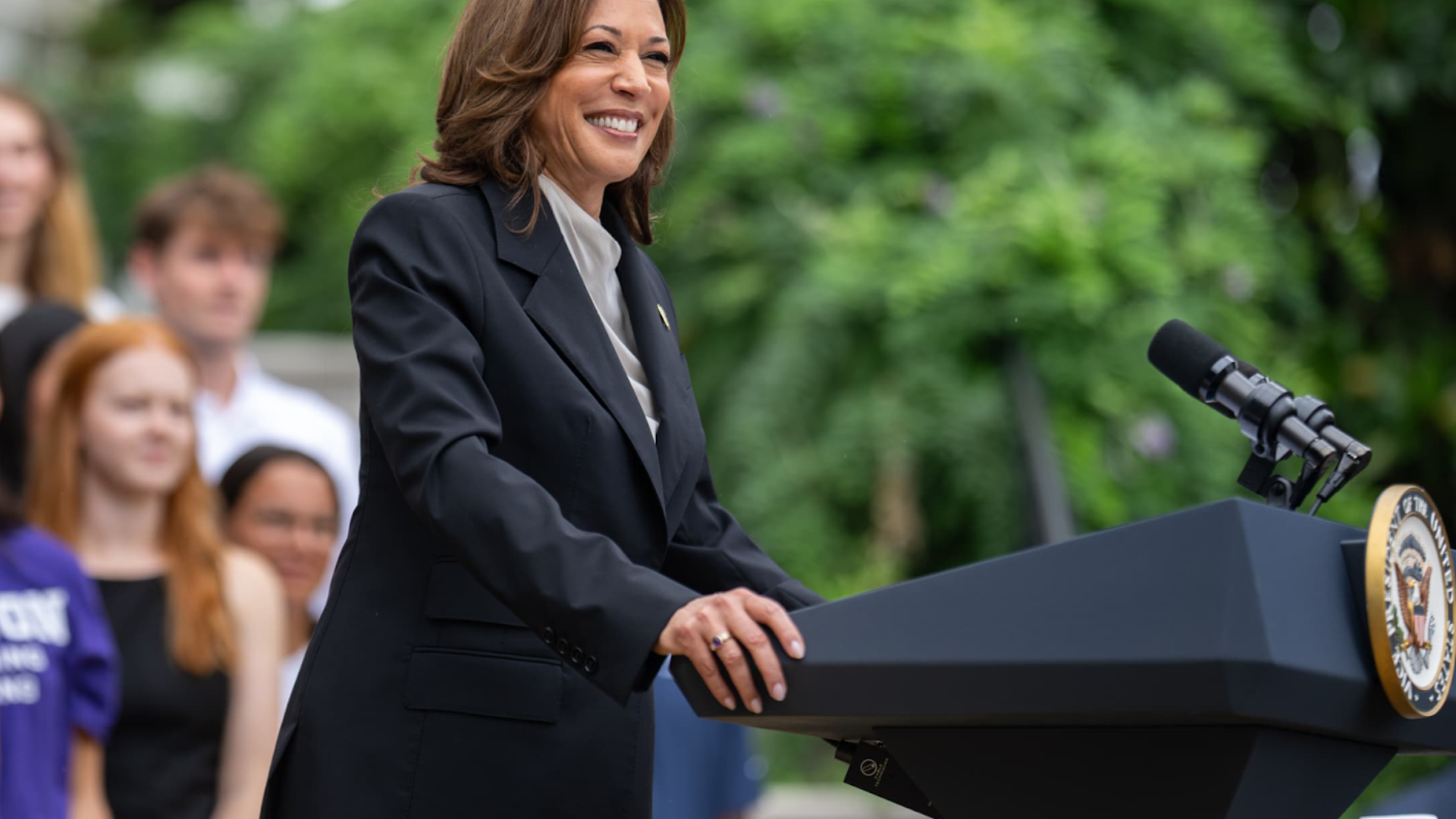
Seeing female leadership in the media while growing up definitely will contribute to your goals and will steer you into what you choose to study in college and how you direct your life.
Having real-life inspiration helps shape the younger generation of women, and you should aspire to be a role model to not just your friends but your colleagues as well as everyone you meet.
Benefits of Female Leadership
- Companies with more women in executive positions tend to outperform their peers in terms of profitability, market share, and overall shareholder returns, according to The National Girls Collaborative Project, which is a blog that highlights the true essentials of female leadership in the workplace.
- Women will usually feel more comfortable working with other women than with men. Improving women's comfort and safety will boost their performance and work quality.
- Groups of diverse workers see higher performance and have higher abilities to solve problems, as stated by the National Proceedings of the National Academy of Sciences of the United States.

Challenges Women Face in Leadership
According to a study done by the University of Cambridge, women have more social anxiety than men. This often stems from parents encouraging their sons as "natural leaders,” which leaves the girls behind.
Societal expectations of women being soft-spoken damage their leadership view by men.
Regular feedback that a man gives is seen as constructive, but when given by a woman, can be seen as rude or demanding.
Wage gaps have always been an issue and, unfortunately, have not seemed to get better over the course of the past ten years when you line women's salaries up against men's.
The 2024 U.S. Census Bureau showed that women who worked full-time made 80.9¢ per $1 made by a man, which is a wage gap of 19.1 percent.
This is worse than the 2023 Census, which presented 82.3¢; this shows a wage gap of 17.3 percent.
This is the largest annual drop in the gender earnings ratio since 1966, and the worst ratio since 2016.
How Organizations Can Support Female Leadership
Thankfully, modern media is encouraging girls to explore male-dominated fields more, whether in STEM programs, blue-collar positions, and beyond.
Thankfully, there are various programs and bootcamps to help hone skills in the company of other like-minded women, such as Sky Society and The European Leadership Academy.
Harvard Business Review shows a new format for inclusive hiring since DEI hiring (Diversity, Equity, and Inclusion) is no longer a federal requirement. They call it the FAIR framework, which focuses on Fairness, Access, Inclusion, and Representation. These four categories can guarantee a fair and equal work environment.
Fairness: Gear up for success by addressing the biases, such as wage gaps, expected performance, and evaluation criteria. Being transparent with employees and taking accountability are key to keeping employees satisfied.
Access: Design an environment that lets inclusion thrive. This includes accommodating religious holidays and adjusting schedules when available. Catering to a diverse range of needs, such as having a prayer room to be used when needed.
Inclusion: Create a work culture where everyone feels supported. This can melt away stress, which leads to better performance. Team-building exercises or sponsored lunches can help push the friendly narrative.
Representation: Establish trust by making sure that leadership is keen to know what is happening in their workspace, so everyone stays comfortable and avoids conflict.
While not only benefiting women, this format can definitely help expand the diversity and equity of the workspace and create a happier and more accessible work environment for female leadership by default.
The Future of Female Leadership Starts With You
Female leadership is not just a workplace trend; it is essential for building stronger companies and a more equal society.
From the trailblazing women in history who broke political barriers, to today’s research showing that diverse teams outperform their peers, the message is clear: when women lead, everyone benefits.
Yet challenges such as bias, wage gaps, and limited sponsorship still hold many women back, which is why intentional support from organizations and continued confidence among women themselves matter more than ever.
Progress will not happen by accident. It happens when women keep applying for the promotion, joining the program, asking for the raise, and taking up space at the table, even when it feels uncomfortable. Step forward, invest in your growth, and support other women along the way.
The next generation of leaders is watching, and the future of female leadership depends on the actions you take today.
🪽 Written by Miriam Garfinkel
join 40k marketing girlies
private Marketing Girly LinkedIn Group
A private community where young women in marketing network, collaborate, and support each other.
the weekly edit
get marketing jobs in your inbox
Join the Sky Society Weekly Edit for marketing jobs delivered straight to your inbox.
We hate SPAM. We will never sell your information, for any reason.