The Truth About Identity Marketing and Polarization
Dec 05, 2025
Whether it was a cleanser promising to clear your skin, running shoes that swore to help cut your mile time, or detergent that assured it would get out that pesky stain; marketing used to be about what a product could do.
Now, products consumers buy signal aspects of their personality. The cleanser you use tells a story about your environmental values on your vanity; your sneakers align yourself with your favorite athlete. Everything we consume signals something to others.
Modern brands don’t just sell items, they sell community. Purchases don’t only show what we own, they shape who we are, or at least who we want to be seen as. That shift has made marketing (and buying things) much more personal, emotional, and therefore, political.
What Is Identity Marketing?
Identity marketing is when brands connect themselves to a group of people emotionally. This connection can be based on personal values, lifestyles, or being part of certain communities. Marketing products based on identity makes consumers feel connected to the brand–not one specific product.
Instead of focusing on a product’s function or price, brands leverage a vibe. Brands use strategic marketing and partnerships to show a consumer who their product will help them be, instead of focusing on what the product does. Marketing becomes about identity, not just selling objects.
From Products to Personas
One major force causing this shift is social media. It gives us more access to everything – and everyone. In the past, print ads, billboards, and TV commercials were the only ways for brands to reach people.
Now, brands exist alongside our friends, influencers, and celebrities right on our phones. They’re constantly available, always just a scroll away.
Building a brand online now means that every interaction is a way to bring in a new consumer. When big brands like Wendy’s respond to commenters on social media, they feel more like a friend than a corporation. This is all part of building a persona–or a personality and identity associated with a brand.
A strong brand persona helps brands earn trust from consumers by showing they exist for more than just profit. By acting human–silly, opinionated, caring–brands make people feel closer to them. This helps brands build a sense of community, as opposed to a one way relationship between buyer and seller.
This is the magic of identity marketing! When a brand feels more like a trusted friend or influencer, buying something feels less like a transaction and more like supporting a person or belief.
The Climate That Made Identity Marketable
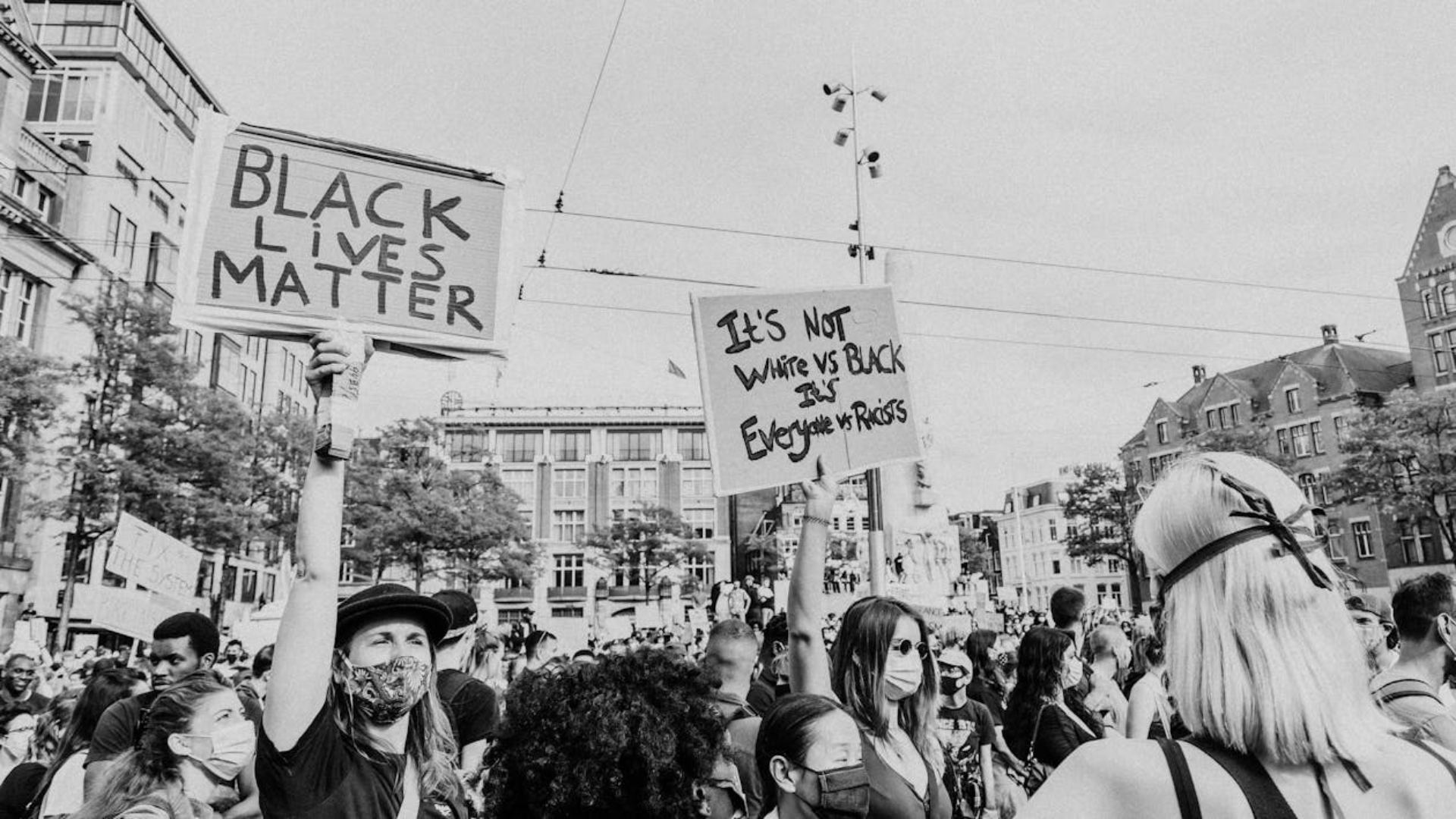
Similarly to how social media’s rising importance affects marketing strategy, so does the political climate. The world has grown increasingly divided over the last decade–and that division has changed how people shop. When political beliefs become a core part of someone’s identity, the line between personal and political disappears.
Meaning, what we buy, what we post, and even where we get our coffee can signal ‘choosing a side’. This phenomenon adds a much deeper layer to the ‘identity’ in identity marketing.
Social media only fuels this fire. Every comment becomes a debate and every opinion becomes public.
Even staying neutral can seem like taking a side in its own way. People don’t only care what their friends and family believe–they want to know what the brands they are supporting believe too. Brands face a difficult paradox.
Some consumers, especially younger generations, want brands to speak up on important issues. Others, however, can be turned off when marketing becomes too political.
It’s a delicate balance: genuine care and action can bring people together, while shallow performances of activism only create more division. This gray area is where terms like greenwashing and rainbow-washing come from: when companies use causes like sustainability or LGBTQ+ rights to look good, without truly standing behind them.
For many people, political issues are inescapable. For members of the LGBTQ+ community, a pride collection is not just a line of t-shirts–it’s a sign that a brand supports a core part of who they are. In such a tense and polarized culture, brands are part of every conversation, related to their offerings or not.
Using identity marketing to create community becomes much riskier when there is such disagreement on what a community should be. And in a time when every post or product can spark a debate, even selling something as simple as a pair of jeans becomes a political act.
When Belief Becomes the Brand
Some companies are able to take the politicized world in stride. Ben & Jerry’s, for example, has always taken strong stances on social issues; the company went so far as to found their own nonprofit in 1988. Ben & Jerry’s is a great example of how social action can be a seamless part of a brand’s identity and messaging.
Ben & Jerry’s cultivates a brand identity rooted in social justice, attracting likeminded consumers in the process. It helps, of course, that their ice cream is so delicious as well!

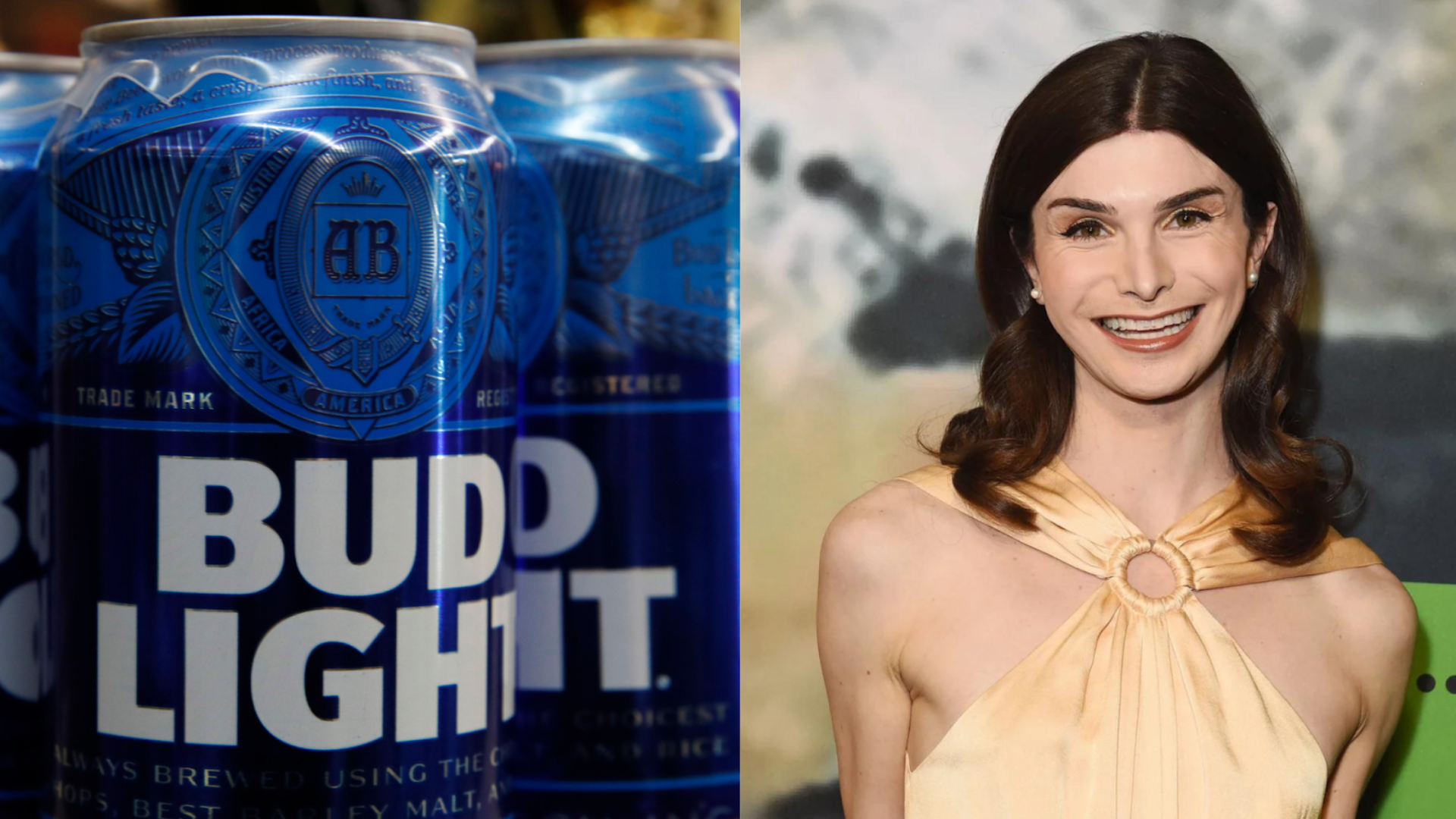
Other companies do not have as much success. Countless brands have gambled on marketing that took a stand and faced extreme backlash. A recent example is Bud Light.
Bud Ligh launched a campaign in 2023 featuring transgender influencer Dylan Mulvaney on social media. The backlash was severe, and Bud Light faced a sharp drop in sales.
Why did it go so badly for them? Bud Light had fostered a broad, non specific community that included a lot of older consumers.
By including Dylan as an attempt to appeal to younger beer drinkers, they alienated their core consumer without cementing a new consumer base. Bud Light may have wanted to pivot to being the beer that everyone (including members of the LGBTQ+ community) drinks, but they moved too far away from the identity that they had already established.
For Ben & Jerry’s, their social justice marketing aligned with their consumer identity. For Bud Light, it did not. These two companies highlight the risk and reward of taking a political stance in identity marketing. In order for it to work, it has to fit the brand and its consumers.
Conclusion: The Price of Belonging
When used well, identity marketing can be some of the most compelling messaging a brand can use. When it goes poorly, it can undo years of growth almost overnight. At its core, the riskiness of identity marketing reveals that consumers just want to feel like they belong.
Liking a brand is no longer just about enjoying their product. It’s about feeling seen, represented, and connected to a brand’s world.
Belonging built on branding can only go so far. It’s fair, and necessary, to hold companies accountable. But, it’s equally important to build community and belief that is not defined by what we buy. It is okay–and important–to want our favorite brands to stand for something, as long as we as consumers remember what we stand for, too.
✍️ Written by Whitney Clarfield
join 40k marketing girlies
private Marketing Girly LinkedIn Group
A private community where young women in marketing network, collaborate, and support each other.
the weekly edit
get marketing jobs in your inbox
Join the Sky Society Weekly Edit for marketing jobs delivered straight to your inbox.
We hate SPAM. We will never sell your information, for any reason.