Nano-Influencers: The Rising Niche Stars Of The Digital World
Dec 05, 2025
Are you still chasing big-name influencers while your audience scrolls past their content?
Your best performing collaboration might have fewer followers than your intern. Social feeds are filled with polished, macro content – and consumers are tuning it out.
At the same time, smaller creators with just a few thousand followers are quietly smashing engagement and conversion rates. As influencer marketing spend rises, your brand no longer needs to ask, “Should we work with influencers?” It should be asking: “Are we working with the right ones?”
So… What Is A Nano-Influencer?
Chances are, if you’re active on social media, you’ve encountered an influencer (or a few). In the last decade or so, the digital landscape has exploded with content creators boasting massive follower counts. This has paved the way for major trend shifts in marketing.
UGC (user-generated content) is a key strategy for brand visibility and conversion. In fact, influencer marketing spend in the U.S. is expected to reach over 10 billion USD this year!
With influencer content dominating the feed, some creators have risen to macro status: 100K to a million followers. Yet, recent trends have shown consumers are starting to favor smaller creators. Enter the nano-influencer.
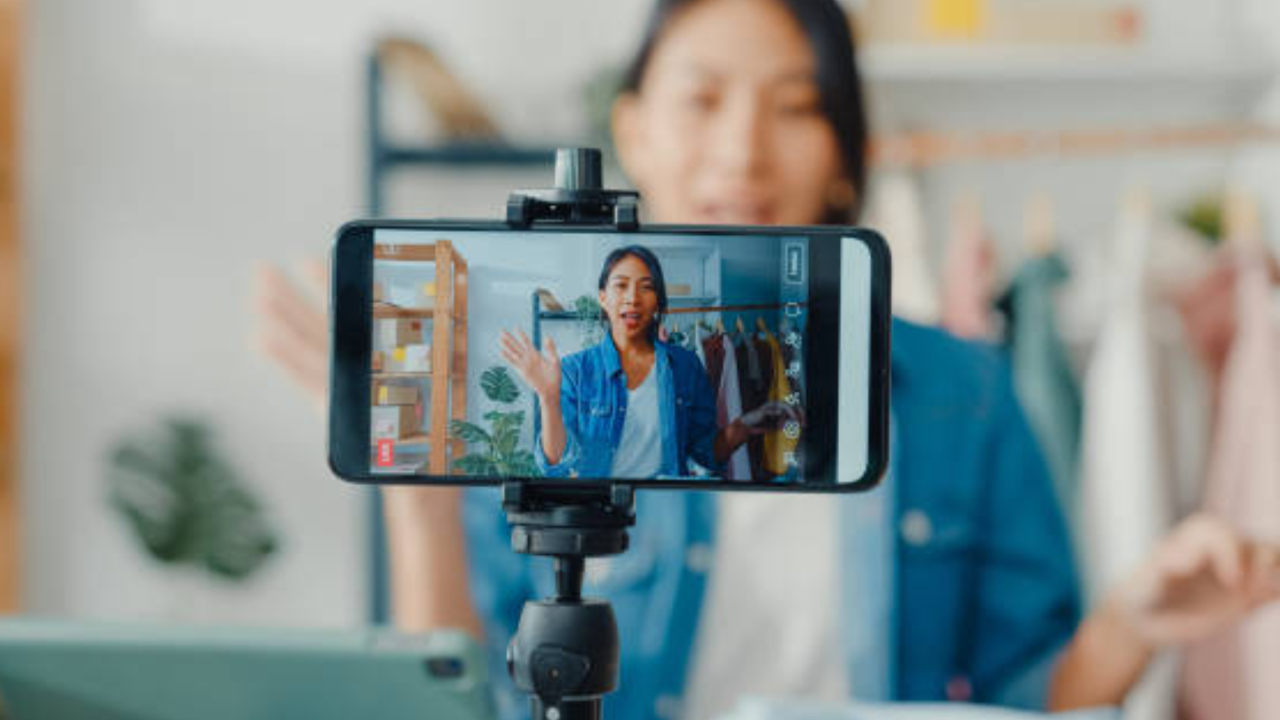
A nano-influencer is generally defined as a creator with a follower count of 1K to 10K. They’re niche leaders, creating content that is relevant, relatable, and catered to a specific community. Small but mighty, they possess a limited and engaged audience base.
Followers are more likely to have a genuine interest in their content – and they’re not rare. On some platforms, nano-influencers make up the majority of creator accounts, forming the backbone of the influencer ecosystem.
Everything is Algorithmic
In the era of the algorithm, brands have become somewhat alienated from consumer journeys. Social media is tuned into our interests, pushing feeds made to fit what's "for you." Engagement with brands is now shaped by the scroll.
Gen Z consumers progressively rely on their algorithm to inform their purchasing habits.
Gen Z consumers are active algo trainers: virality doesn't have the same impact as before. Social platforms are saturated with influencers sharing the same content or marketing the same brands, and consumers are fatigued.
Now, likes, saves, or even hitting the "ignore" button are conscious actions used to train the algorithm on what they want to see.
This level of customization poses a challenge for brands: how can this new generation of consumers be reached? Archrival notes a key switch that is at the core of this new era: swapping control for community.
Brands are no longer the center of the consumer journey. What resonates now is people – human-centered content and marketing.
Authenticity Economy: Tapping into Niche
As a result of the shift to highly personal algorithms, niche marketing has moved to the forefront of brand strategy. A key marker of Gen Z appeal is authenticity: how they perceive an influencer's real attachment to a brand and its values.
With an oversaturated influencer marketplace, consumers are increasingly searching for “realness.” If an influencer partners with a brand that doesn't align with what they usually post, consumers tune out. This is driven by a desire for digital community centered around shared interests.
It’s no longer about high quality, polished content – it’s about connection. 81% of Gen Z say they prefer influencers who foster that digital space, as opposed to simply marketing a product to them.
Niche marketing is where nano-influencers shine. They have that core audience they’ve built a personal connection with, enhancing trust and their authority within a niche.
The algorithm is on their side as well, as consumers continue to curate their feeds to show what they prefer. This positions them well to resonate with consumers when partnering with a brand. Most importantly: consumers don’t see them as influencers; they see them as a friend sharing an honest opinion with them.
Vanity is Out, Engagement is In
A greater trend being seen in the marketing world is a shift away from vanity metrics. Having thousands of likes on a post or millions of followers is nice in theory, but this doesn’t always translate into conversions. Nano-influencers, though working on a smaller scale, have much greater potential for meaningful engagement on branded content.
73% of brands prefer to work with smaller creators as they offer the strongest engagement-to-cost ratio. According to Later’s 2025 Influencer Marketing Benchmark Report, nano-influencers had the greatest impression rate, and the second highest engagement rate.
Influencer Marketing Hub’s 2025 Benchmark finds that nano-influencers drive around 2.5-2.7% overall engagement compared to under 1% for mega-influencers. On TikTok, their engagement can exceed 10%, largely outpacing their bigger counterparts.
The targeted audience of a nano-influencer is a key strategy factor for reaching the right consumers. Already built into the partnership, nano-influencers’ specialization helps brands to streamline a campaign.
Studies show that 92% of consumers trust nano-influencers more than bigger names. Gen Z equates a smaller follower base with genuine investment in a brand and informing their audience, as opposed to a monetary grab.
Instead of casting a wide net and hoping for the right consumer to come along, your brand is placed in front of the audience most aligned with it– and those most likely to convert.
How Nano Campaigns Can Work for Your Brand
If your goals are increasing brand awareness, driving conversions, or nurturing leads, nano-influencers are a great pick. Not only do they magnify brand visibility and campaign outcomes, but they can also be a cost-effective option when it comes to budget.
A key factor in working on a brand collaboration with a nano-influencer is allowing them the freedom to create.
They know their audience and niche best, and have built consumer trust based on that. When a brand allows an influencer to stick to their style, the end result is much more organically resonant. Over two-thirds of consumers feel the best partnerships are honest and unbiased.
Align with them on how you want your brand to be represented, but draw from their content, skills, and style. One recommendation is using examples from their prior collaborations to share what you like about their content.
Once a campaign has gone live, the work isn't done yet. Building on the momentum of a nano-influencer's tuned-in community, your brand has the prime opportunity to show up.
Respond to comments. Repost their content. Highlight UGC on your own channels. When you show up in the same digital niche spaces your target audience trusts, you reinforce the authority that drew them there in the first place.
Nano-influencers also become significantly more valuable when you invest in that relationship. Long-term collaboration signals commitment to both a creator and their community.
Over time, this deepens loyalty, strengthens brand association, and makes every piece of content feel less like an ad and more like the trusted recommendation of a friend.
What Should Your Brand Do Next?
Audit your current influencer strategy. Identify how much of your budget is going toward macro creators in comparison to smaller, niche voices.
Locate five to ten nano-influencers already leading the conversation around your niche, values, or pain point – not just your product. Start small, but think long-term relationship building.
Test out a couple collabs, measure engagement and conversions, and then nurture partnerships with the creators who demonstrate true resonance with your audience. The brands with the most success in influencer marketing won’t be the loudest… they’ll be the most trusted.
If your next campaign brief is still centered on follower count and numbers over engagement, it might be time to restructure. Start by finding one nano-influencer who already feels like a friend to your ideal customer, and build from there.
✍️ Written by Catherine Santora
join 40k marketing girlies
private Marketing Girly LinkedIn Group
A private community where young women in marketing network, collaborate, and support each other.
the weekly edit
get marketing jobs in your inbox
Join the Sky Society Weekly Edit for marketing jobs delivered straight to your inbox.
We hate SPAM. We will never sell your information, for any reason.