Make Your 2026 Campaigns RIGHT By Inclusivity In Marketing
Feb 11, 2026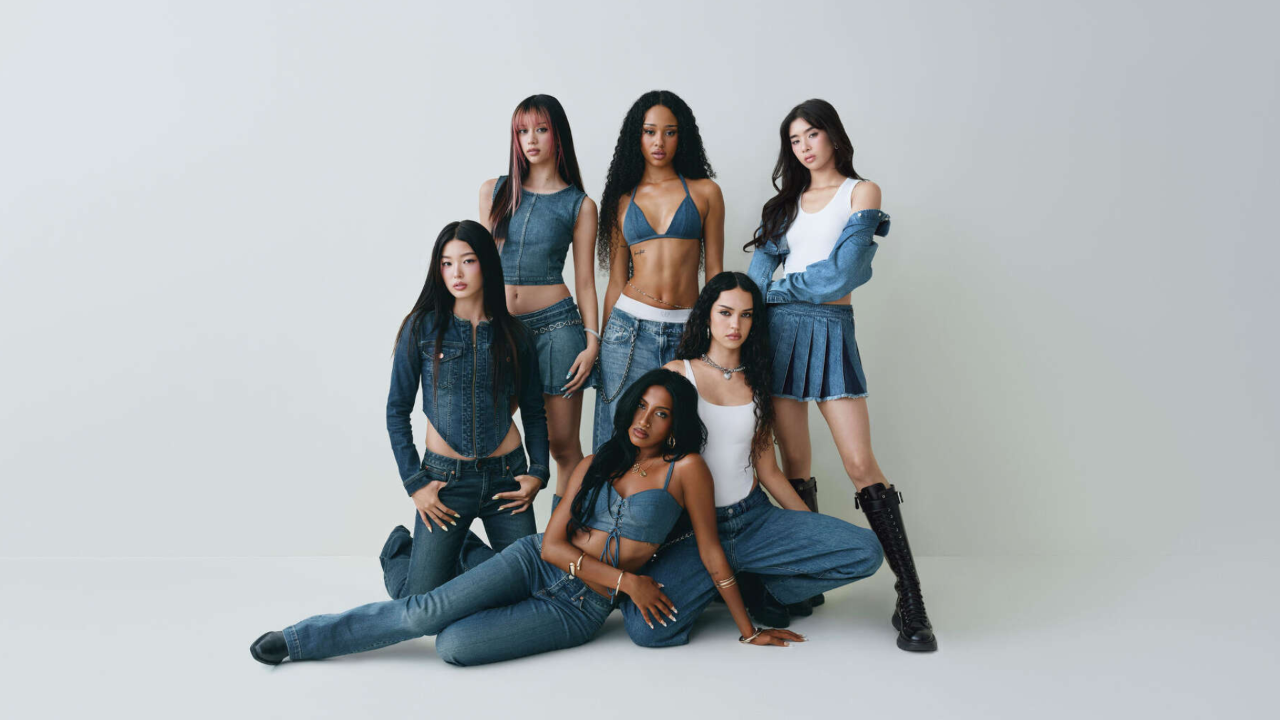
In 2026, we are no longer marketing the unattainable to consumers.
Instead, we are letting them know it’s outside their door through inclusivity in marketing.
At a time when Gen Z is projected to account for nearly 50% of retail spending by 2030, companies must shift their branding and marketing to reflect what they value: diversity and inclusivity.
We are not only seeing this trend with GenZ, but across all consumers, with 75% of consumers stating that inclusion and diversity in a brand impacts their buying decisions. This is reflected in the rise of influencers, particularly those who curate their entire persona on the idea of authenticity and inclusivity, and audiences trusting their word over celebrity partnerships.
Inclusivity is knocking on your door…
Many companies have begun to take note of this, shifting from solely relying on the values in their product and making inclusivity a part of their marketing and branding.
In all of these new brand rollouts, there were 3 campaigns that stood out and proved the success of prioritizing inclusivity in marketing, as well as overall in product making and branding. These are the campaigns that need to get added to your moodboards and notes if you want to make 2026 a year of success for you and your consumers.
TirTir x MissDarcei
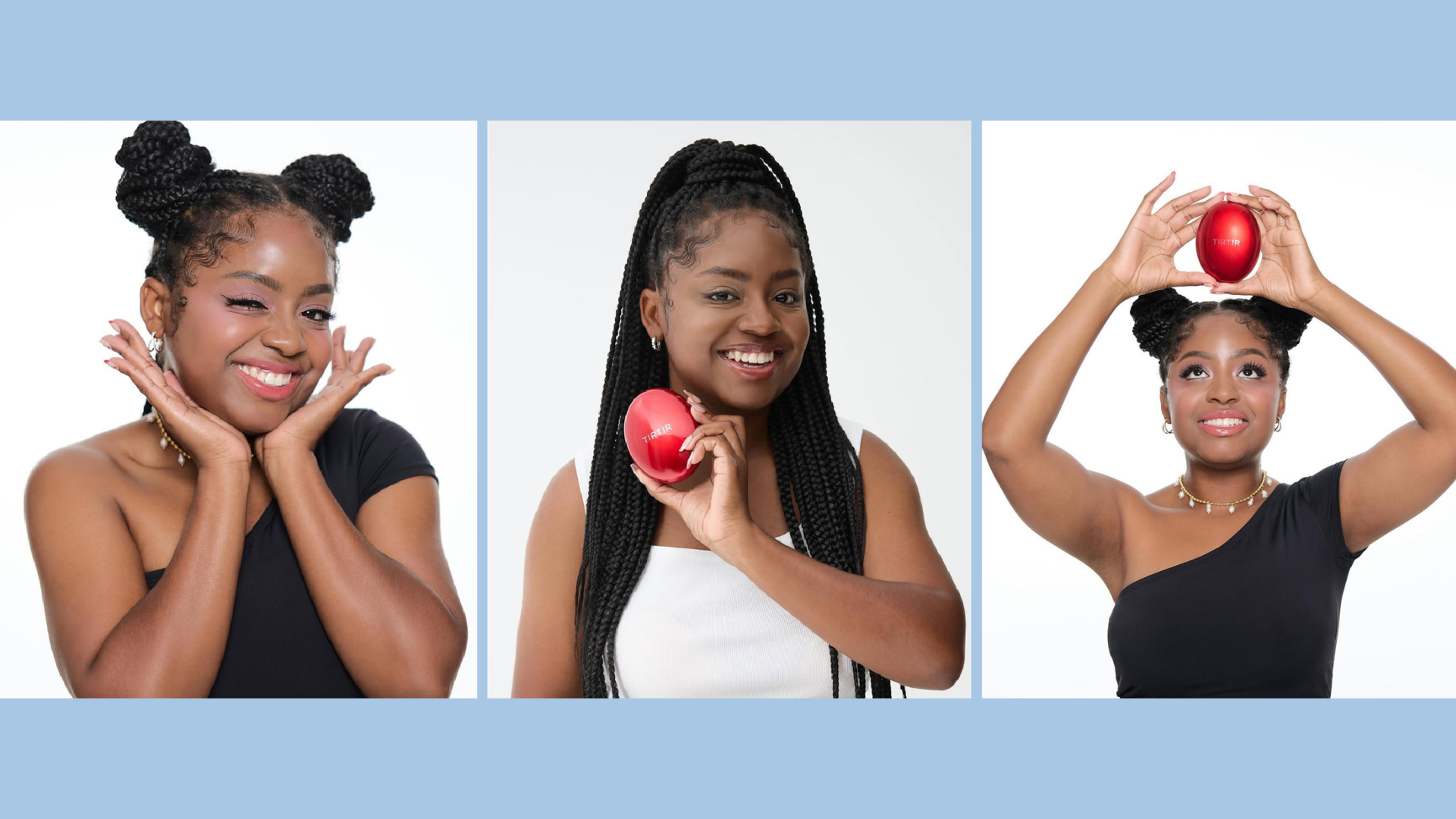
TirTir, a famous Korean beauty brand, is the perfect example of how prioritizing inclusivity in marketing can pay off in unpredictable ways. This partnership first began when Miss Darcei, a beauty content creator with over 7.5 million followers across all of her platforms, posted a video testing out their cushion foundation that was popular in Korea.
After finding out TirTir had only 9 shades of the foundation at the time, none of which matched her skin, she urged them to release more shades as she liked the product and wanted one that worked for her.
Many Korean beauty brands do not carry inclusive shade ranges, to the point where those with a deeper skin tone in Korea created their own inclusive brand because of the lack of available products for them. TirTir set themselves apart from other Korean brands with their next move by listening to the demands of inclusivity from Darcei and other consumers.
Within a month of Miss Darcei posting that video, which garnered 26M+ views on TikTok alone, they not only released 11 new shades of their cushion foundation, but they also became the Korean brand with the largest shade range and partnered up with Darcei to deliver the news.
Another month goes by, and they increase their shade range again with 10 new ones, going into the deepest of shades, and sharing that they were working on even more shades.
This quick move of prioritizing inclusion gave TirTir a massive global following and domination, with the videos that Miss Darcei shared across all platforms gaining over 200M+ views.
TirTir’s success on their cushion foundation rollout was solely on shifting its branding as inclusive, making sure each of their products was suitable for everyone, and consistently collaborating with Darcei, who aligned herself with TirTir completely over the shared value of inclusion.
Laneige x Golloria
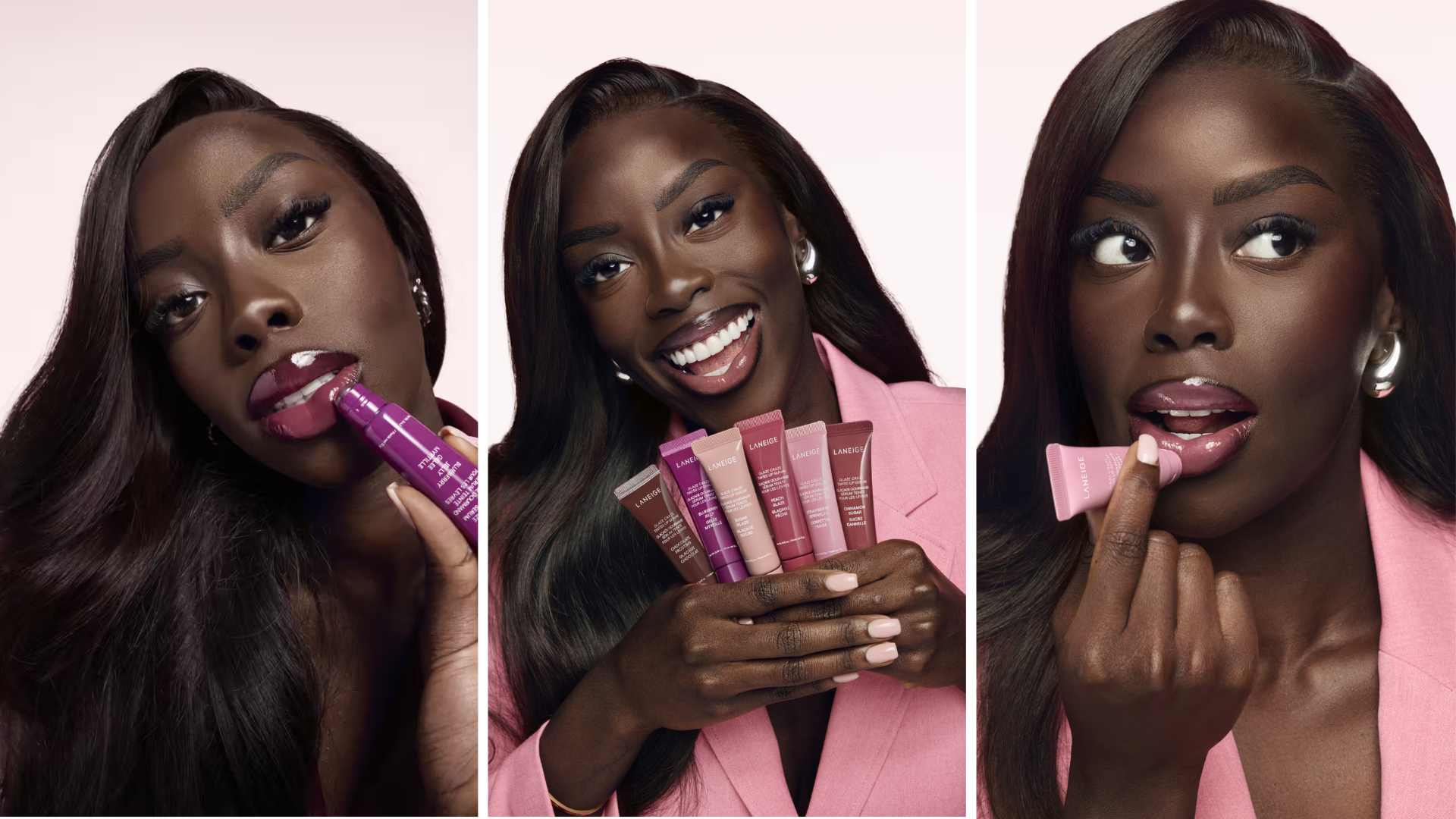
Golloria is a very influential content creator in the makeup space, with her main form of content being to rate brands that claim to be inclusive and putting them to the test. This content has gained her a loyal audience that loves her authenticity and trusts her opinions when it comes to inclusive brands.
Laneige, a popular Korean beauty brand, released Glaze Craze Lip Serum with a limited selection of shades and was shortly met with complaints on how the shade range should include more for those with deeper skin tones.
After recognizing how highly valued inclusivity in marketing is and having done previous collaborations with Golloria, they partnered with her to create the perfect rollout and introduce 2 new shades of the lip serum product line for those who felt excluded in the original release of the product line.
During this campaign, they made Golloria the face for the new shades of the lip product through product photoshoots, hosting a Laneige pop-up with her, and unveiling the additional colors through Golloria’s platforms.
The videos posted by Golloria, which gained over 22M+ on TikTok alone, highlighted not only how well the lip serum itself was, but how the shades can work for any individual, regardless of skin tone. Even in the product shots on the Laneige website, they make sure to show how it looks on every skin tone.
Viewers who saw the marketing for this product frequently commented how they were going to purchase the lip serum for their trust in Golloria as an influencer who prioritizes integrity and inclusivity, and also because Laniege created and marketed a product that was going to work for themselves.
Laniege’s success with this campaign highlights the significance of not only creating and marketing an inclusive brand but also aligning yourself with an influencer who shares the same value of inclusivity, as it is a key factor to making sure your brand is seen by the right audience.

GAP x Katseye
GAP has a long history of prioritizing inclusivity in marketing, making it known to their consumers that they value diversity, equality, and the inclusion of all communities through their brand.
Katseye is a new, diverse girl group that is skyrocketing in popularity, not just because of their talents, but because many of their fans see themselves in the girls.
Katseye consists of 6 girls, each coming from different ethnic backgrounds, which they are proud of and is something they make sure to highlight through their collaborations.
With how their values align, it only makes sense for GAP to partner with Katseye. After collaborations with Troye Sivan, Tyla, and now Katseye, it is clear that GAP prioritizes inclusivity in their brand down to the artists they work with.
Seeing how this marketing campaign with Katseye ended up being extremely popular, getting 153M+ views on just TikTok alone, it is clear that GAP’s branding on inclusion is a recipe for success.
GAP’s main advertisement of Katseye dancing to a revamped version of “Milkshake” by Kelis became so popular that it was hard to escape it. Fans of both the group and brand began to trend the ad, purchasing the denim just to recreate the iconic moment.
Many others purchased from the brand simply because they were able to finally see a resemblance to themselves in the girls, never thinking they would see someone like them in a campaign as big as the GAP x Katseye one.
Through this marketing campaign with Katseye, GAP was able to secure current and new consumers simply because they prioritize diversity and inclusion in all aspects of its branding. Many brands assume that inclusivity is a risk to the perception of their branding or that it will significantly cost them, when in reality, it's the opposite.
Are you letting inclusive marketing in?
It’s clear to see, in both the consumer statistics and successful campaigns, that aligning your brand with inclusivity in marketing and prioritizing diversity across campaigns is the RIGHT way to market your brand in this new year.
Implementing inclusion is the secret ingredient to executing the perfect marketing campaign. It allows a brand to form true connections with its consumers and gain a more positive perception, ultimately benefiting the company in the long run.
With inclusivity knocking on your door and ready to set your 2026 marketing campaign up for success, the only question left unanswered is if you’re ready to invite it in.
🪽 Written by Asli Osman
join 40k marketing girlies
private Marketing Girly LinkedIn Group
A private community where young women in marketing network, collaborate, and support each other.
the weekly edit
get marketing jobs in your inbox
Join the Sky Society Weekly Edit for marketing jobs delivered straight to your inbox.
We hate SPAM. We will never sell your information, for any reason.