Immersive Marketing: The Best Emotion-Fueled Strategy Every Brand Needs
Nov 27, 2025
In a world of short attention spans, brands struggle more than ever to capture our attention.
Most people overlook the media they run into, such as billboards, commercials, and magazine covers.
Consumers today are easily distracted, which causes them to miss brand messaging. Thus, brands face low customer engagement and decreased brand loyalty. So, how can brands appeal to consumers?
What is Immersive Marketing?
The answer? Immersive marketing is a brand storytelling method. It draws people into a brand's world using experiences, feelings, and interactions. Immersive marketing goes beyond words and images. It uses multisensory technologies to engage customers in every aspect.
Brands can go beyond telling stories or displaying products. They can use immersive marketing to create experiences that connect with customers' emotions. Immersive marketing often blends the physical and digital worlds through tools such as:
- Augmented Reality (AR): AR adds digital features to the real world. You can see these elements using smartphones, tablets, or glasses. It adds images, sounds, or animations to everyday products. AR enhances our real-life view by mixing virtual content with what is around us.
- Virtual Reality (VR): A technology used to explore and interact with computer-generated worlds. VR lets users dive into a complete virtual world with special headsets or goggles. It blocks the real world and brings in a realistic 3D digital environment.
- Mixed Reality & Experiential events: Think of pop-up stores, brand activations, and art exhibitions. These events mix tech with interactive brand experiences. They bring the brand's identity to life and make its story come to life.
The power of immersive marketing lies in making people feel something real. By tapping into people's emotions, the experience drives memory, which then drives loyalty. Many top fashion and beauty brands know this truth is key to future marketing success.
Fashion and beauty embody identity, self-expression, and emotion. They motivate people to be creative and turn dreams into reality. This makes these industries ideal for immersive marketing.

AR Immersive Marketing in Fashion & Beauty: Virtual Try-Ons and Personalized Experiences
Beauty brands are using AR to make shopping more interactive and personal. Sephora, L’Oréal, Maybelline, MAC, and Charlotte Tilbury are at the forefront of immersive AR marketing. These brands have integrated AR into the customer experience journey in a myriad of ways. AR allows for virtual makeup try-ons and personalized product recommendations.
It lets customers try on products in real time, such as lipstick, foundation, and eyeshadow. AR features work through smart mirrors and apps. The technology is driven by facial recognition, machine learning, and real-time rendering tech.
The features map facial features such as eyes, lips, and nose, as well as bone structure and even skin tone. Virtual try-on technology adds 3D cosmetic textures and colors, creating the effect of real products on a customer's skin.
In the fashion world, virtual try-ons are clothes or shoes tried on using 3D technology, rather than in person. Gucci and Ralph Lauren are brands that have added AR try-on features to their mobile apps. Gucci lets shoppers “try on” their iconic sneakers and see how they look on their feet. Ralph Lauren takes it a step further by offering interactive fitting rooms.
Customers can visualize various clothes on a digital avatar or a mirrored screen. AR immersive marketing allows customers to shop in many convenient and efficient ways. It also simplifies the buying process.
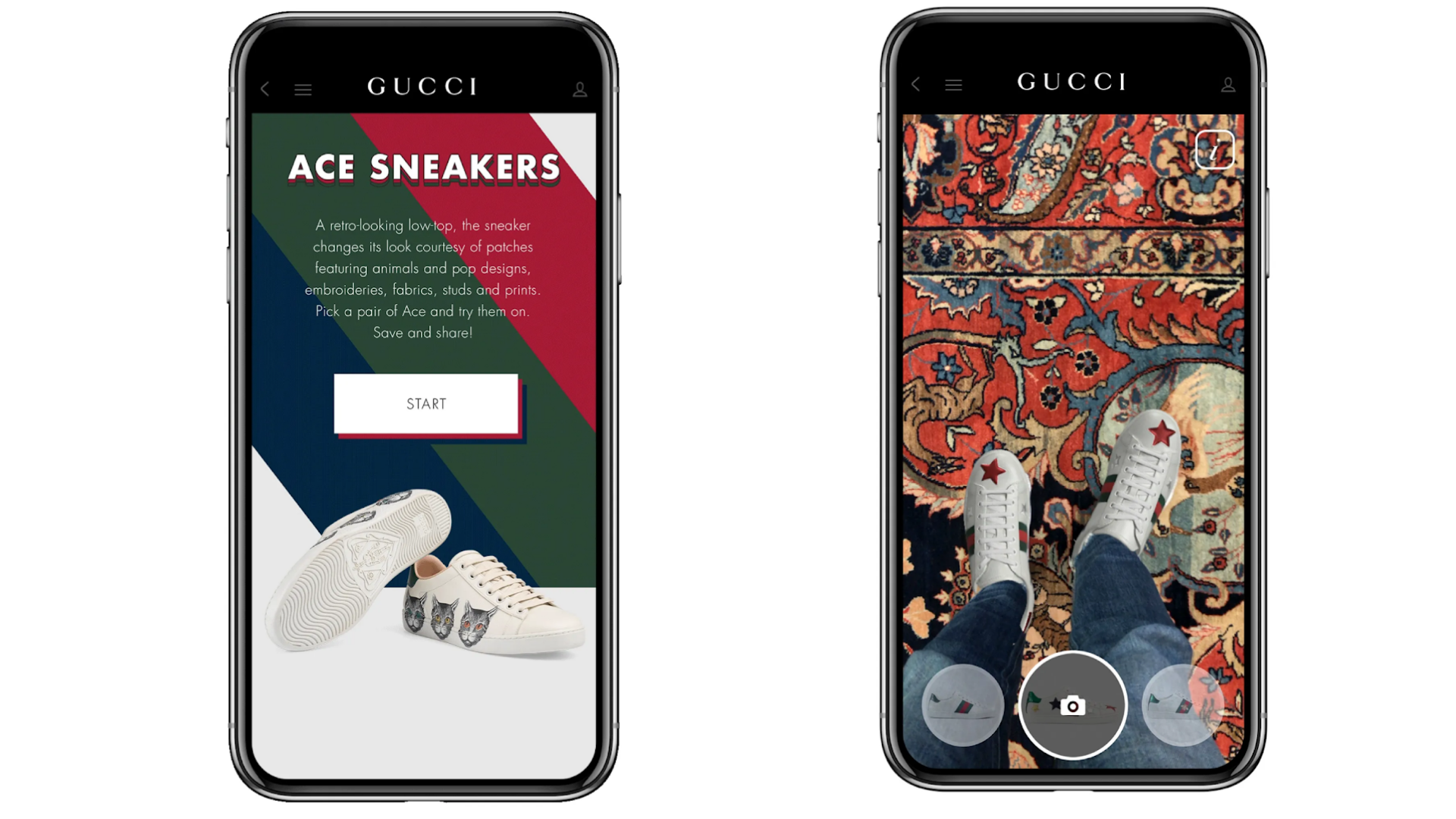
AR immersive marketing has enabled these brands to boost product discovery. It also establishes new benchmarks for digital-first beauty experiences. AR removes the uncertainty and doubt customers feel when shopping online. It builds trust and engagement, reduces returns, and helps customers feel more confident when buying.
VR Immersive Marketing in Beauty & Fashion: Virtual Fashion Shows, Virtual Stores/Showrooms and Digital Worlds
Virtual Reality immersive marketing immerses people in an interactive, hyper-realistic world. They can explore content from fashion and beauty brands in a whole new way. Fashion and beauty brands draw customers in with their brand story. They offer enticing digital experiences that reach beyond screens and stores.
Balenciaga, Dior, and Tommy Hilfiger are redefining the runway in the luxury fashion industry by using VR for their fashion shows. Now, fans all over the globe can attend fashion shows. They can experience it all with a headset or their phone.
VR fashion shows offer a tech-savvy way to make fashion weeks accessible to more people. They help brands gain visibility for product launches by creating a global and immersive experience.
In 2020, Balenciaga introduced a virtual runway named Afterworld: The Age of Tomorrow. Players can "walk" through the brand's collection and explore a video-game-like, futuristic world. These experiences engage audiences who enjoy taking part rather than watching ads.
In 2024, the brand launched an app with Apple Vision Pro for its Spring/Summer 2025 collection.
The app lets users explore the show through an interactive lookbook and past collections, elevating the immersive experience.

Another VR method emerging is virtual stores and showrooms. Gucci, NARS, and Estée Lauder have all launched virtual stores where shoppers can explore products from different angles and buy items in a virtual space.
Gucci took it up a notch by launching Gucci Garden on Roblox. This virtual world features interactive art, fashion shows, and exclusive digital items. The campaign drew more than 20 million visits and earned $1.2 million in virtual sales.

These examples show how luxury brands can use immersive platforms to increase engagement and create new digital revenue. They mimic the real in-store shopping experience by making shopping easier and more efficient.
VR also helps brands become more sustainable and sparks design innovation. It enables designers to create and test clothes digitally before production.
This reduces waste and saves time by offering a virtual space to visualize fabric, texture, and outfits. It helps make production more innovative and more eco-friendly while making brands more attractive and connected to their audiences.
Experiential Pop-Ups and Brand Installations
Some of the most memorable brand moments happen offline but with an immersive twist. For example, Glossier gained its in-store shopping fame through its pop-up stores.
These stores resembled art exhibits, with pink-walled rooms in cities such as Boston, San Francisco, Seattle, and London. Customers could try products, explore freely, and snap photos to share online.
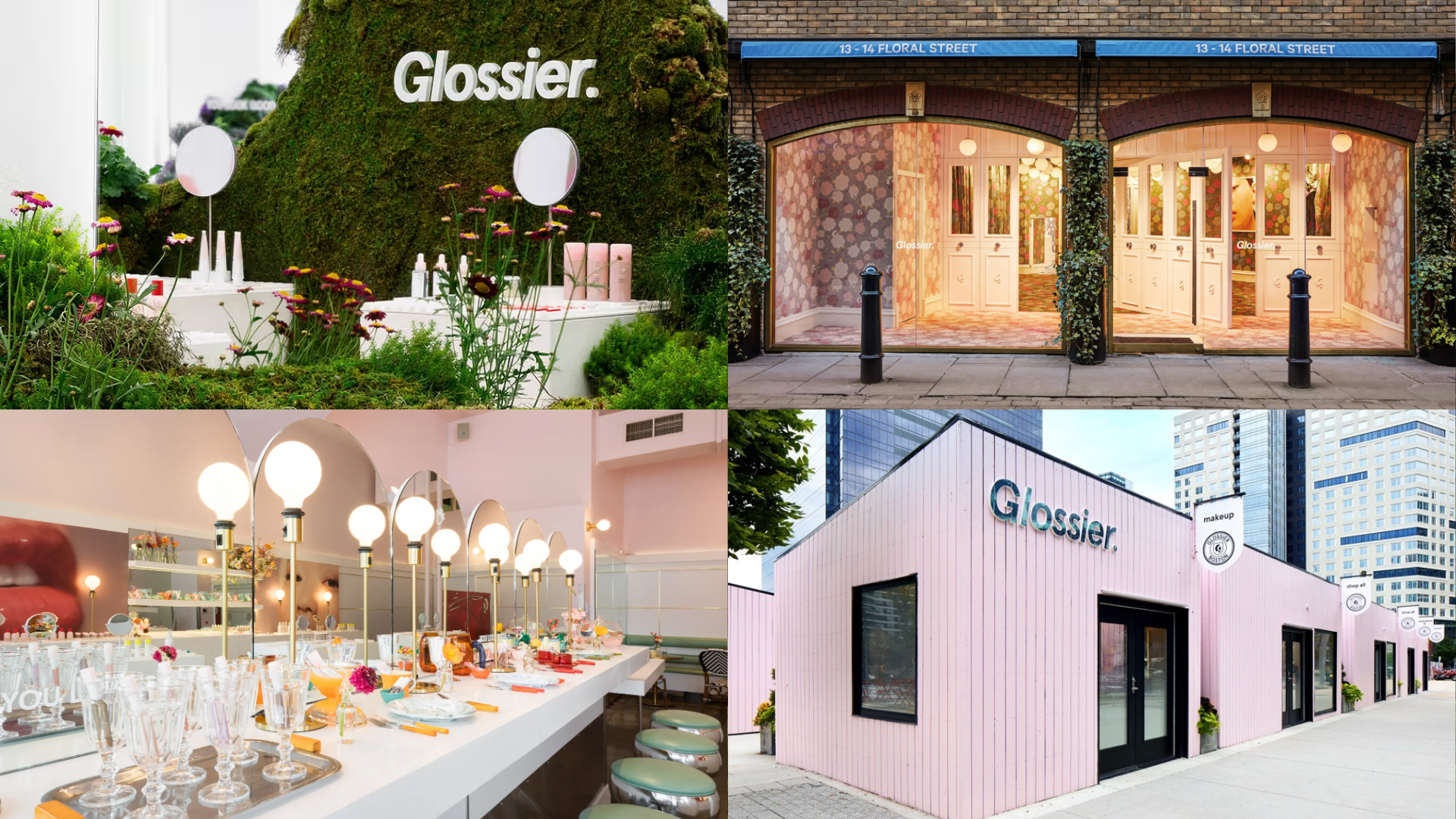
Dior and Fenty Beauty also hosted similar immersive marketing events. They combined product sampling with storytelling, light shows, and hands-on displays. Brand pop-ups and festival activations are now key marketing strategies. They help brands reach new audiences through fun and memorable experiences.
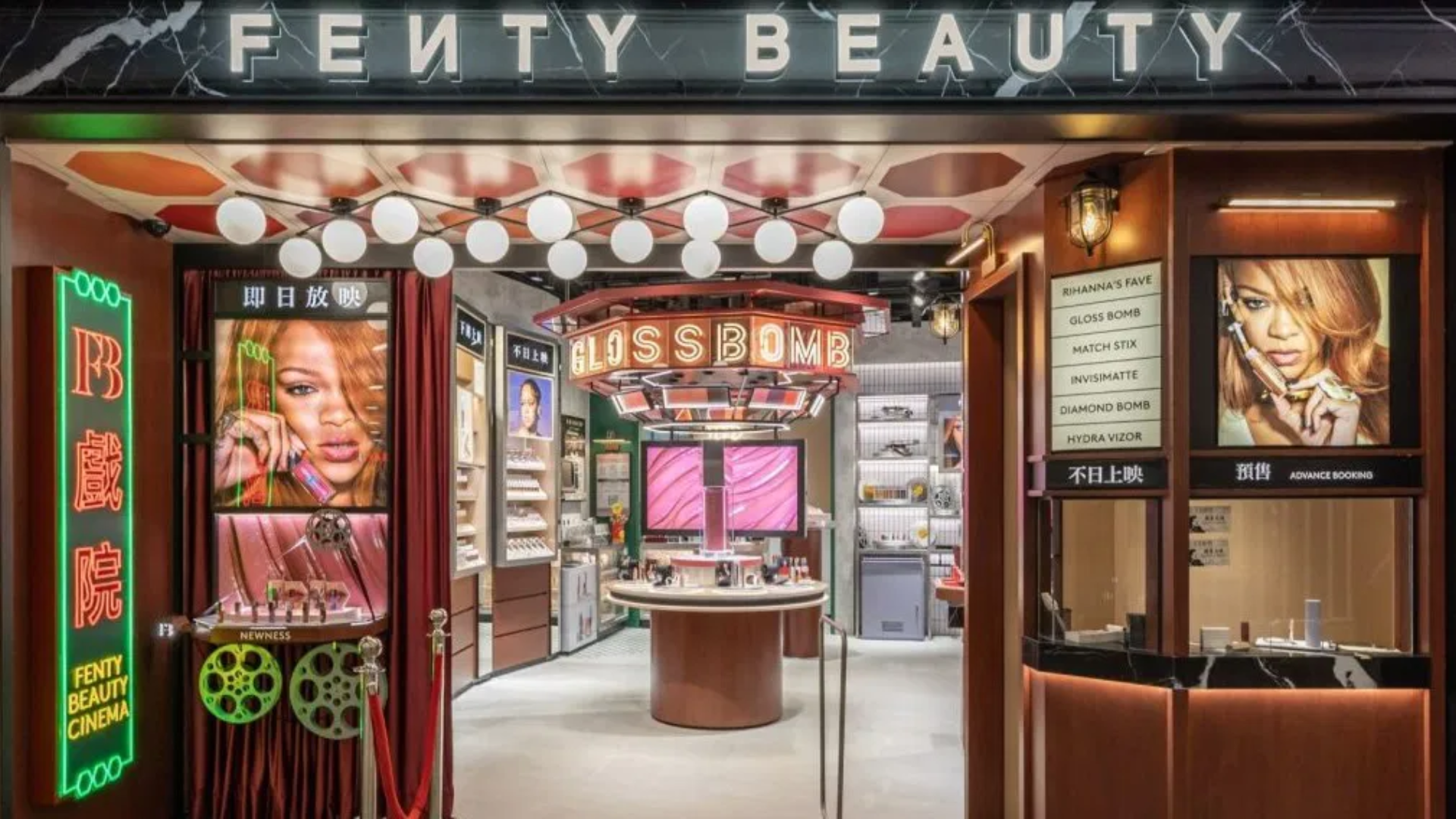
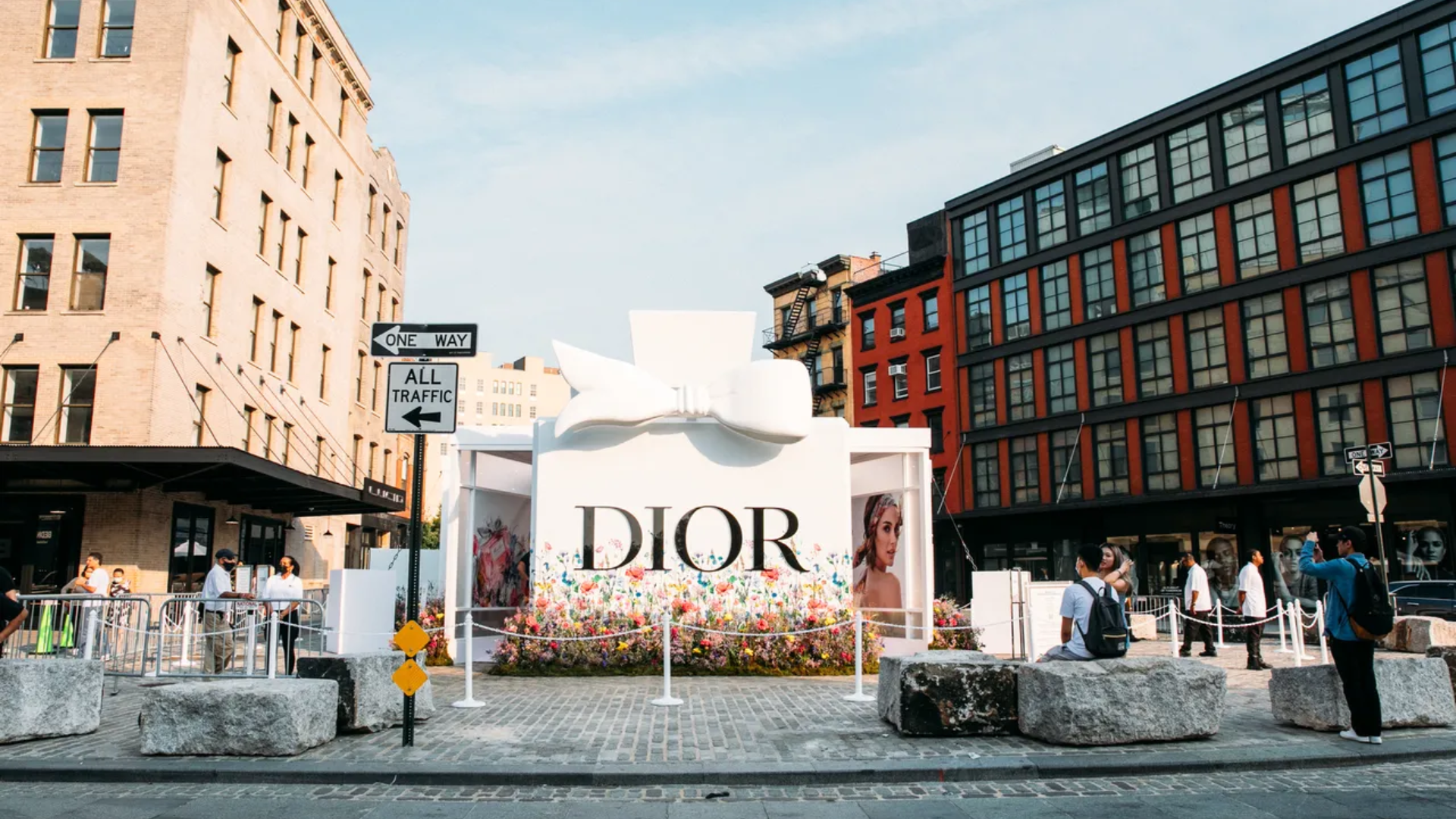
These experiences focus on social interaction. Participants take pictures and share them online. This organic sharing helps spread the brand’s story. In this way, customers become part of the immersive marketing engine.
The Psychology Behind Immersive Marketing
Immersive marketing has reshaped how people shop, discover, and engage with brands. This transformation is key to its success. The multisensory cues and emotional engagement drive brand loyalty. We naturally remember experiences that engage our senses such as sight, sound, touch, smell, and even temperature.
When we use our senses, we have embodied experiences. These experiences allow our brains to form strong, lasting memories.
Virtually trying on a product or visiting an exciting pop-up makes a larger impact. It makes customers part of the brand's world, rather than watching from the sidelines.
In a world that’s becoming increasingly digital, customers crave authentic, interactive experiences. Immersive marketing meets the desire for meaningful connections. It makes a brand seem relatable, vibrant, and genuine.
The Future and Technology: Powering the Feeling from Experience to Empathy
Brands understand they need to change their marketing approach. They are moving from an attention economy to one that focuses on emotions. The next phase of immersive marketing will feel more human rather than high-tech.
Data personalization and immersive technology will help shape emotional resonance. However, brands should be mindful of the ethical impacts of technology. They must aim to create authentic connections, not manipulate emotions.
The Bottom Line
Immersive marketing represents a fundamental shift in how brands communicate their story. It lets customers become part of the story, creating a strong emotional bond. In a sea of choices and fierce competition, emotions will be what sets brands apart.
They will drive brands forward. Immersive marketing isn’t just the future; it’s the new standard.
✍️ Written by Mika Chan
join 40k marketing girlies
private Marketing Girly LinkedIn Group
A private community where young women in marketing network, collaborate, and support each other.
the weekly edit
get marketing jobs in your inbox
Join the Sky Society Weekly Edit for marketing jobs delivered straight to your inbox.
We hate SPAM. We will never sell your information, for any reason.