How Advertising for Women Can Make You Profit
Apr 03, 2026
In 2026 alone, about 75% of purchases were driven by women. Yet brands still try to keep advertisements tied to outdated stereotypes.
Data shows a competitive advantage for brands that target women.
These advertisements come with research on original personas, inclusivity, and authentic stories that reflect a diverse range of real life across groups of all ages and cultures.
This shift not only strengthens brand trust but also creates deeper emotional connections with consumers.
Where Women Hold The Decision Power
Women influence the majority of household purchases of categories that are deemed male-dominated.
The dominant categories are: education, home technology, financial services, automotive, travel, and 85% of household health purchases.
Women justify their purchases by researching products online, through friends, and within communities, rather than buying on impulse.
Taking note of these stats, brands like Nike, Porsche, and the Royal Bank of Canada have started shifting their advertising budgets toward women to build their trust with customers and be seen as progressive.
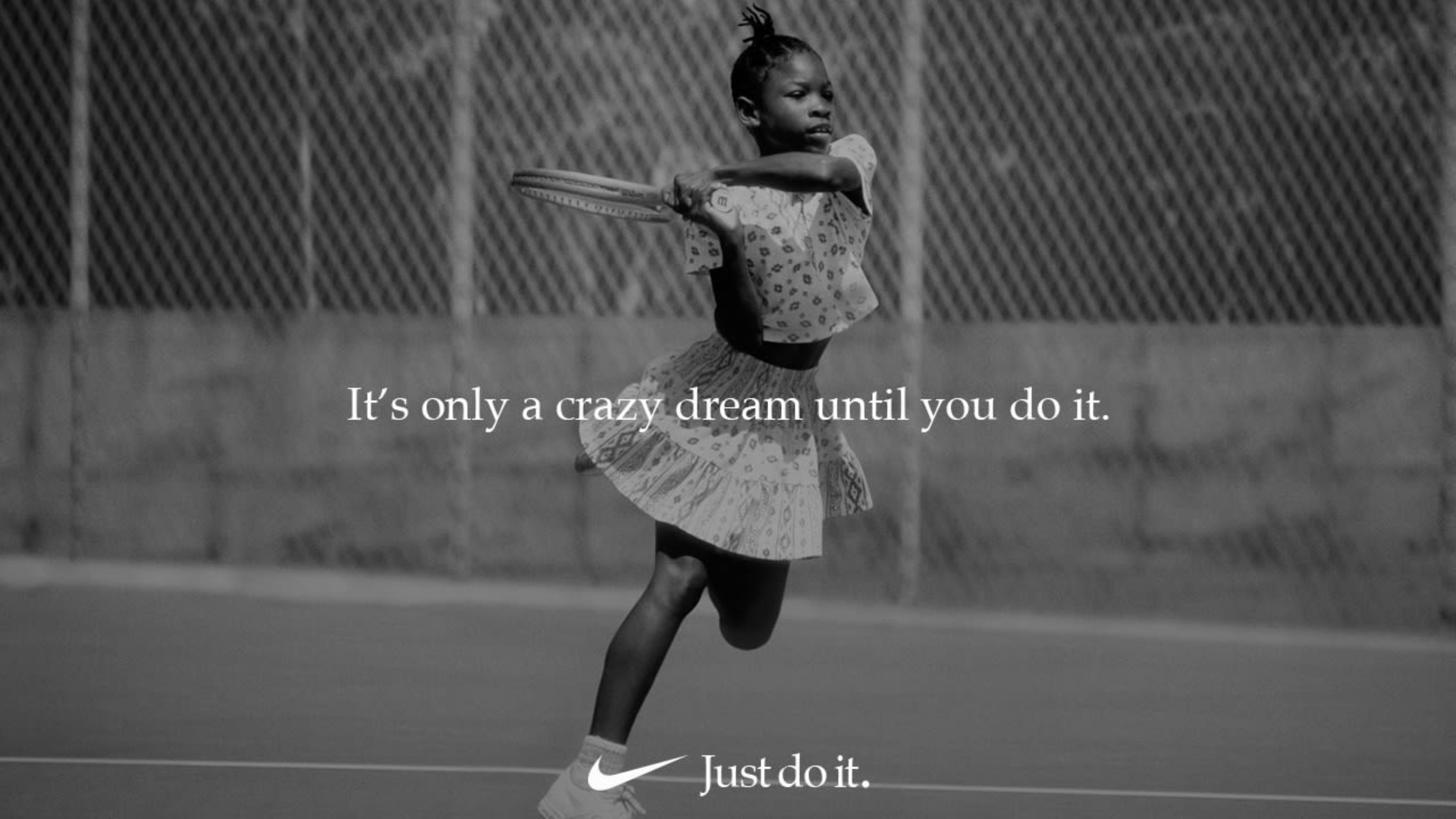
Nike takes their spin on “Just Do It” when trying to squash the stereotype of competition and playing hard only being an option for men in their Dream Crazier campaign. With the continuous message of “It’s only crazy until you do it, just do it.”
The Royal Bank of Canada has taken this one step further and has begun a program called EmpowerHer, with the goal and mission to network with leaders and give them insights on what a career in finance looks like.
History’s Role in This
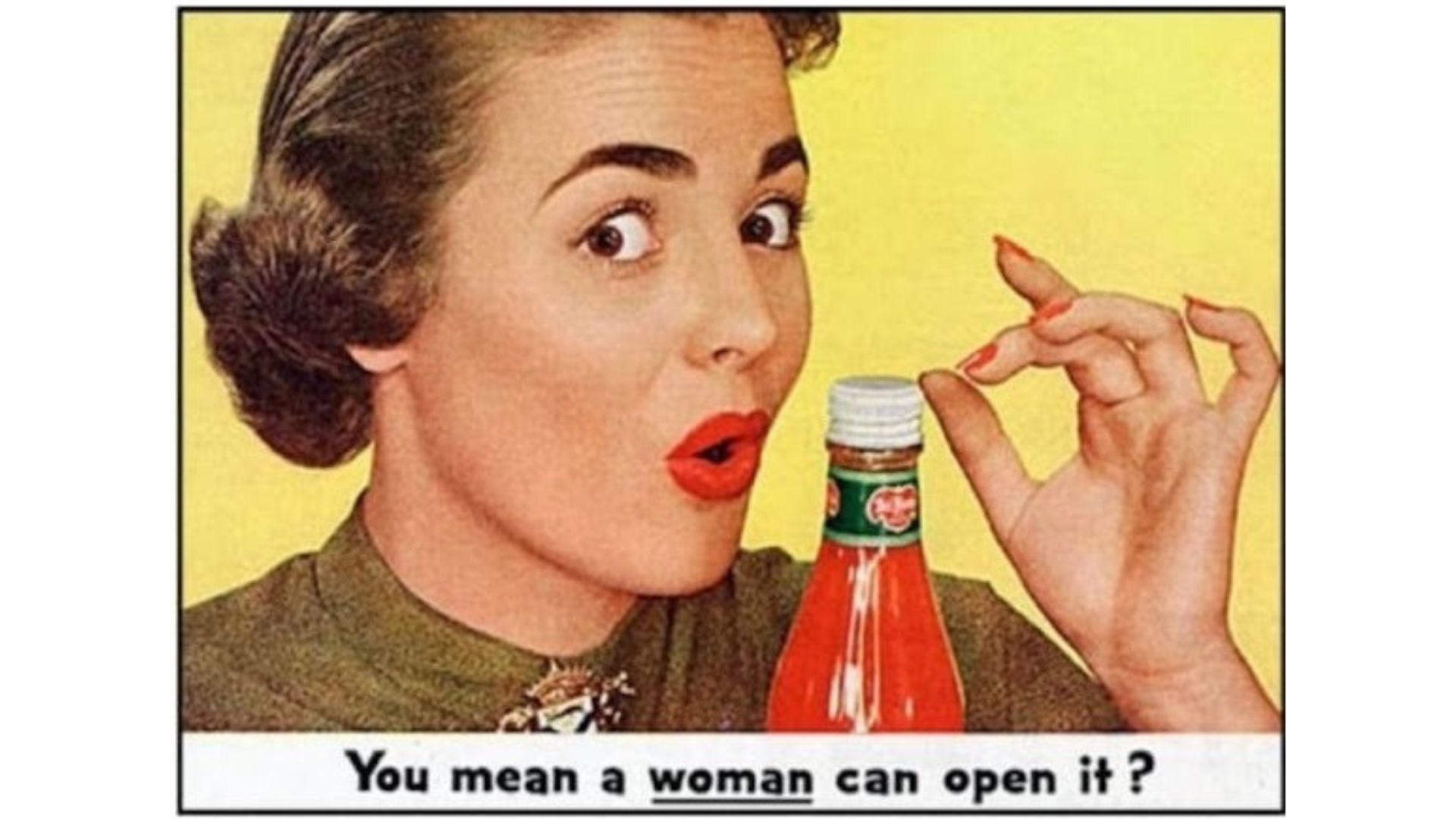
It’s important to know where we started, how far we have come, appreciate the present, and remain passionate about the future of advertising for women.
The post-war era for women was the 1960s. This was their time to clock out and return as “mothers” and “wives,” their main title focused around their husbands.
The 1970s gave women the title of “superwoman” as they began to succeed in their careers and as homemakers. Marketing failed to acknowledge this and framed it as “unrealistic” rather than appreciating the progression.
Entering the 2000s, the career women emerged, and at the same time, advertisements continued to please the male gaze.
Femvertising in the 2010s opened the door to campaigns that became more aware of women's abilities and strength.
Show Us What We Want

Dove’s “Real Beauty” campaign, launched back in 2004, helped this movement of focusing on women's strength and beauty and marked a positive shift toward encouraging women rather than treating them as aspirational objects.
Real Beauty campaign may have first launched back in 2004, but it remains a current mission with the brand. Dove has remained active with this mission and now includes a Dove Self-Esteem Project for teens and kids.

Always #LikeAGirl campaign illustrated exactly what advertising for women can look like, challenging the stereotype of doing something like a girl and how it looks versus a boy.
Women want what feels real, honest, and informative. NielsenIQ shows that 91% of women feel brands fail to understand them.
The audience wants practical value, showing how a product can be used in real life, emotional connection, representation across body types, and overall just authenticity.
Women want confidence without having to show perfection. Advertisements for women are not that complex; just be genuine.
Barbie’s “Imagine The Possibilities”

Effective advertising for women is demonstrated in many Barbie commercials, with their mission statement always clear and motivational.
“Imagine The Possibilities” used hidden cameras to capture their target audience (girls) role-playing as professors, veterinarians, and coaches.
The campaign later had matching career Barbies that made the role play more connected, linking play with future ambition.
They successfully connected their products with aspiration and possibility. Attributes that advertising for women should always embody.
How To Successfully Advertise For Women

Segmenting for different groups and meaningful differences is the first step.
Once you have your subgroup, you want to give this central person a detailed story and persona. What’s their job? Their family? What are their priorities? Their goals?
Next, gather qualitative research through interviews with female customers, target focus groups, and social media. Show you care about your customers.
Lastly, refine your goals and findings. What are the metrics? Women tend to follow word of mouth and trust conversations with their community, peers, and friends.
Your words, tone, visuals, and casting all contribute to the relationship of trust an advertisement builds with women as their audience.
Avoid lazy messaging. The moment a statement is deemed patronizing, the audience has stopped listening.
Humor can be effective, but it must remain respectful. Advertisements often use humor to connect with their audience, but some brands miss the mark and can easily become offensive.
Conclusion
Femvertising is not a marketing trend; it is a necessary evolution in how brands communicate, connect, and build trust with consumer groups (women).
When women are responsible for the majority of purchase decisions across both traditionally female and male-dominated industries, it becomes clear that outdated portrayals are not only ineffective but damaging to brand credibility.
The shift toward more thoughtful, inclusive, and research-driven advertising reflects a deeper understanding that women are emotionally in tune, diverse, informed, and intentional in their choices.
Reflecting on the historical portrayal of women in advertising highlights just how significant this shift is.
From the restrictive roles of the 1960s to the unrealistic expectations of the “superwoman” era and the male-gaze-driven messaging of the early 2000s, advertising has long failed to fully recognize women’s realities.
Femvertising challenges this legacy by prioritizing authenticity, representation, and empowerment.
Campaigns like Dove’s “Real Beauty” and Always’ #LikeAGirl have proven that when brands choose to reflect women truthfully and respectfully, they not only resonate more deeply but also create lasting cultural impact.
Effective advertising for women comes down to one principle: respect. Women want to see themselves as they are. Complex, capable, and diverse.
As advertising for women continues to evolve, it sets a new standard for the industry. One where authenticity drives engagement, trust builds loyalty, and representation fuels both social progress and business success.
🪽 Written by Nina Hashtpari
join 40k marketing girlies
private Marketing Girly LinkedIn Group
A private community where young women in marketing network, collaborate, and support each other.
the weekly edit
get marketing jobs in your inbox
Join the Sky Society Weekly Edit for marketing jobs delivered straight to your inbox.
We hate SPAM. We will never sell your information, for any reason.