Why Nostalgic Marketing Works and Why It's Everywhere Right Now
Apr 10, 2026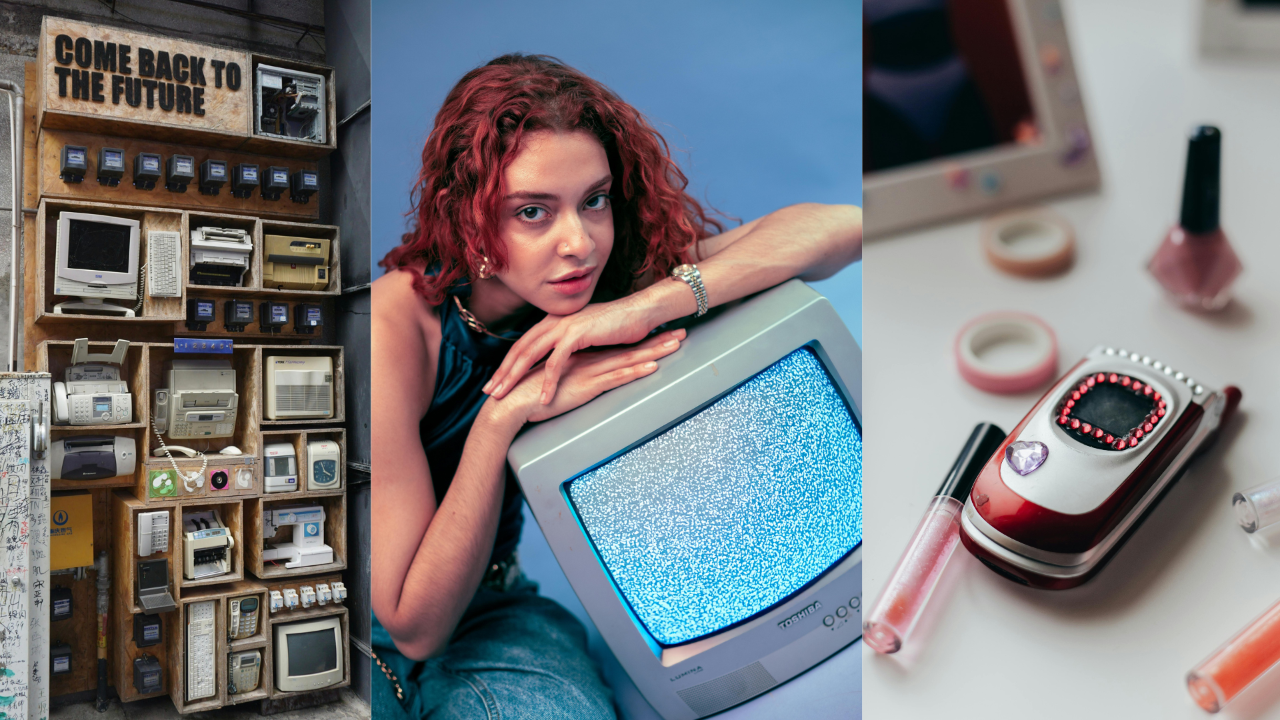
Every now and again, trends recycle, a reboot is made or go down memory lane. Nostalgic marketing is the perfect way to describe how society yearns for the past.
Oftentimes we look back and reminisce about simpler times or wonder why low rise jeans went out of style. This leads brands to tap into what audiences already want, and history begins repeating itself.
The result is making it less like advertising and more like a shared cultural memory.
We can thank Gen Z for the revival of nostalgia with brands. They crave a sense of belonging, happiness and simpler times. Ultimately, it's not about memory, it's about feeling something. Brands that understand that are winning right now.
The 80’s Called, They Want Their Workout Back
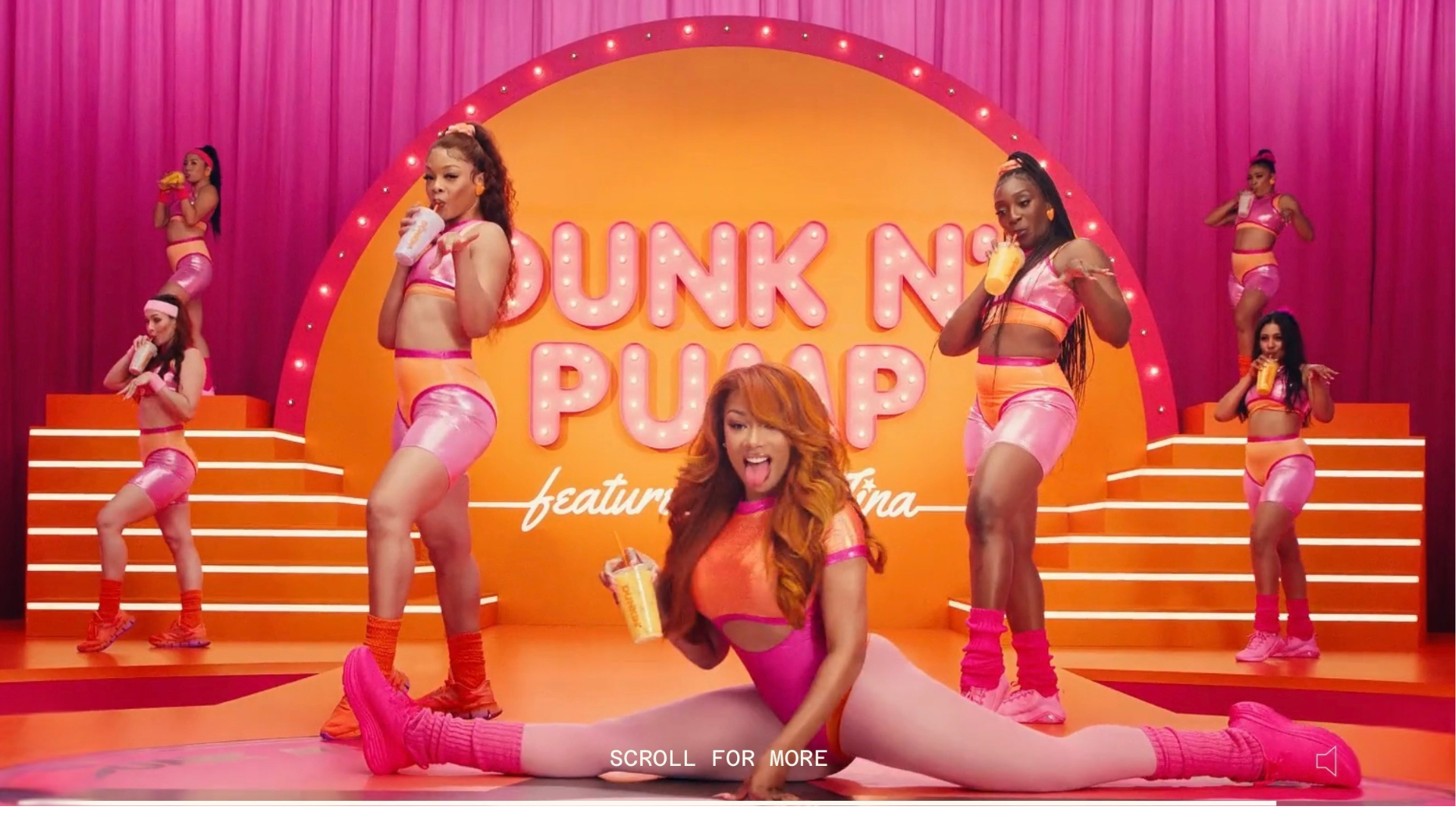
Does the outfit look familiar?
Dunkin released their newest marketing campaign with Megan Thee Stallion announcing their new protein refreshers while wearing an 80’s inspired workout set. Megan is known for her curves, her confidence and her recent gym routines making perfect sense for this collaboration called “Dunk and Pump”.
This throwback is a brand’s perfect pairing that fits the moment.
While most of the target audience were not alive during the 1980s, that does not stop them from indulging in retro campaigns. 68 percent of Gen Z consumers respond positively to nostalgic marketing.
It is about the aesthetic, the vibe and the emotional storytelling. Dunkin understood that the visual alone would do the heavy lifting.
What makes this campaign work is it layers nostalgia with a current cultural figure. Megan Thee Stallion brings her own fan base into the conversation. Suddenly, a protein drink launch becomes a cultural moment rather than just another product push.
Y2K Isn't a Forgotten Era, Here's the Obsession
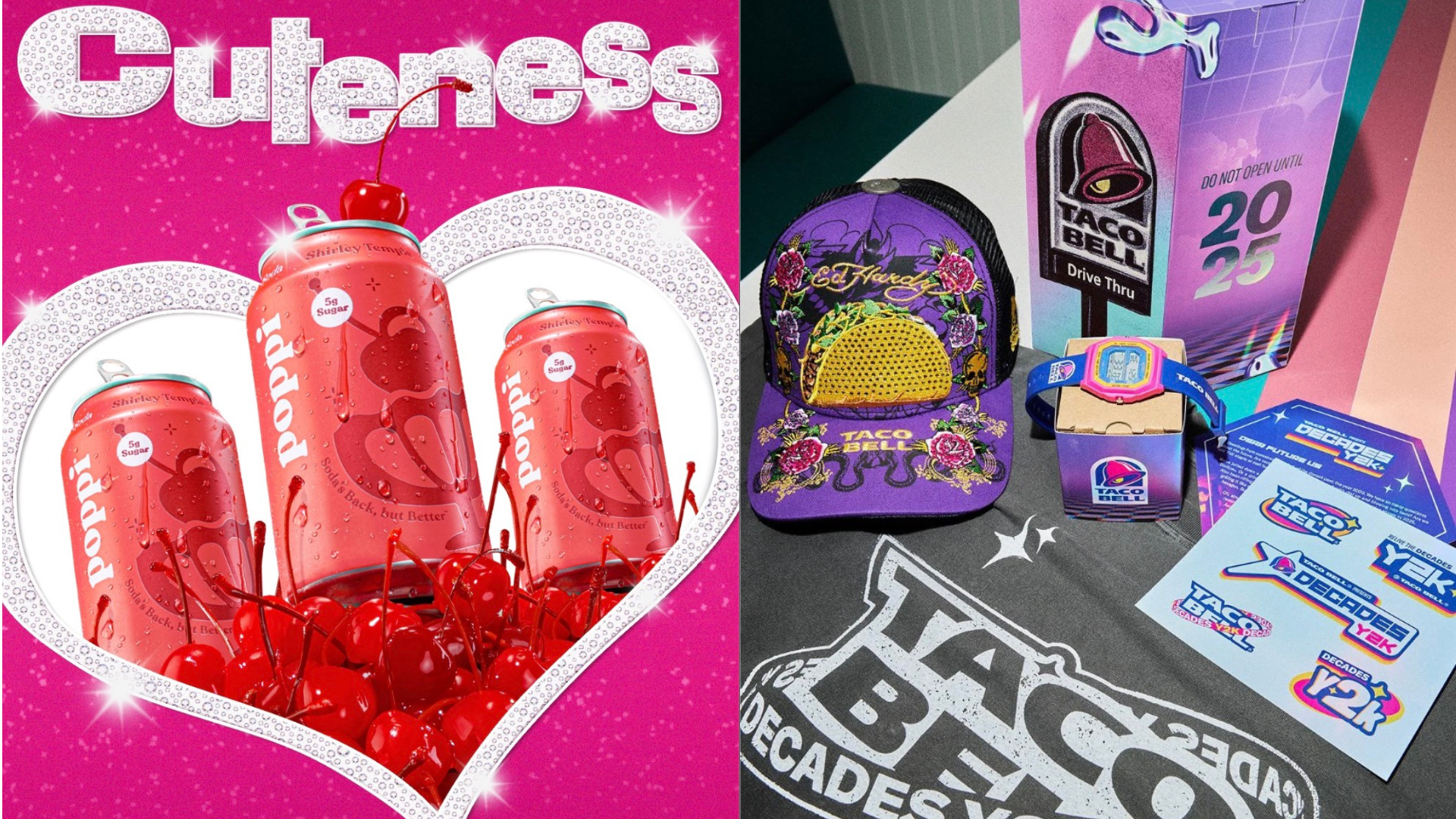
Low rise jeans, flip phones, and Taco Bell? Yes, even Taco Bell rose to the occasion of the Y2K wave. Taco Bell brought back five fan favorites menu deals with a chromo neon inspired ad. To top off this campaign, they had an iconic 2000’s collaboration with Ed Hardy.
It was loud and the vision worked perfectly.
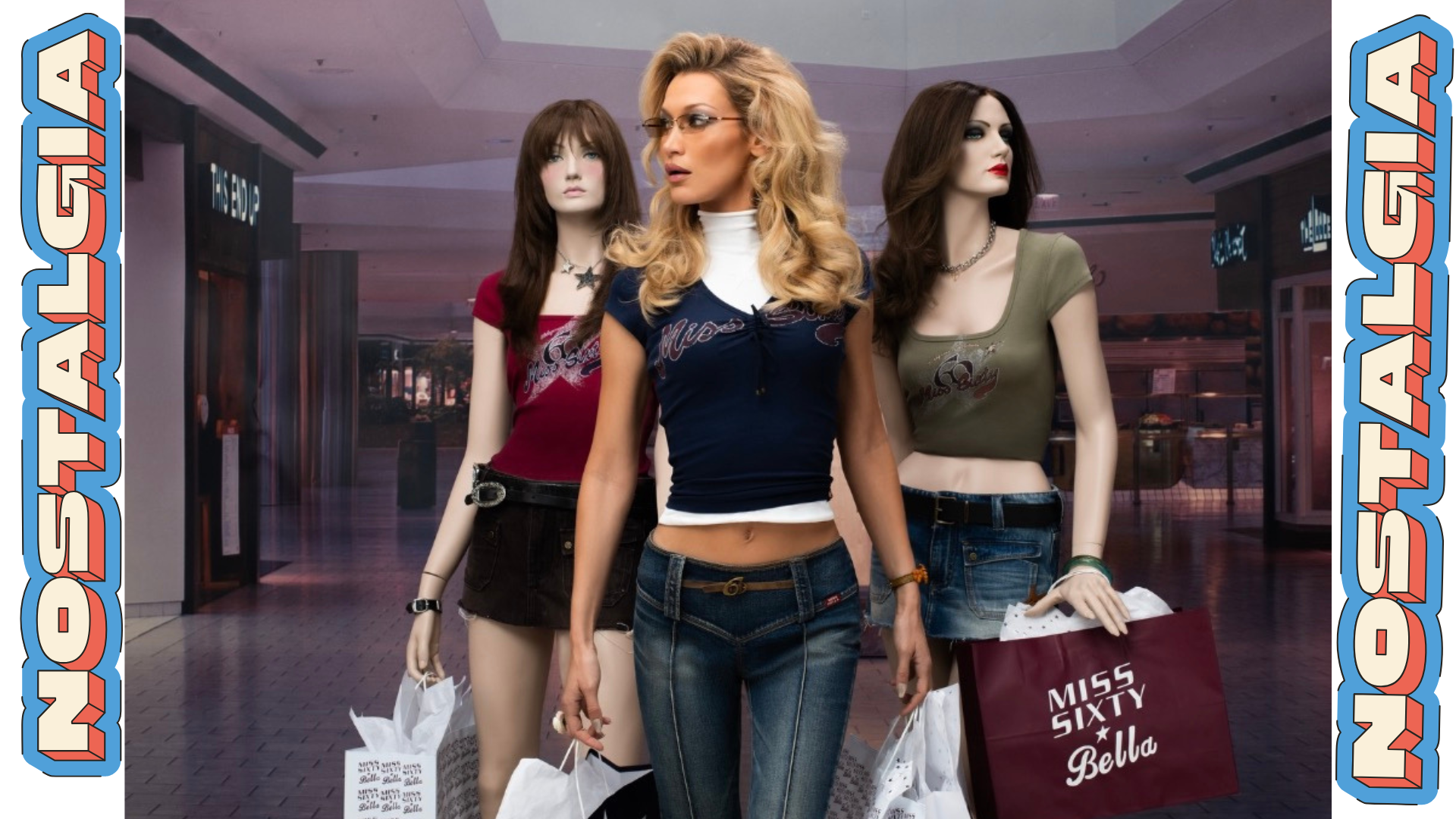
A more recent example of the ongoing Y2K theme, Bella Hadid and Miss Sixty launched their clothing collection. It is all about low rise jeans, logo tees, and capris. Good nostalgic marketing is understanding why a person is a perfect fit for a new release.
Who loves Y2K fashion more than the model Bella Hadid, a model whose entire aesthetic leans towards that era. The partnership felt rather organic and that’s what makes it sell, authenticity.
The 90's and early 2000's also dominated the box office. Have you ever said, “they don’t make movies like they used to” and rewatch the same films on repeat? Poppi released a carousel on Instagram for their new flavor Shirley temple inspired by movies such as Clueless, Jaws, E.T., and When Harry Met Sally.
Sometimes brands take something simple and make it work. A classic drink flavor tied to beloved films is an easy shortcut straight to memory lane.
This goes to show that though we are advancing into a more technologically advanced time, we still crave authenticity and connection. Brands have figured out Y2K isn’t a trend, it will forever be a cultural movement. So long we as a society keep spending, brands will keep revisiting.
How Disney Actually Make Happy Memories with Nostalgic Marketing
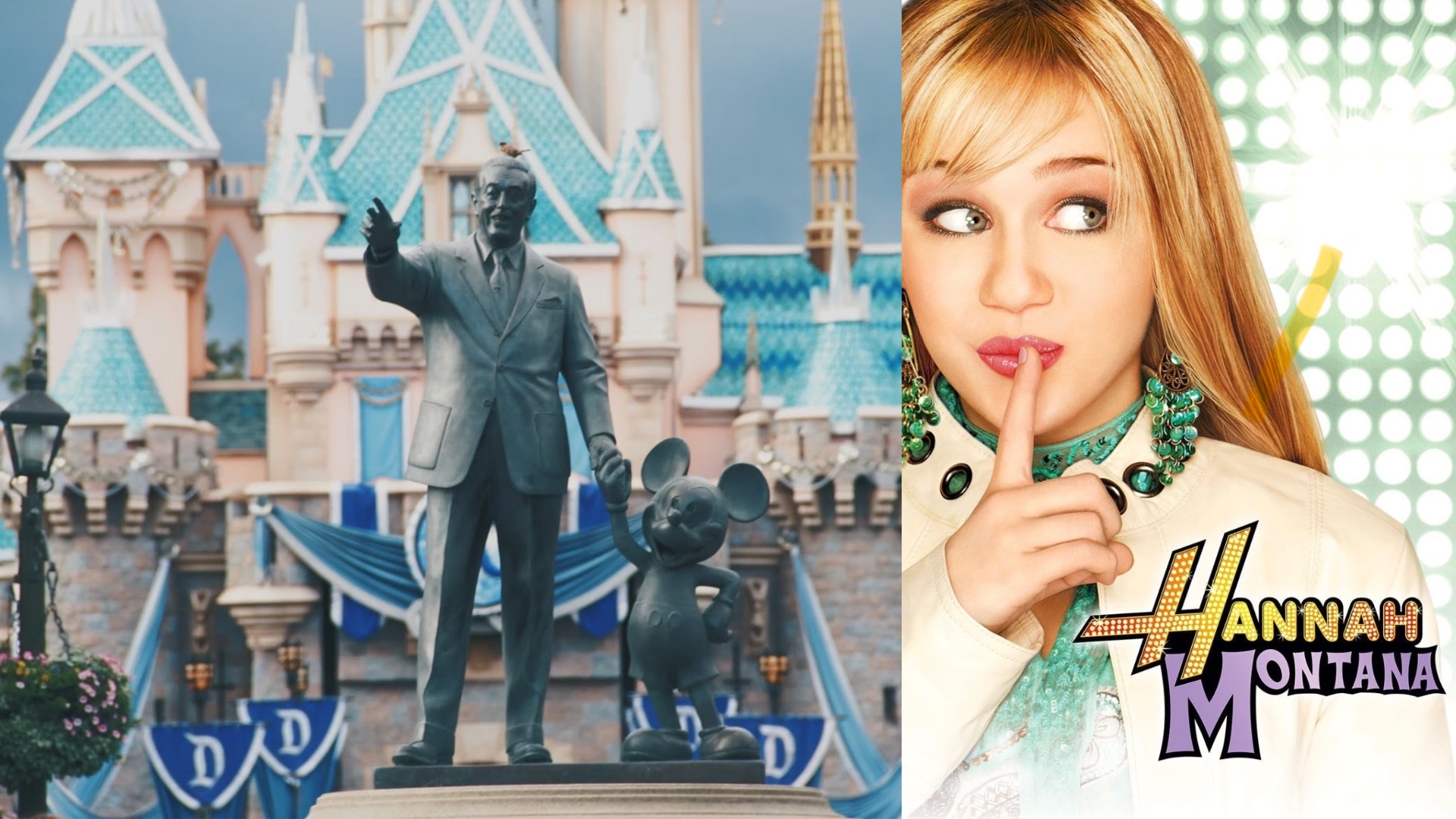
Not many know nostalgic marketing like Disney does. Disney has spent years on selling their audience a feeling. Their slogan is “the happiest place on earth.” Recently, they released a “Midnight Magic” video for their cruise line and people were genuinely moved to tears.
Though they did not focus on the cruise itself, they emphasized the midnight tradition with dad and son that was passed down to their grandchild. That is where Disney stands out. They sell emotions that last for years.
On the topic of long lasting emotions, a childhood favorite is back. The 20th anniversary special of Hannah Montana was released on March 24th.
To kick off this reboot, Maybelline partnered with Disney, hosting pop-up events on both the west and east coast. The main attraction is experiencing Hannah’s closet and glam vanity featuring Maybelline’s must haves. Once again, the audience was given an experience, not just a product.
Disney consistently reminds us that what we buy into is rarely the thing itself. There is always the memory attached to it.
What separates Disney from other brands attempting nostalgia is consistency. For them it does not feel like trend chasing but rather a natural extension of who they have always been. That trust is built over decades.
2016 Returns, Surprisingly Better This Time
The nostalgia cycle is getting shorter each time. Ten years is apparently enough to make people long for an era.
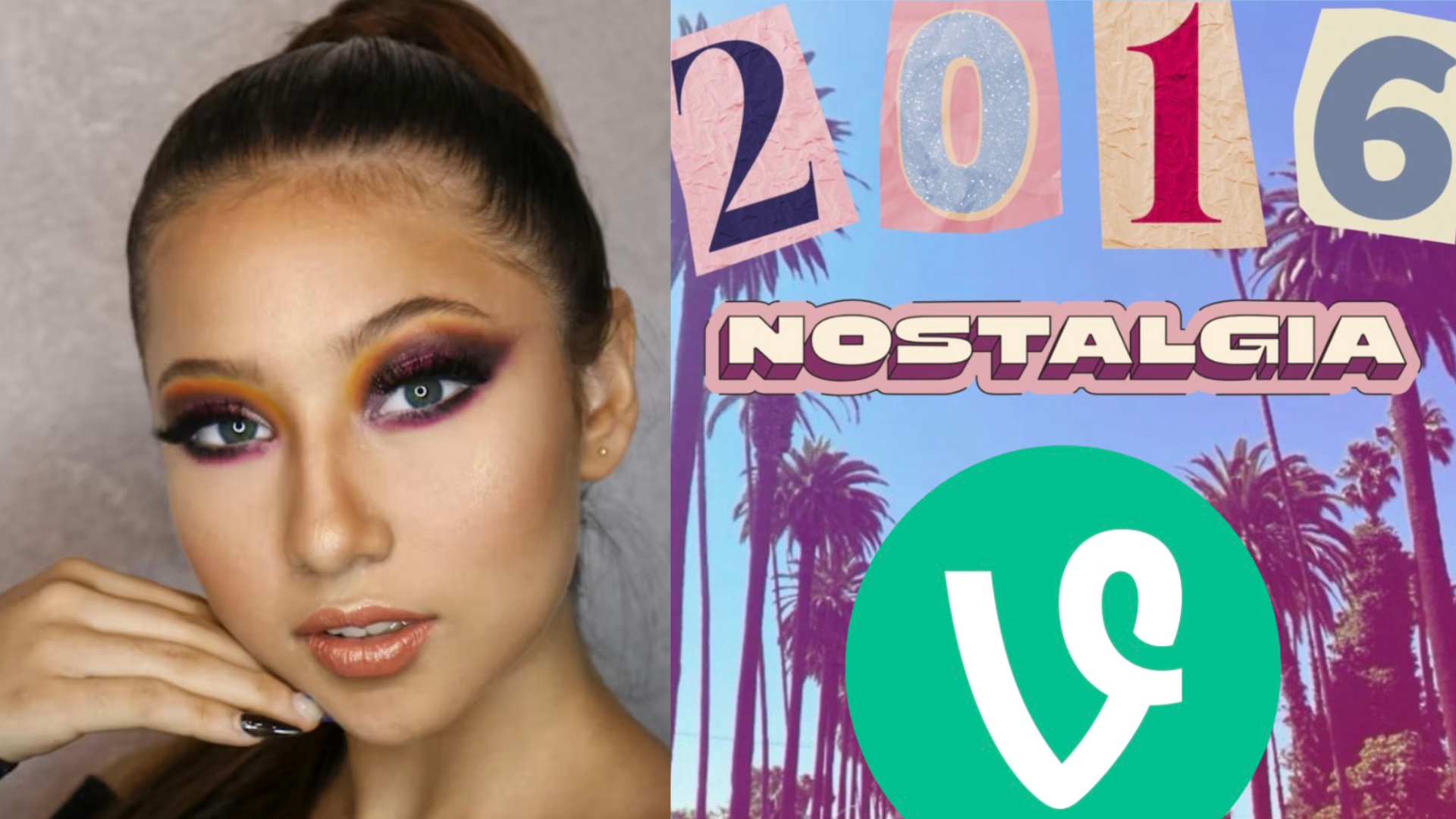
Many who got to experience 2016 to its fullest potential, crave to go back one more time even for a moment. Summer 2016 started as a throwback trend, with people sharing their old pictures with chokers, flannels, bold makeup and the music that defined that year. Brands knew how to capitalize on it.
Clean girl makeup was not widely known in 2016. With so many brands copying one another and people consuming the same makeup tutorials, Millennials and Gen Z instead want the bold 2016 makeup back. Notably, it emphasized individuality.
There were no rules in 2016, the colors were loud even if they were not suitable for an everyday look.
An honorable mention is the app Vine, which is similar to what TikTok is today. It started with very short videos where creators and users would dance, make funny clips, and connect with each other through likes and comments.
Although it was shut down in October 2016, many Gen Z users still quote Vine videos. However, TikTok has expanded and added many features, such as the ability to watch full movies and access more advanced editing tools.
What is interesting about the 2016 wave is that it proves nostalgia does not need decades to develop. A single cultural moment, a specific song, aesthetic, or news cycle can become the anchor for an entire emotional era.
Gen Z experienced 2016 during their most formative years, which makes the attachment even stronger. When a brand taps into that, they are not just selling a product; they are offering a small piece of a time people wish they could revisit.
What Makes Nostalgic Marketing Remarkable.
Nostalgic marketing works because it bypasses skepticism. When a brand connects to something you already love, your guard comes down naturally. It is not just clever advertising. It is an emotional strategy built on shared cultural history.
The brands doing it best are not copying the past. They are reframing it through a current lens, making it feel both familiar and fresh at the same time.
It fosters loyalty bringing its consumers together by bonding over a feeling. On the fan culture side, 64% of respondents in an Amazon Ads study agreed that being a fan is a defining part of their identity. Which is why brands that tap into fandom through nostalgia are connecting with people on such a deep level.
At the same time, Forbes notes that while nostalgia can romanticize the past, it often excludes the hardships. This can cause people and brands to hold on to the past longer and not move forward. It also shows how marketing has historically pushed for cultural change.
In the end, nostalgic marketing is more than a creative outlet or following a trend. It is a strategic tool that shapes how people connect, remember, and belong. Brands who understand this treat nostalgia as a shared language. They honor what people hold close while still giving them something new to hold onto.
🪽 Written by Valerie Angarita
join 40k marketing girlies
private Marketing Girly LinkedIn Group
A private community where young women in marketing network, collaborate, and support each other.
the weekly edit
get marketing jobs in your inbox
Join the Sky Society Weekly Edit for marketing jobs delivered straight to your inbox.
We hate SPAM. We will never sell your information, for any reason.