Why Beauty Influencer Marketing Is Quickly Taking Over Social Media
Apr 03, 2026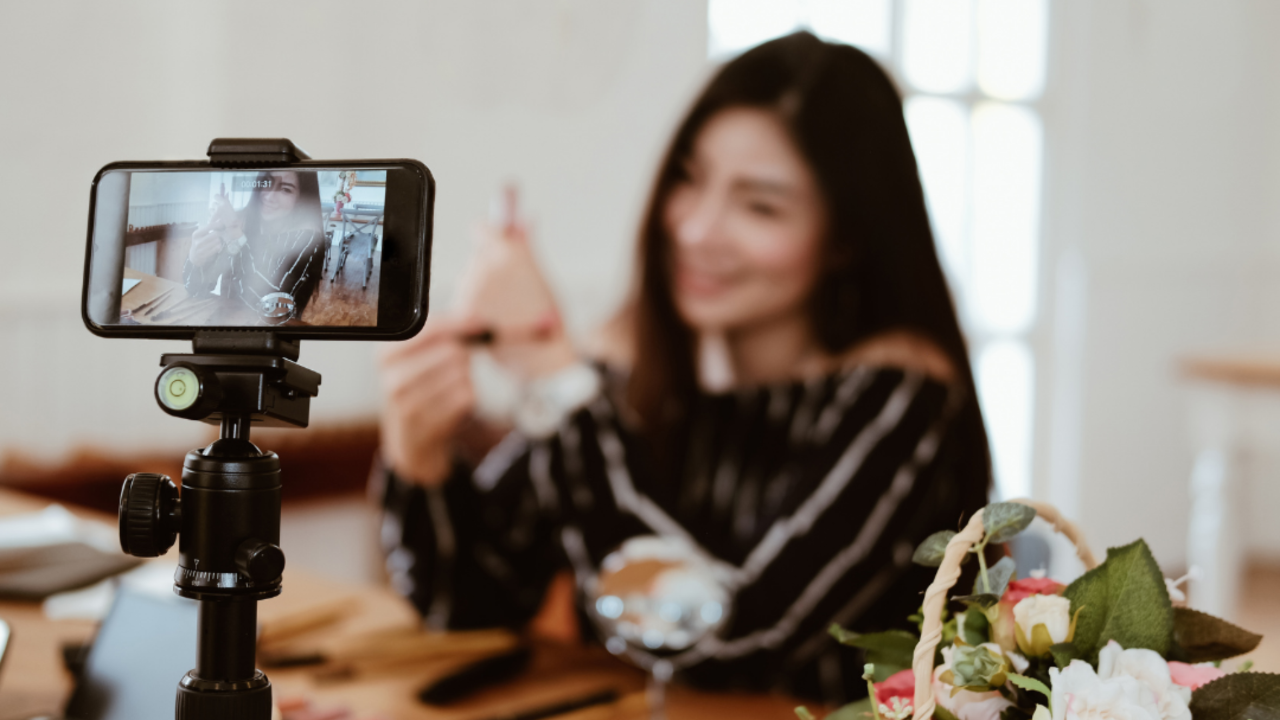
Beauty trends do not start in stores anymore. They start on social media. A single video can turn a product into something everyone wants.
This change comes from beauty influencer marketing. Brands now show up in tutorials, routines, and everyday content, not just ads. It feels more natural and easier to trust.
Beauty influencer marketing has changed how we find products and how we decide what to buy. Instead of walking into a store and guessing what works, people now watch reviews and tutorials. This helps them feel more confident before making a purchase and makes the process feel easier and more informed.
For many people, beauty influencer marketing has become part of their daily routine. They scroll through TikTok or Instagram, see products in action, and decide what they want to try. This has made social media one of the most powerful tools in the beauty industry.
The Rise of Beauty Influencers
Before TikTok and Instagram, beauty content was already growing on YouTube. In the mid-2010s, creators began to grow big audiences. They shared makeup tutorials, reviews, and honest opinions.
NikkieTutorials and Jaclyn Hill had a huge impact on beauty content and helped shape it into what it is today. They built trust by being consistent and showing real results.
At the time, this was new. People were not used to learning about products from creators instead of brands.
As social media grew, beauty influencer marketing grew with it. Instagram made content more visual, while TikTok made it faster and easier to go viral. Influencer marketing continues to grow, according to Statista. This shows its rising importance.
Why Beauty Influencer Marketing Works
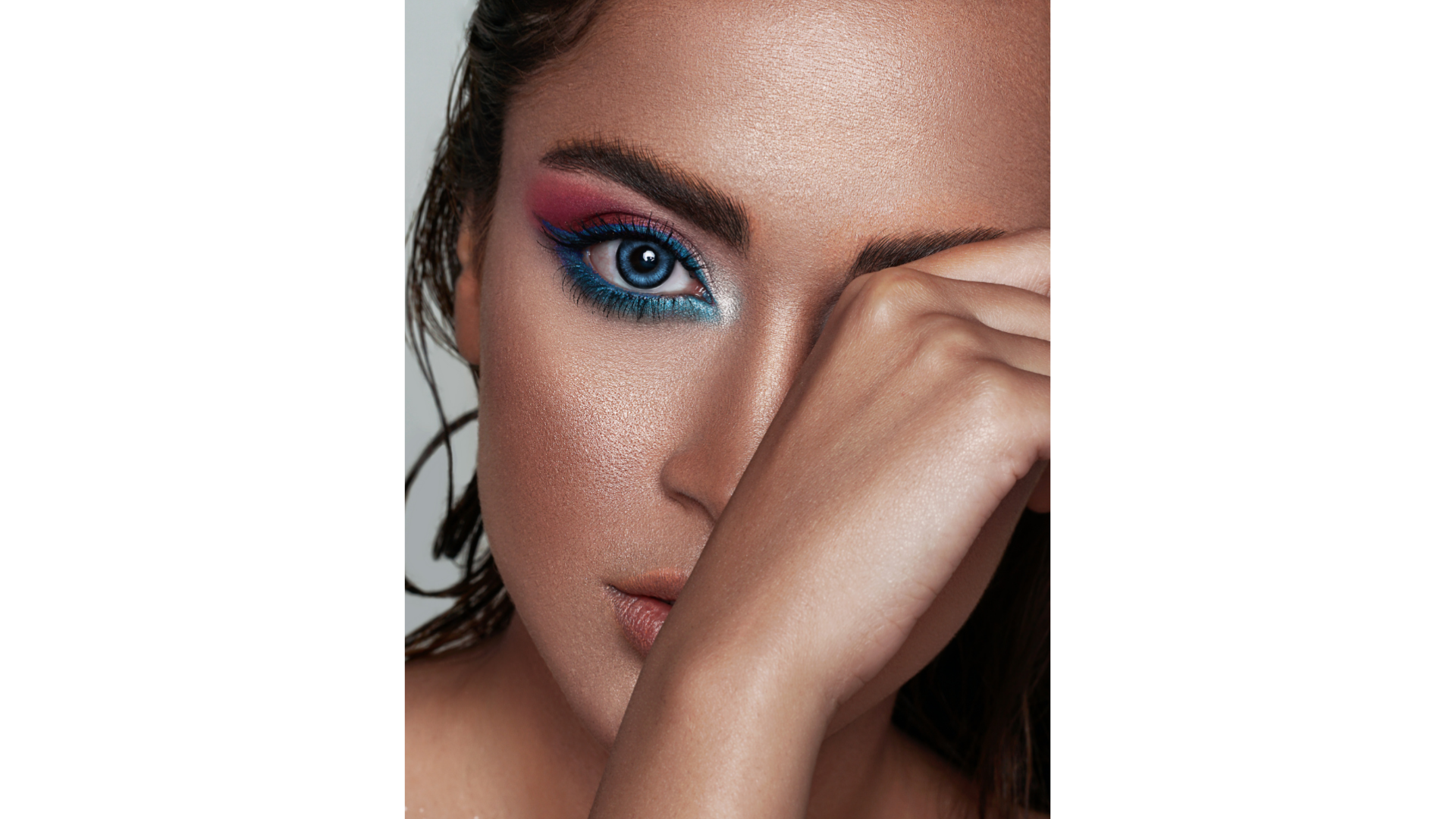
Beauty influencer marketing works because it feels real. People trust people more than ads.
When influencers show how a product looks and wears during the day, it helps people understand what they are buying.
It also feels more relatable. Influencers come across like friends giving advice instead of a brand trying to sell something.
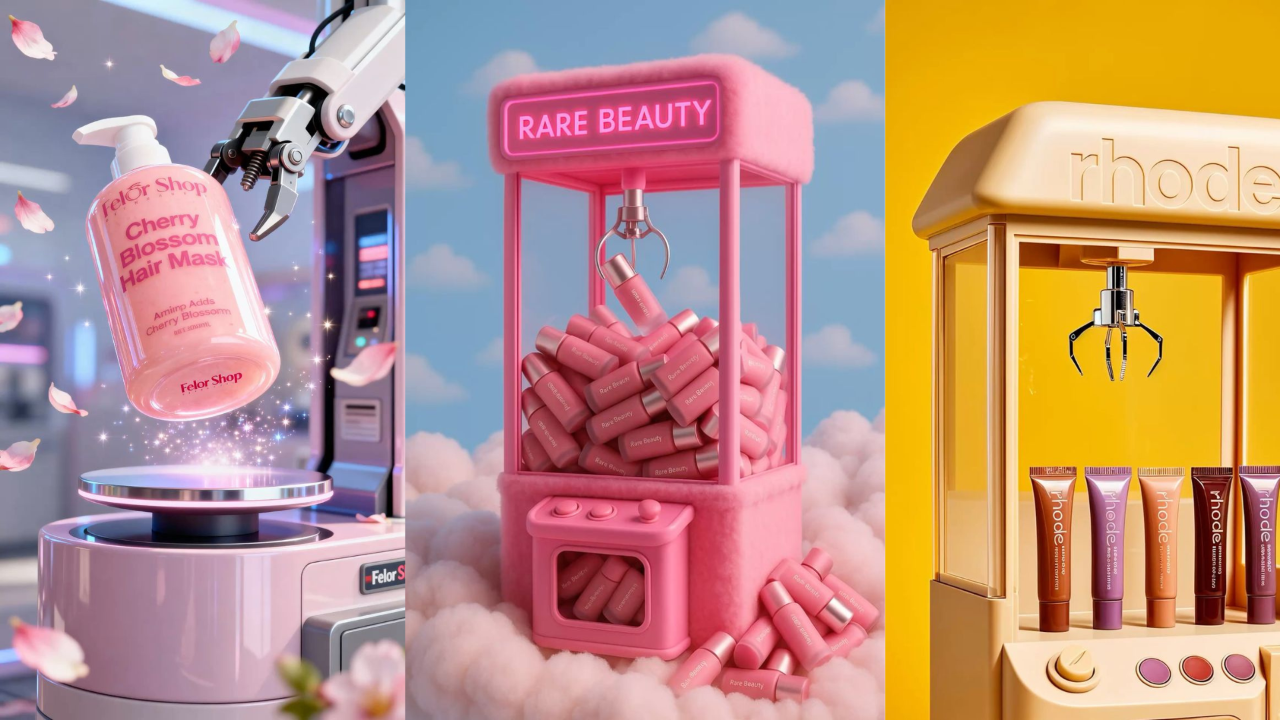
Brands like Rare Beauty and e.l.f. Cosmetics use this strategy well. They work with creators who match their audience, which makes the content feel more natural. HubSpot says influencer marketing builds more trust. It’s stronger than regular ads.
How TikTok Changed Beauty Influencer Marketing
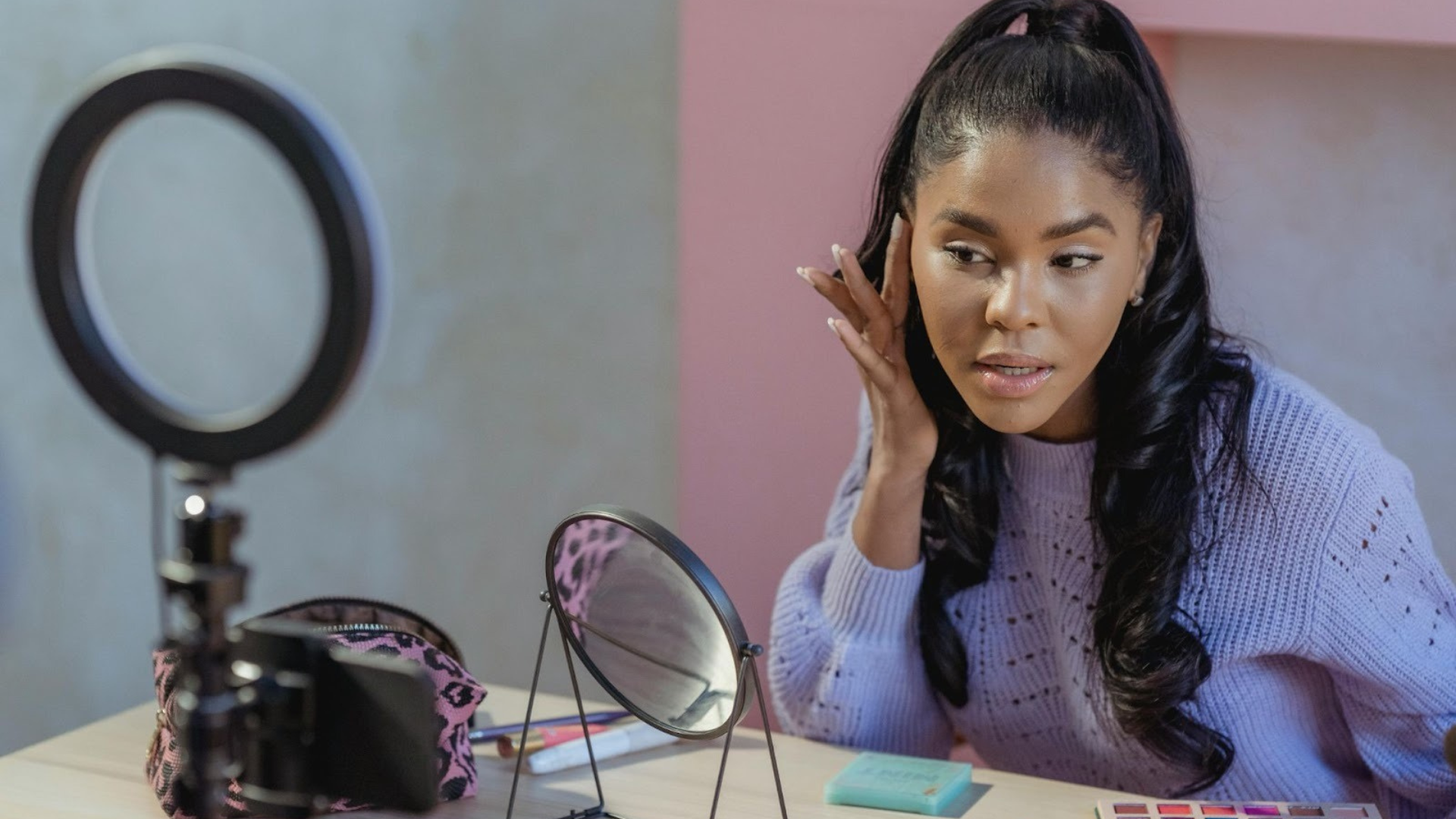
TikTok has changed beauty influencer marketing in a big way. Trends move very fast, and products can sell out overnight.
Short videos make it easy for creators to share quick reviews and first impressions. These videos are simple to watch and easy to trust.
TikTok Shop has also become very popular. Influencers can link products directly in their videos, so viewers can buy them right away. There is almost no gap between seeing a product and buying it, which is kind of crazy when you think about it. Business of Fashion says social commerce is growing fast, especially in beauty. Because of this, beauty influencer marketing now drives both attention and sales at the same time.
Another reason TikTok is so powerful is how quickly content spreads. A video does not need a huge following to go viral. This gives smaller creators a chance to influence trends in a big way. It also means brands cannot fully control what becomes popular, which makes beauty influencer marketing feel more organic.
Beauty influencer marketing is not just popular; it is proven to work. According to Statista, the influencer marketing industry continues to grow each year. This shows that brands are investing more in creators because they see real results and strong returns.
The Power of Micro-Influencers
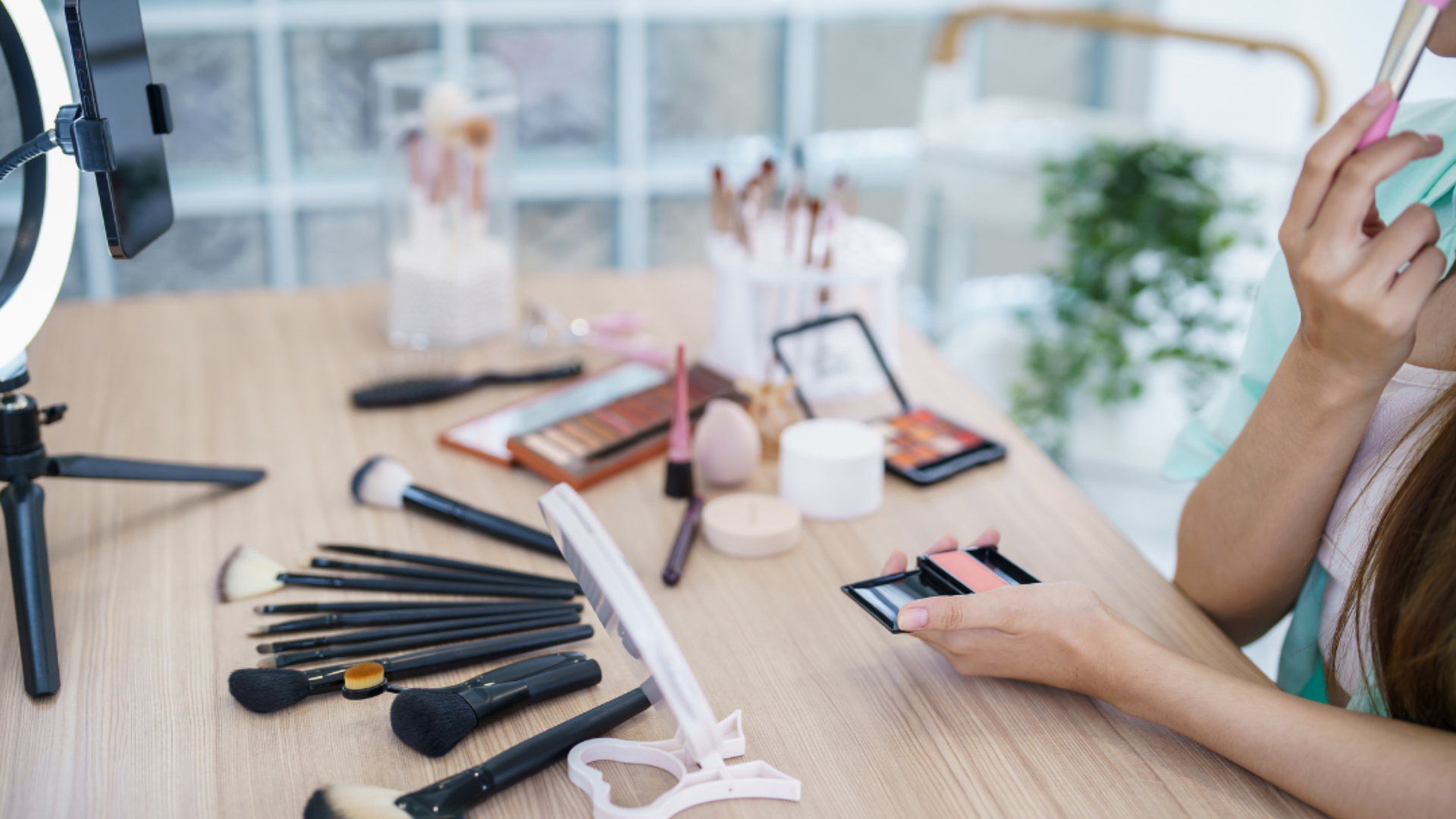
Not all influencers have huge followings, and they do not need to.
Micro-influencers have smaller audiences, but their followers are more engaged. People are more likely to trust their opinions.
This makes beauty influencer marketing more targeted. Brands can work with creators who speak to a specific audience.
Smaller influencers often do better because their content feels more personal and connects better with audiences. Forbes says that micro-influencers get more engagement. They often have higher rates.
Many brands are now choosing micro-influencers over larger creators. This is because their audiences are more loyal and more likely to take action. Even though they reach fewer people, they often drive stronger results. This shift is changing how brands approach beauty influencer marketing.
How Brands Use Beauty Influencer Marketing
Brands use beauty influencer marketing in more ways than just posting products.
PR packages are still common, but brands now create full experiences. Influencer trips are a big part of this. One example is “Trippin with Tarte,” hosted by Tarte Cosmetics.
These trips gather influencers in exciting places. They make content and share their experiences online. It makes the product launch feel exciting and shareable.
According to Glossy, these trips are carefully planned. They help brands create a lot of content and attention in a short time.
Brands also use sponsored posts, affiliate links, and discount codes. These help track sales while still keeping content natural.
All of this makes beauty influencer marketing feel more like an experience than an ad.
The Role of Trust in Beauty Influencer Marketing

Trust plays a huge role in why beauty influencer marketing is so successful.
When people follow an influencer for a long time, they start to trust their opinions. They see how products perform over time, not just in one post. This makes recommendations feel more honest.
Beauty influencer marketing also allows people to see products on different skin types, tones, and styles. This helps them feel more confident when trying something new.
If a product works for someone they relate to, they are more likely to believe it will work for them too. This is something traditional ads struggle to do.
Because of this, beauty influencer marketing is not just about selling products. It is about building long-term trust between creators, brands, and consumers.
The Future of Beauty Influencer Marketing
Beauty influencer marketing is not going away. It is only growing.
People are starting to care more about authenticity. Content that feels too scripted is easier to spot.
Brands are focusing on long-term partnerships. They want more than just one-time posts. This helps build trust over time.
User-generated content is also growing. Every day, people are now part of beauty influencer marketing, not just full-time influencers.
In Conclusion
Beauty influencer marketing has changed the beauty industry in a major way. It has shifted power from brands to creators and from ads to real experiences.
As social media continues to grow, this strategy will only become more important. Brands that learn how to connect with audiences through creators will be the ones that stand out. This shows that beauty influencer marketing is not just a trend. It is now a key part of how the beauty industry works.
🪽 Written by Amanda Barnette
join 40k marketing girlies
private Marketing Girly LinkedIn Group
A private community where young women in marketing network, collaborate, and support each other.
the weekly edit
get marketing jobs in your inbox
Join the Sky Society Weekly Edit for marketing jobs delivered straight to your inbox.
We hate SPAM. We will never sell your information, for any reason.