Style in the Age of Overconsumption and Social Media
Apr 03, 2026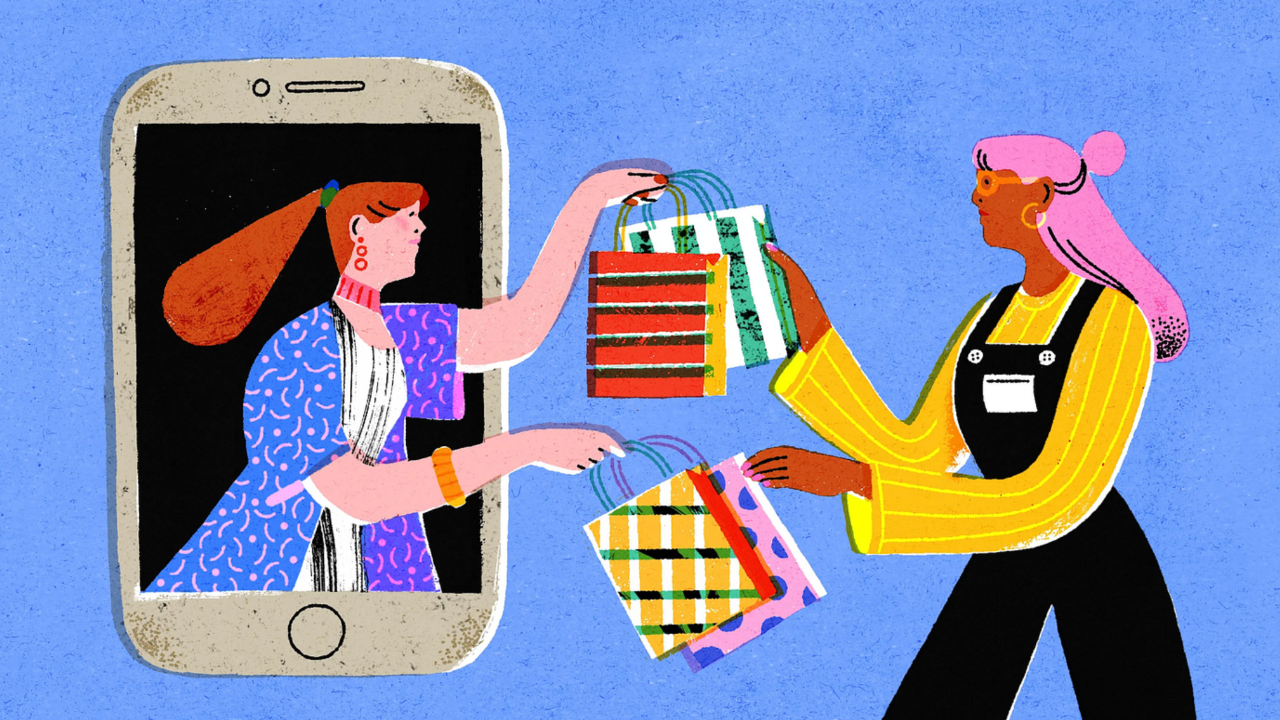
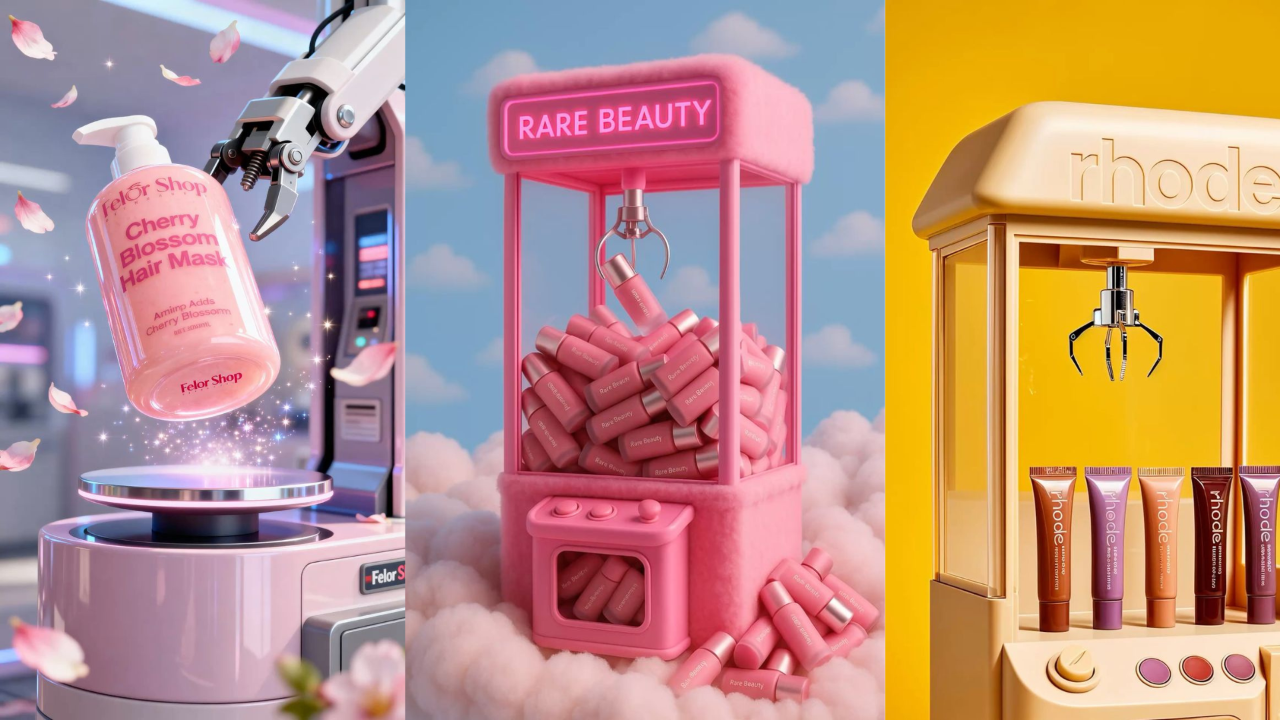
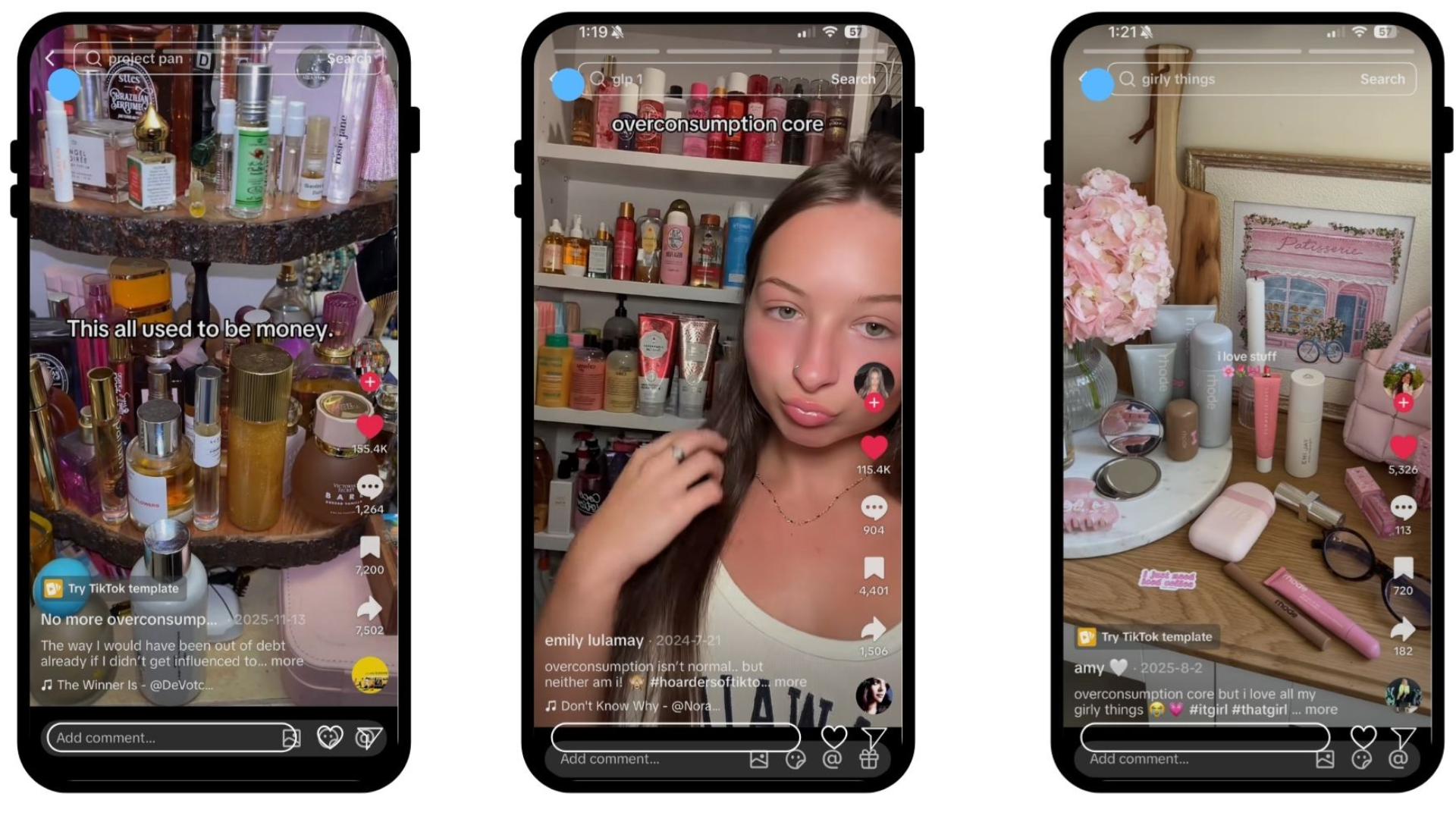
Many consumers rarely wait until a lip gloss is entirely empty before purchasing a replacement.
Similarly, the decision to buy a new pair of jeans is often no longer dictated by practical needs, such as a poor fit or physical wear and tear.
In the current retail landscape, it has become increasingly rare for an individual to make a purchase that hasn't been shaped, at least in part, by the pervasive influence of social media
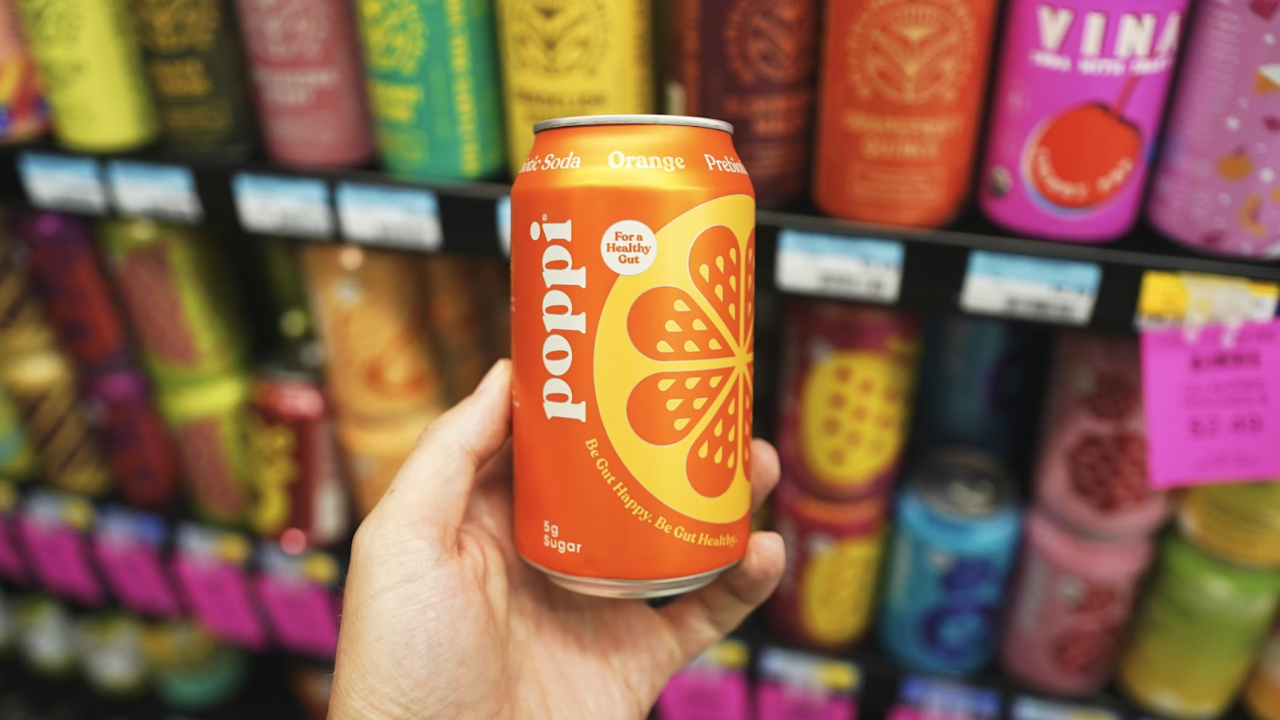
The realization of these habits often leads to a sense of being "called out," as many individuals find themselves purchasing the latest viral blush despite having multiple unused versions already in their possession.
This cycle of acquiring unnecessary items is frequently fueled by internet subcultures and justifications, such as the "I'm just a girl" trope.
Similarly, the popular logic of "girl math" creates a distorted perception of value; for instance, many consumers view a retail return as "free money," which is then used to justify the immediate purchase of a new celebrity-launched setting spray.
The Death of the “Signature Piece”
With the rise of overconsumption and social media, the concept of a "signature style" has begun to fade. Expressing individuality through clothing no longer carries the same sense of distinction.
Instead, a modern consumer may feel a sense of social pressure or inadequacy if they are not wearing the latest trending items. Maintaining a single signature perfume or a lone designer bag is increasingly viewed as "boring" or "outdated".
Overconsumption and social media encourage the opposite: an endless cycle of more options, more trends, and more frequent purchases.
The new standard is a vast collection of fragrances, a closet filled with various bags, and an entirely new item for every outfit. In a culture defined by these digital influences, the act of acquiring more remains exciting, even if those items fail to reflect a person's true identity.
The Psychology of Overconsumption and Social Media
Recent breakthroughs in neuroscience have fundamentally shifted how consumer behavior is viewed. Research shows that our limbic system, the brain's emotional engine, reacts to products and advertisements 3,000 times faster than the rational neocortex.
This creates an immediate, subconscious "buy" signal, meaning most purchasing decisions are emotionally pre-determined before a consumer even begins to logically evaluate their choices.
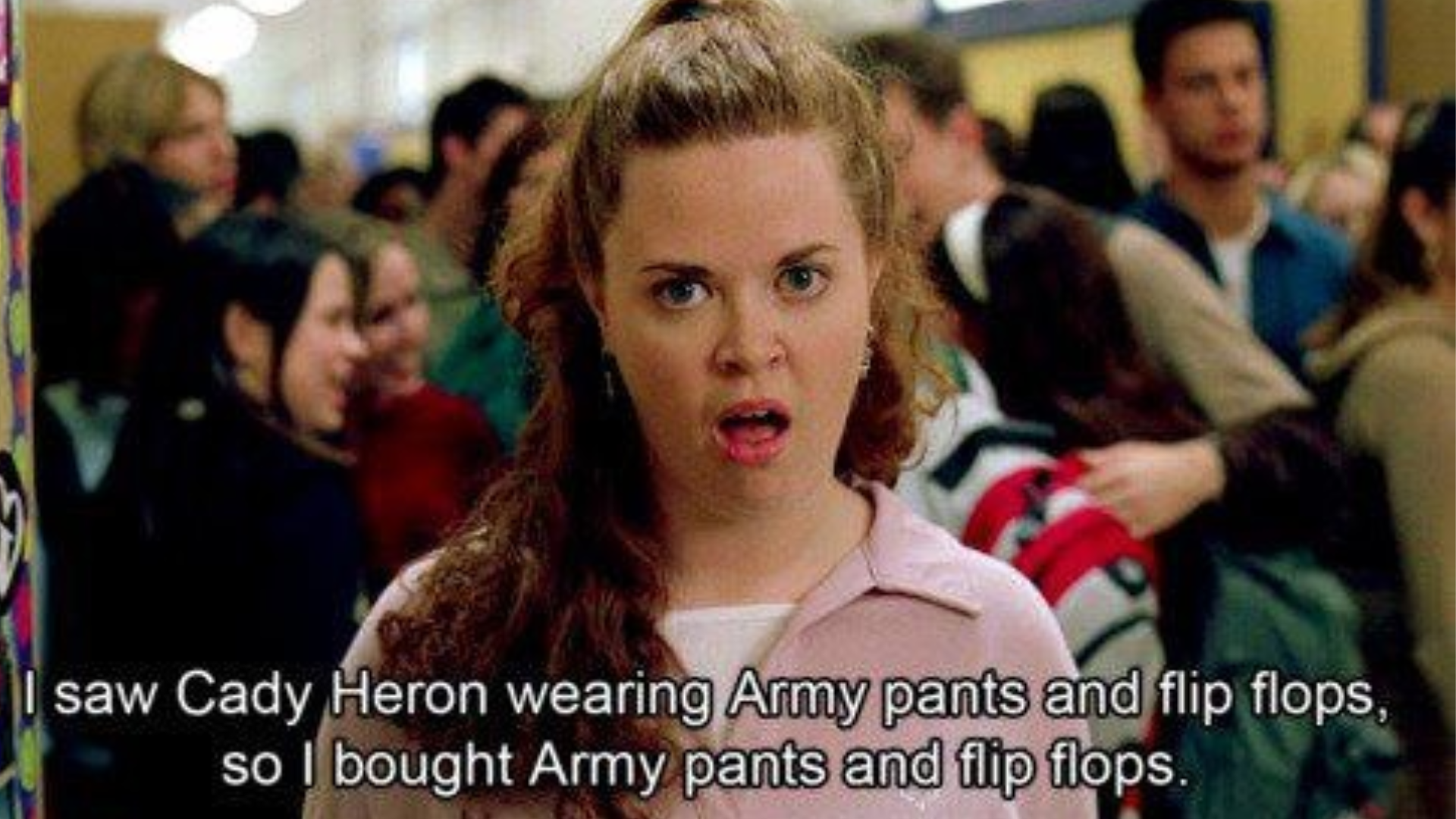
This neurological reflex is the engine behind the "Jones Effect." Originally coined in a 1913 comic strip about neighbors competing for status, this theory explains the deep-seated drive to mirror the consumption of those admired online.
Today, the "unseen Joneses" are the influencers on social feeds. Because the limbic system prioritizes social belonging and status at lightning speed, an automatic urge to stay trendy often occurs before the brain even has a chance to consider the price.
In a culture driven by overconsumption and social media, this neurological reflex makes it difficult for consumers to pause and evaluate the actual necessity of a purchase.
The "Core" of the Problem
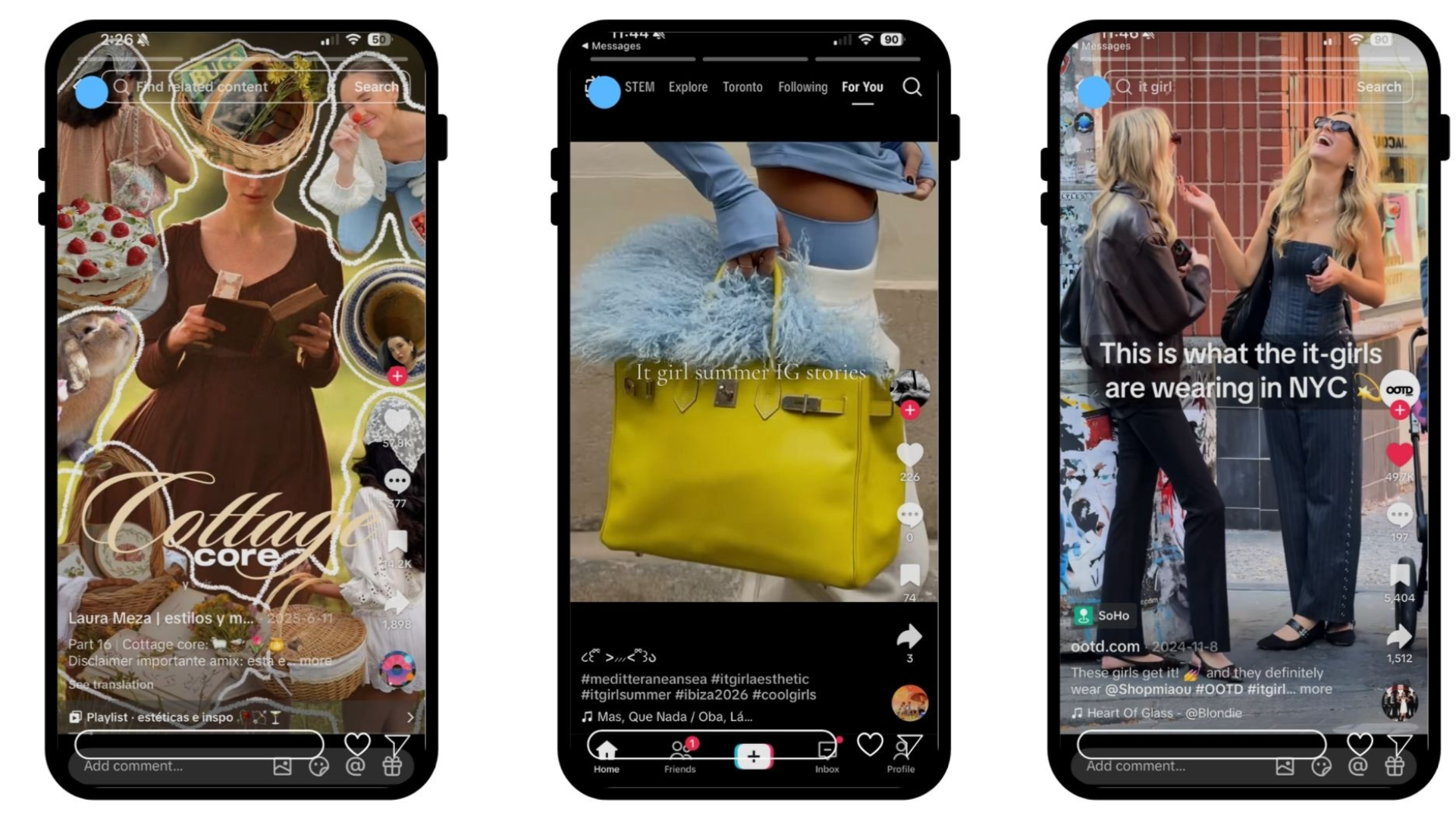
Individuals who favor a slick bun, gold hoops, minimal makeup, and dewy skin are often categorized within the "Clean Girl" aesthetic. Similarly, those drawn to Miu Miu ballet flats may be described as being in a "Balletcore" era.
While almost every aesthetic now has its own designated "core," these represent fast-moving micro-trends rather than permanent styles.
A consumer might transition from "Clean Girl" to "Balletcore" or "Mob Wife" within a matter of months. This constant switching directly fuels overconsumption and social media engagement, as each new aesthetic demands a complete set of new clothing, makeup, and accessories.
In this landscape, outfits are treated primarily as content, and the nature of digital content necessitates a relentless supply of new products.
The Deinfluence Movement
Society must reshape its relationship with the algorithm. Since overconsumption and social media serve as the blueprint for real-world habits, a digital feed should offer something deeper than the next viral "must-have".
By embracing deinfluencing, individuals ensure that their digital consumption fuels personal style instead of simply draining a wallet.
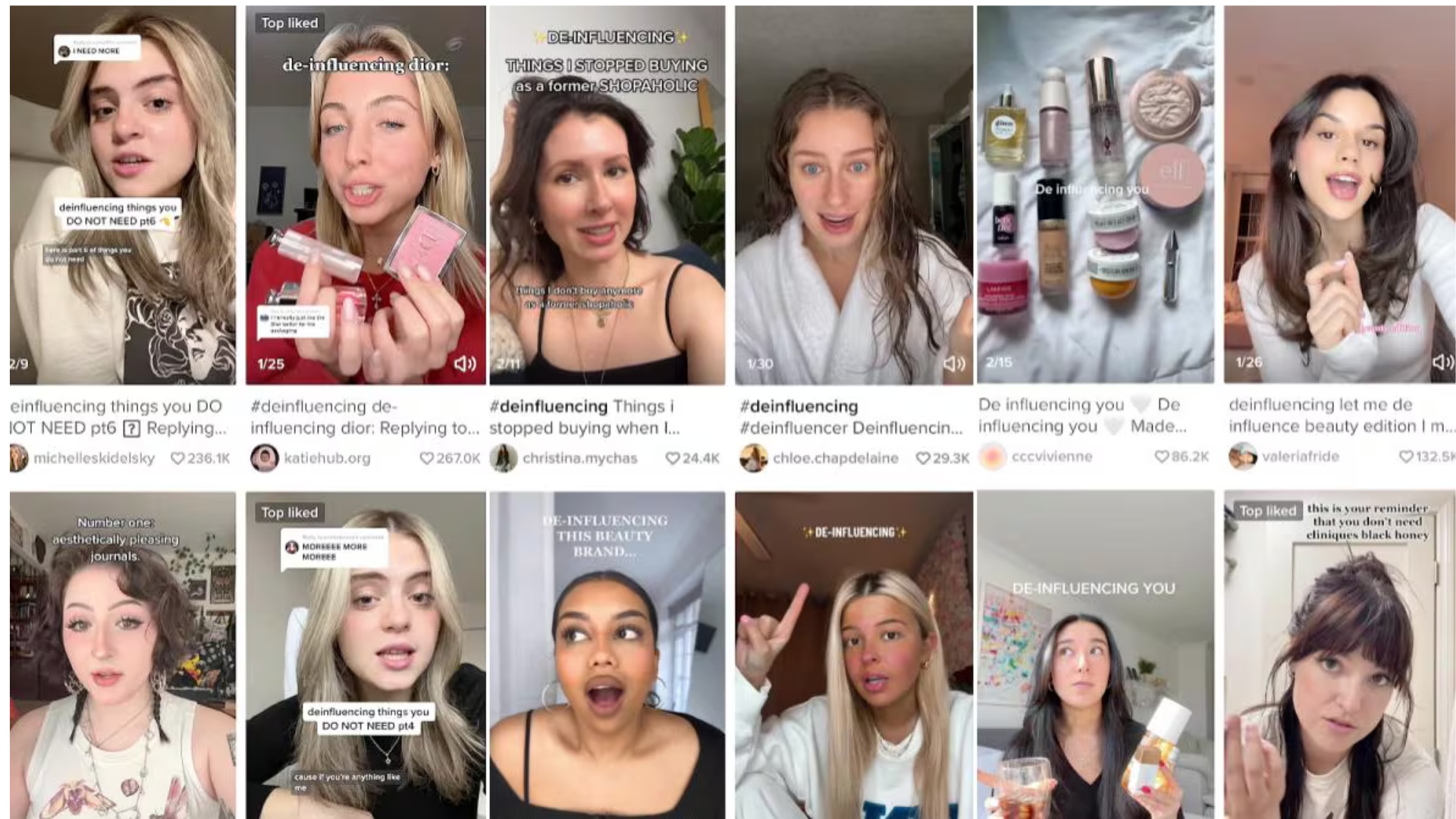
Deinfluencing is a growing trend on social media where content creators encourage people to buy less or think twice before purchasing.
Research based on interviews with TikTok users shows that this type of content is often seen as more honest and responsible, helping people make better choices, like choosing more sustainable options or simply not buying at all.
It can also have a positive impact on how people see themselves, as it challenges unrealistic beauty standards and promotes feeling more comfortable and confident without constantly needing something new.
Project Pan
But all is not lost yet! A lot of content creators have come to realize that over consumption is not something that should be glamorized or idolized.
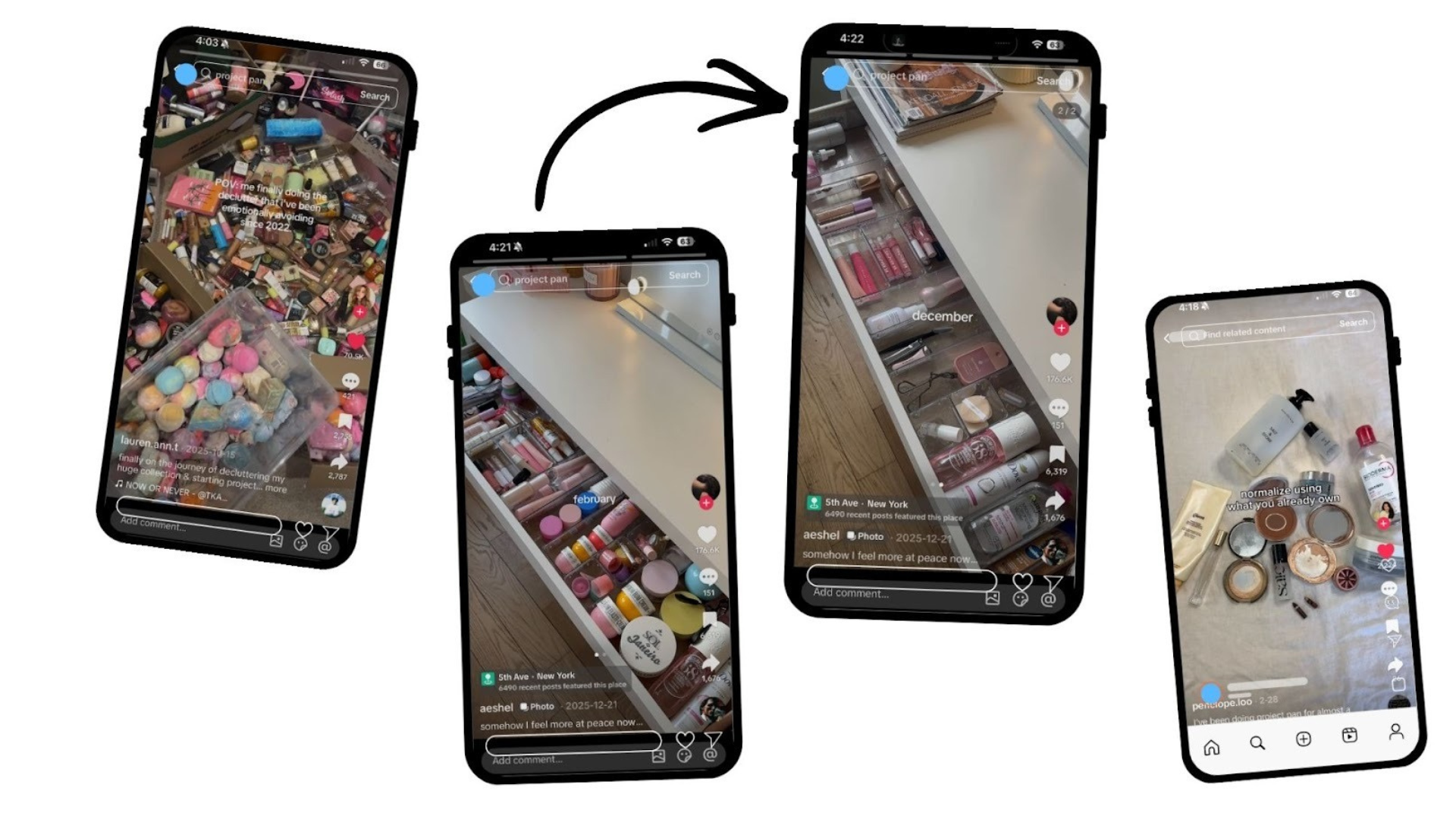
So many have decided to take part in Project pan. At the start of the year, people doing Project Pan take stock of all the beauty products they own, pulling everything out from drawers, cabinets, and organizers to see it all laid out in one place.
The goal is to slowly use up these products over time by “hitting pan,” finishing them completely, while avoiding adding new items unless they truly need them.
Influencers like Hannah Louise Poston and Natalie Pitei are leading this charge, proving that hitting pan is the new status symbol. Project Pan works because it replaces the dopamine hit of buying with the dopamine hit of finishing. This shift turns a mundane task, such as applying moisturizer, into a goal-oriented challenge.
By the time a consumer actually finishes a lipstick, there is often a realization that the product took six months to deplete. In a culture influenced by overconsumption and social media, this perspective encourages individuals to think twice before purchasing multiple items simply because they are on sale.
Unfollowing Overconsumption
If the last decade was about "Main Character Energy" and constant hauls, 2026 is shaping up to be the era of the Digital Ghost.
Society has spent so much time attempting to keep up with the "unseen Joneses" that a collective burnout has emerged, caused by the relentless cycle of overconsumption and social media.
Currently, a true status symbol is no longer the possession of a fifteenth Stanley Cup, but rather the fact that an individual was entirely unaware a new version had even launched.
This isn't just about saving money; it’s about attention autonomy. When a lifestyle is no longer treated like a content set, several shifts in perspective become apparent:x
- Quality > Quantity: Owning three perfect things beats owning thirty "okay" things.
- The "JOMO" (Joy of Missing Out): Not knowing the latest "core" is actually a sign that an individual is busy living a real life.
- Offline is Luxury: In an algorithmic world, being unreachable and uninfluenced is the most expensive thing one can own.
By shifting from a "more is more" mindset to a "less but better" philosophy, individuals aren't just saving their closets, they are saving their sanity.
🪽 Written by Camila Cancino
join 40k marketing girlies
private Marketing Girly LinkedIn Group
A private community where young women in marketing network, collaborate, and support each other.
the weekly edit
get marketing jobs in your inbox
Join the Sky Society Weekly Edit for marketing jobs delivered straight to your inbox.
We hate SPAM. We will never sell your information, for any reason.