5 Reasons Micro-influencers are Shaping the Marketing Beauty Industry
Apr 03, 2026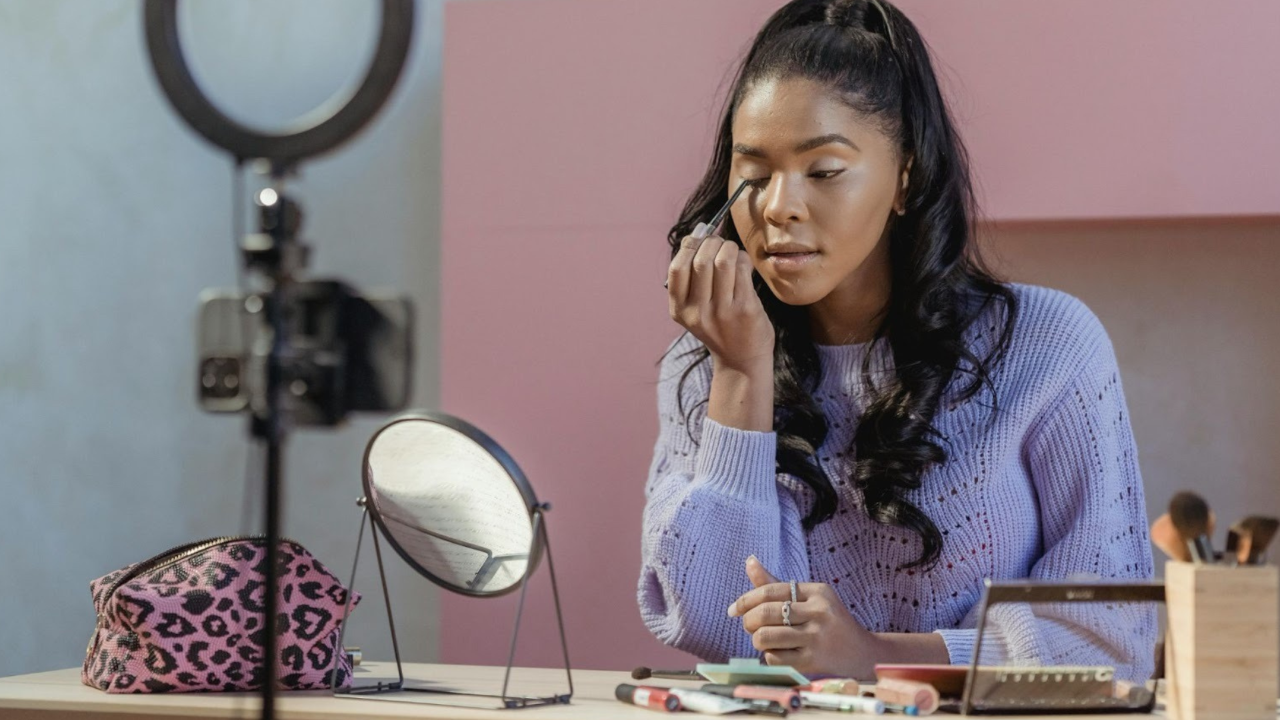
The beauty industry is going through a huge change, and micro influencers are leading the way.
For many years, beauty brands used celebrities and bigger influencers to promote products and drive sales.
However, today, consumers want real and honest connections with creators that feel more like trusted friends, rather than paid, scripted marketing campaigns.
Since micro-influencers have smaller audiences, they are able to connect in a direct way, which leads to more trust and reliability, especially with Gen Z and millennial consumers.
Micro-influencers in the marketing beauty industry are quickly becoming one of the most impactful voices in the beauty world. More brands are starting to pay attention and realize the impact of micro influencers, leading to a shift in the industry’s campaign strategies.
Here’s why:
Higher Engagement
If you were to reach out to your favorite celebrity or big influencer today, what are the chances you will get a response?
Unfortunately, probably pretty low.
They receive endless daily notifications from millions of followers, so it’s almost impossible for them to interact with everyone, leading to minimal in-depth relationships with their supporters.
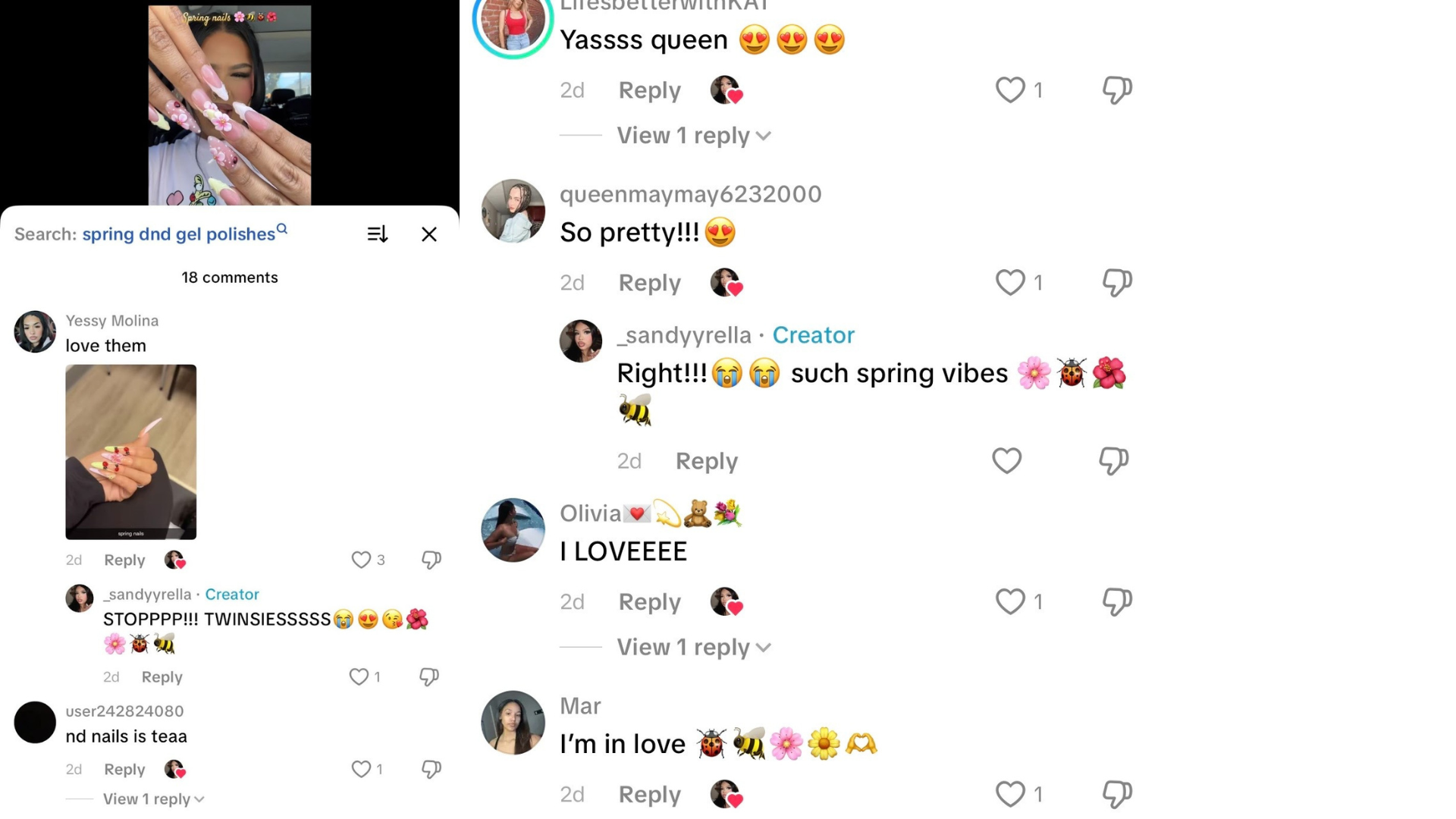
On the other hand, micro influencers have smaller communities where they are able to engage with their audience and have real connections and conversations. They reply to comments and answer their follower’s questions. This leads to stronger relationships with their audience because their audience feels seen and heard.
With these direct interactions, it boosts visibility within these social media platforms. Micro-influencers tend to have 3 to 4 times higher engagement rates compared to bigger influencers or celebrities.
For beauty brands, this means that working with micro influencers can lead to more meaningful attention. Instead of people scrolling past a celebrity ad, they stop to read, comment, and ask questions. This makes micro‑influencers very valuable partners.
Genuine Recommendations
Another reason micro influencers are shaping the marketing beauty industry is through genuine recommendations. As a matter of fact, 69% of consumers trust influencer recommendations over the brand itself or bigger influencers.
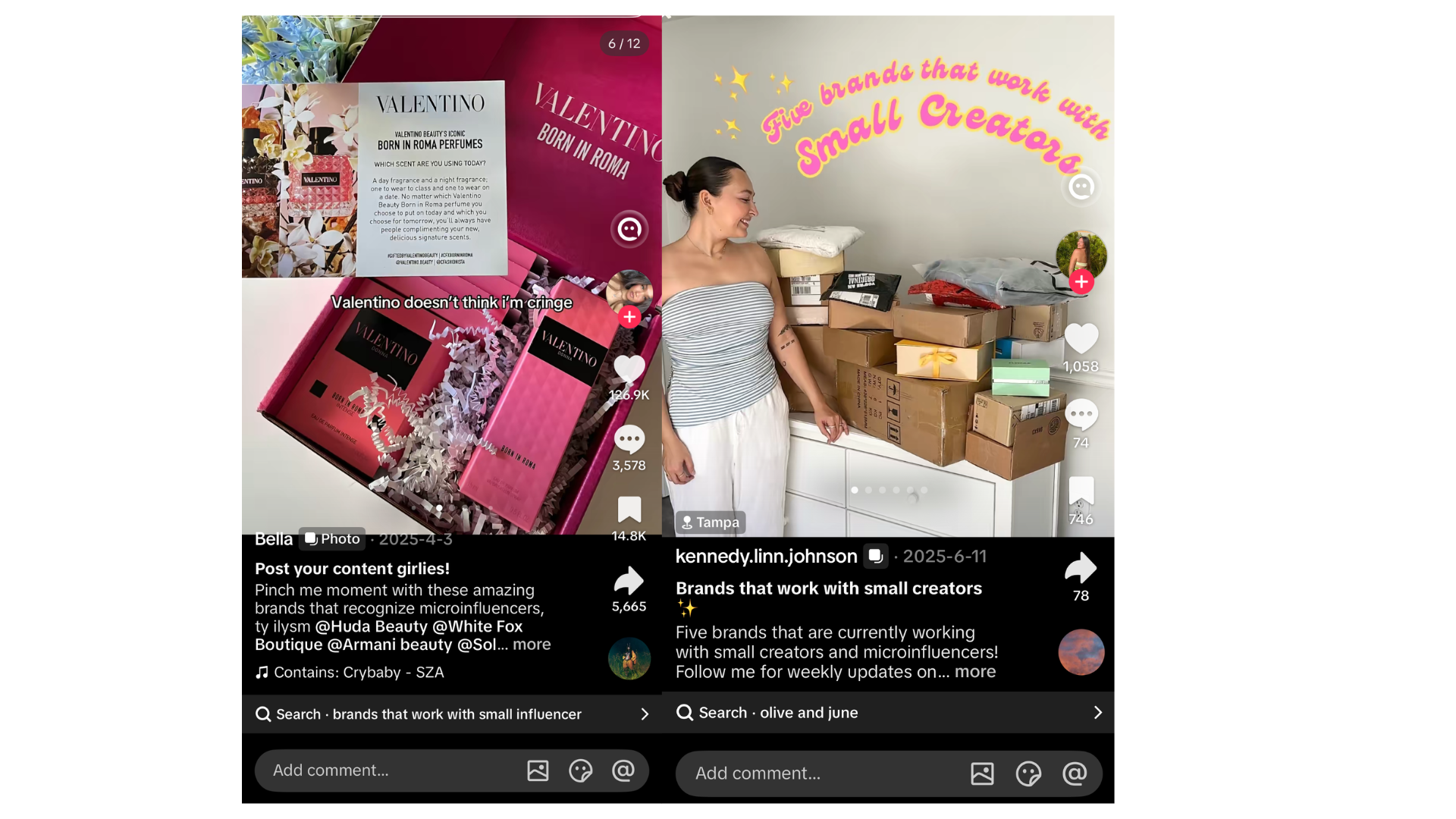
Micro influencers are more selective about what brands they want to collaborate with. They don’t want to promote a brand if it’s not something they believe in.
Because of this, their followers are more likely to buy certain products because they seem more genuine than a paid ad. It comes across as advice, rather than advertising, which helps boost conversion rates by 2-3x. They also focus on specific niches of the beauty market, which allows people to trust their recommendations more.
That trust, earned through micro influencers' engagement and selectivity on brand promotion, is unique and powerful.
More Inclusivity
Micro-influencers have also played a role in pushing the marketing beauty industry toward more inclusivity.
In the past, beauty ads have failed to include diversity; they used models or celebrities with perfect, clear skin, and the beauty world lacked shade variety, leaving out darker skin tones. With photoshop and airbrushing on beauty ads and celebrity pictures, it creates doubt about the product.
However, many of these micro influencers come from diverse backgrounds, representing a wide range of skin tones and identities, as well as different social classes. This allows the audience to see themselves within the content they are watching.
The beauty world becomes more accessible and therefore more engaging. A lot of micro influencers highlight specific communities, such as acne-prone makeup routines like Laura Estada. Other topics highlighted include sensitive skin- friendly products, affordable products, expensive dupes, and traditional makeup related to cultural celebrations and traditions.
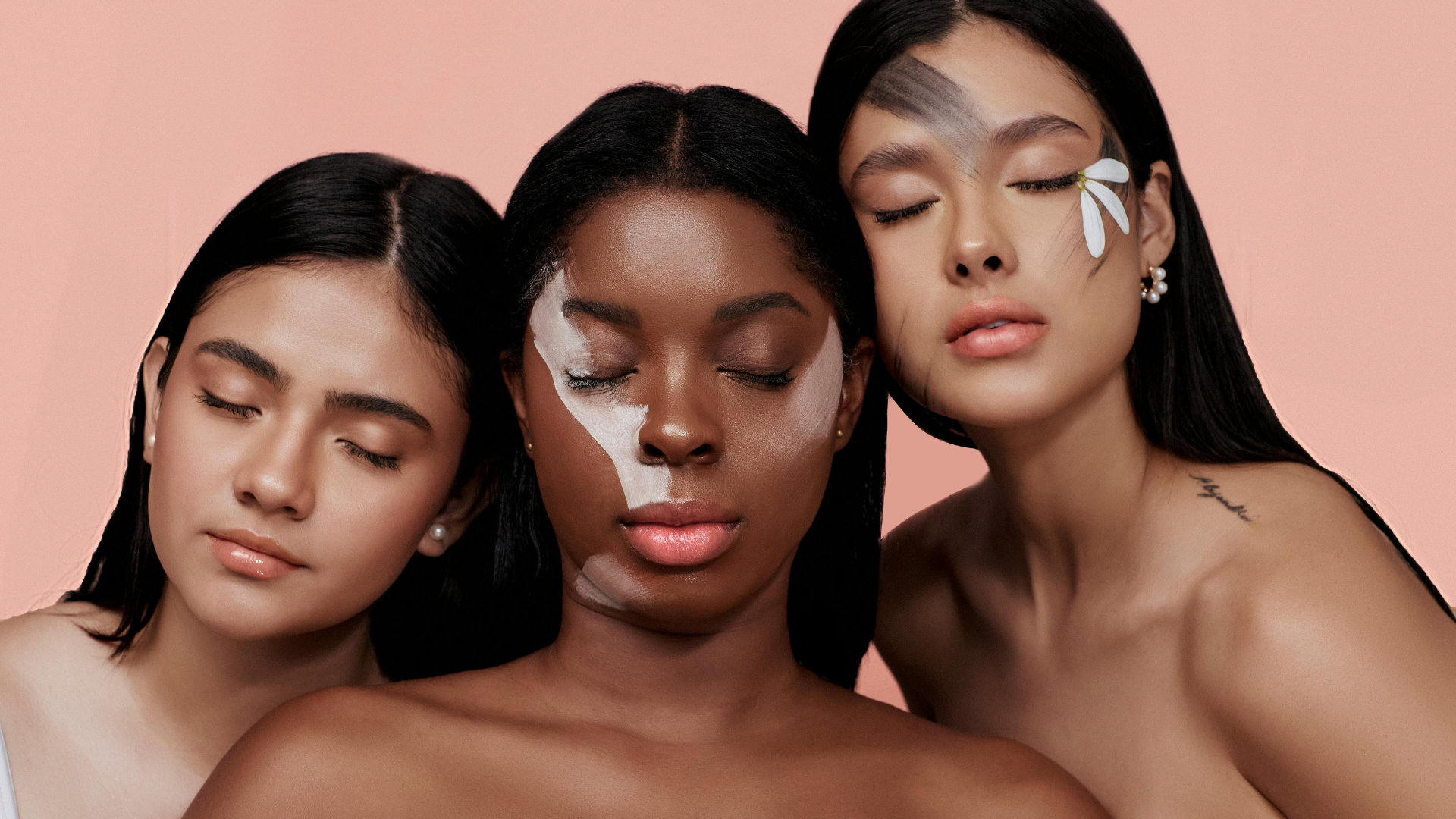
Micro-influencers are more likely to use makeup products that are affordable and accessible, and when their audience asks questions about them, micro-influencers can share their experience in a genuine way that creates more trust.
By showing real skin and real experiences, micro influencers are here to help redefine what beauty looks like.
They encourage and advocate for brands to offer more shade options and more product options. They are able to share their experience with their audience and brands, and work to continue to create positive change and increase inclusivity.
More importantly, when an audience finds a micro influencer that has experienced similar barriers to finding beauty products that work for them, and sees brands that are working to become more inclusive, it empowers the audience and beauty world community.
This shift is making the beauty world more welcoming for everyone.
Authentic Beauty Communities
In the marketing beauty industry, micro influencers build strong and supportive communities. The audience feels more connected to the creator and to each other through conversations taking place in the comments.
People are sharing tips and personal experiences, and micro influencers are more likely to be involved in these discussions.
This level of interaction is rare with larger influencer pages. Micro influencers are creating a space where everyone can learn from each other. These communities also focus on helping and uplifting each other, which makes the beauty industry feel more personal and real, less focused on perfection.
Brand Reach and Loyalty
Micro influencers play a major role in building brand loyalty in the marketing beauty industry. Since their followers trust them so much, the audience is more likely to continue using recommended products. Some campaigns show a 22% rise in brand loyalty compared to other marketing methods.
Their ability to keep genuine relationships and high engagement makes them highly effective in turning their audience into loyal customers.
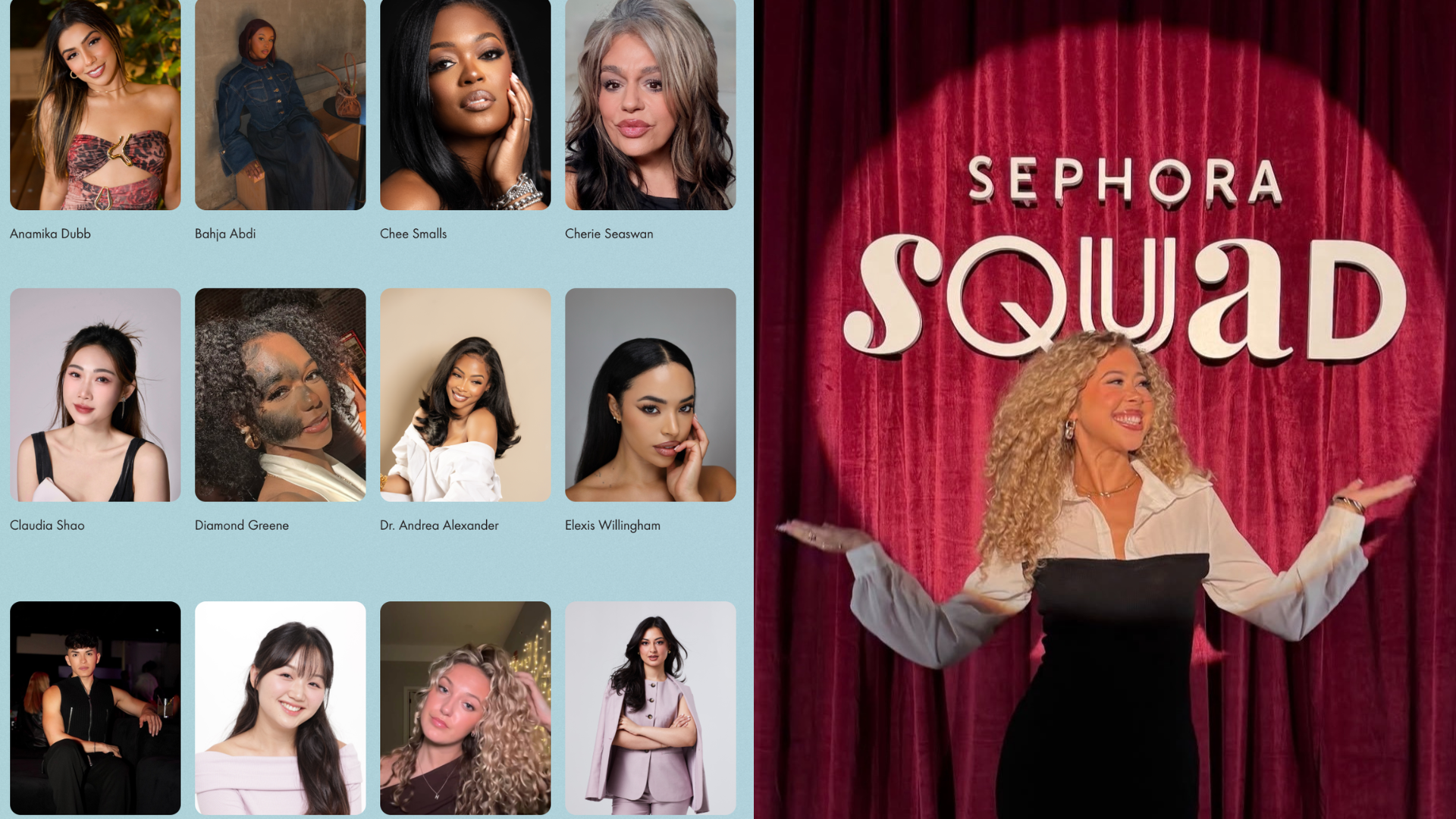
A good example is Sephora’s #SephoraSquad program. This marketing campaign allows everyday beauty lovers to become content creators who generate hundreds of product reviews and tutorials.
Through this marketing program, creators with followers ranging from 50,000 to 100,000 promote their brand through authentic content.
Final Thoughts
As social media continues to evolve, micro influencers will continue to shape the beauty industry in major ways.
With their ability to create authentic connections and engage with their communities, they represent diverse voices that strongly influence consumer behavior and shape modern marketing strategies. They influence conversations and create spaces for consumers to feel seen and valued.
This sense of connection builds trust, confidence, and loyalty that traditional advertising can’t match. For beauty brands looking to build meaningful relationships with consumers, micro-influencers aren’t just a trend; they are shaping the future of the beauty industry.
🪽 Written by Sofia Ojeda
join 40k marketing girlies
private Marketing Girly LinkedIn Group
A private community where young women in marketing network, collaborate, and support each other.
the weekly edit
get marketing jobs in your inbox
Join the Sky Society Weekly Edit for marketing jobs delivered straight to your inbox.
We hate SPAM. We will never sell your information, for any reason.